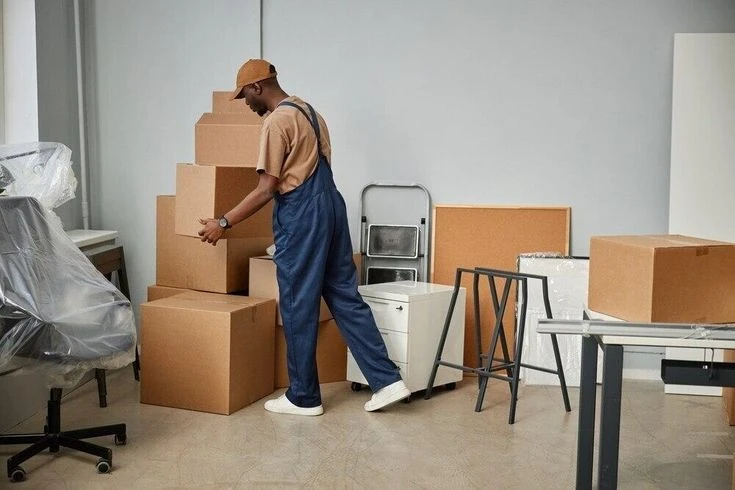

Moving furniture from one place to another is not as simple as loading items into a van and driving away. Every table, sofa, wardrobe, and cabinet requires careful handling to avoid scratches, dents, or structural damage. For this reason, professional movers follow a detailed process designed to protect furniture from the moment it leaves a property until it arrives safely at its destination. This is especially important when using a Removals Van London, where busy roads and tight access points demand extra care.
Understanding these steps helps customers feel more confident and better prepared for moving day.
Pre-Move Assessment Comes First
Before any lifting begins, movers usually carry out a quick assessment of the furniture and the property layout. This includes checking doorways, staircases, lifts, and tight corners. At the same time, fragile or high-value items are identified so they can receive extra protection.
In addition, measurements are taken for larger pieces such as wardrobes, beds, and dining tables. As a result, movers can decide whether items need partial disassembly. This early planning reduces delays and prevents unnecessary handling later.
Protective Materials Make a Big Difference
One of the most important ways movers protect furniture is through professional packing materials. Rather than relying on basic household coverings, trained teams use purpose-made supplies.
For example:
- Furniture blankets and padded covers protect surfaces from scratches and impact
- Stretch wrap keeps drawers and doors securely closed
- Bubble wrap adds cushioning for delicate edges
- Corner protectors shield sharp or fragile corners
- Mattress covers prevent dust and moisture exposure
Moreover, wooden furniture often receives additional padding, while glass surfaces are wrapped separately. By layering protection, movers reduce the risk of damage during lifting and transport, which is essential during Furniture Removals, where items are handled multiple times throughout the move.
Disassembly Reduces Risk
Large or awkward items are often safer to move when taken apart. Bed frames, wardrobes, tables, and shelving units are commonly disassembled to make them easier to carry and load.
Afterward, screws and small fittings are placed in labelled bags and kept together. This simple step prevents lost hardware and speeds up reassembly at the new location.
At the same time, detachable legs, shelves, or panels are wrapped individually. Consequently, each component remains protected instead of rubbing against other items in the van.
Proper Lifting Techniques Protect Structure
Correct lifting techniques protect both furniture and movers. Instead of dragging items across floors, movers use lifting straps, dollies, and trolleys. These tools reduce pressure on joints and frames while allowing heavy pieces to be moved steadily.
Furthermore, teams work together when handling bulky items. Coordinated movement prevents sudden drops or collisions with walls and door frames. In narrow spaces, furniture is carefully tilted and rotated rather than forced through openings.
Strategic Loading Inside the Van
Once furniture reaches the vehicle, placement becomes just as important as packing. Heavy items such as wardrobes and sofas are loaded first and positioned against the van walls. This creates a stable base.
After that, lighter furniture and boxed items are stacked around them. Soft items like mattresses and upholstered pieces often act as natural buffers between harder surfaces.
In addition, load bars and straps secure everything in place. These restraints stop furniture from shifting during braking or turning. Without proper securing, even well-wrapped items can slide and collide, leading to damage.
Special Care for Fragile Pieces
Certain furniture requires extra attention, especially glass tables, mirrors, antiques, and high-end finishes. These items are usually wrapped separately and clearly marked.
For glass components, movers often use cardboard sheets combined with bubble wrap. Mirrors and artwork may travel in dedicated picture cartons. Meanwhile, antique or delicate furniture is padded more heavily and positioned where movement is minimal.
As a result, sensitive pieces stay protected throughout the journey.
Weather Protection Matters Too
Transit protection is not only about bumps and scratches. The weather also plays a role. Professional movers use waterproof coverings to shield furniture from rain, damp conditions, or road dust.
Additionally, vans are enclosed and climate-aware, helping to prevent moisture buildup. This is especially important for wooden furniture, which can warp if exposed to humidity.
Careful Unloading and Placement
Protection does not stop once the van arrives. During unloading, movers reverse the loading process, bringing fragile items out first. Furniture is carried inside using the same lifting techniques and tools as before.
Afterward, items are placed in their designated rooms to avoid unnecessary moving around. If reassembly is required, it is completed carefully, using the labelled fittings prepared earlier.
This organised approach reduces handling and keeps furniture in good condition.
Why Professional Methods Matter
Every step, from assessment to unloading, plays a role in keeping furniture safe. While moving independently may seem tempting, professional methods dramatically reduce the chance of damage. With the right materials, equipment, and experience, movers turn a complex process into a well-coordinated operation.
For anyone planning a move, understanding these practices highlights the value of proper preparation and trained handling.
To conclude, professional movers protect furniture in transit through careful planning, high-quality packing materials, proper disassembly, safe lifting techniques, and secure van loading. Fragile items receive extra attention, while weather protection and organised unloading complete the process. Together, these steps help ensure furniture arrives in good condition and ready to be placed in its new home.





























Sign in to leave a comment.