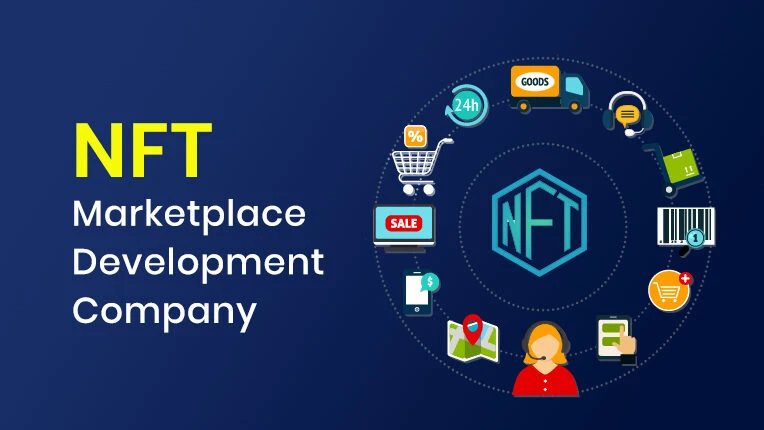

Non-Fungible Tokens (NFTs) have taken the digital world by storm, revolutionizing the concept of ownership and creating new avenues for creators to monetize their digital assets. As a result, the demand for NFT marketplaces has surged, with individuals and businesses looking to capitalize on this growing trend. However, before embarking on the development of an NFT marketplace, it is crucial to understand the costs involved and the various factors that influence them. In this article, we will delve into the key considerations and provide a comprehensive analysis of the cost of developing an NFT marketplace.
Functional Requirements
The cost of developing an NFT marketplace depends heavily on the features and functionalities you want to include. Basic features typically encompass user registration, wallet integration, NFT creation and minting, listing and browsing, bidding, buying, selling, and transaction management. The complexity and customization of these features play a significant role in determining the overall cost.
Blockchain Infrastructure
NFTs are typically built on blockchain platforms like Ethereum, Binance Smart Chain, or Flow. The choice of blockchain influences the development cost, as each platform has its own ecosystem, development tools, and associated costs. Ethereum, being the most popular blockchain for NFTs, generally involves higher development costs due to its scalability challenges and gas fees. Alternatively, Binance Smart Chain offers a more cost-effective option, while Flow is gaining popularity for its scalability and user-friendly experience.
Smart Contract Development
Smart contract development form the backbone of NFT marketplaces, facilitating the creation, ownership, and transfer of NFTs. The complexity of the smart contract logic and functionality impacts the development cost. Hiring experienced blockchain developers is crucial for secure and efficient smart contract development, ensuring the integrity and reliability of the NFT marketplace.
User Interface (UI) and User Experience (UX)
A visually appealing and user-friendly UI/UX design is vital for attracting and retaining users. The complexity of the design, the number of screens, and the level of customization required contribute to the overall cost. Additionally, integrating responsive design for mobile devices and ensuring cross-browser compatibility may add to the development expenses.
Security and Testing
Given the value associated with NFTs, security is of paramount importance. Robust security measures, including encryption, secure user authentication, and protection against hacking and fraud attempts, should be implemented. Extensive testing is necessary to identify and fix vulnerabilities and ensure a seamless user experience. Security audits by third-party firms may be required, adding to the overall cost.
Payment Integration
For seamless transactions, integrating payment gateways or cryptocurrency wallets is essential. Popular payment options like credit/debit cards, cryptocurrencies, or third-party platforms (e.g., PayPal, Stripe) can be integrated. The choice of payment gateways and the complexity of integration impact the development cost.
Scalability and Future Enhancements
Anticipating future growth and scalability is crucial while developing an NFT marketplace. The ability to handle increased user traffic, storage requirements, and transaction volumes may require additional infrastructure and development work. Incorporating the potential for future enhancements, such as integrating new blockchains or additional features, should also be considered in the cost estimation.
Team Composition and Expertise
The cost of development depends on the size and expertise of the development team. Hiring skilled blockchain developers, UI/UX designers, smart contract auditors, quality assurance testers, and project managers adds to the overall cost. Additionally, the location of the development team may impact the cost, with rates varying across different regions.
Conclusion
The cost of developing an NFT marketplace varies based on several factors, including functional requirements, blockchain infrastructure, smart contract development, UI and UX design, security and testing measures, payment integration, scalability considerations, and the expertise of the development team. It is challenging to provide an exact cost without specific project details, as each development endeavor is unique. However, to give you a general idea, the cost of developing an NFT marketplace can range from $50,000 to several hundred thousand dollars.
It's important to note that the costs mentioned above are estimates and can vary significantly based on the complexity and customization requirements of your project. Additional factors that can impact the cost include the geographical location of the development team, project timeline, and ongoing maintenance and support expenses.
To reduce costs and streamline development, some businesses choose to utilize existing NFT marketplace platforms or open-source solutions. These ready-made solutions often provide a basic set of features and can be customized to meet specific requirements, potentially reducing development costs and time.
In conclusion, developing an NFT marketplace involves various considerations, ranging from technical aspects to user experience and security. By carefully analyzing your project requirements, consulting with experienced blockchain developers, and budgeting accordingly, you can determine a more accurate estimate for the development cost of your NFT marketplace. It is advisable to conduct thorough research, gather multiple quotes, and collaborate with a reliable development team to ensure a successful and cost-effective NFT marketplace launch.













Sign in to leave a comment.