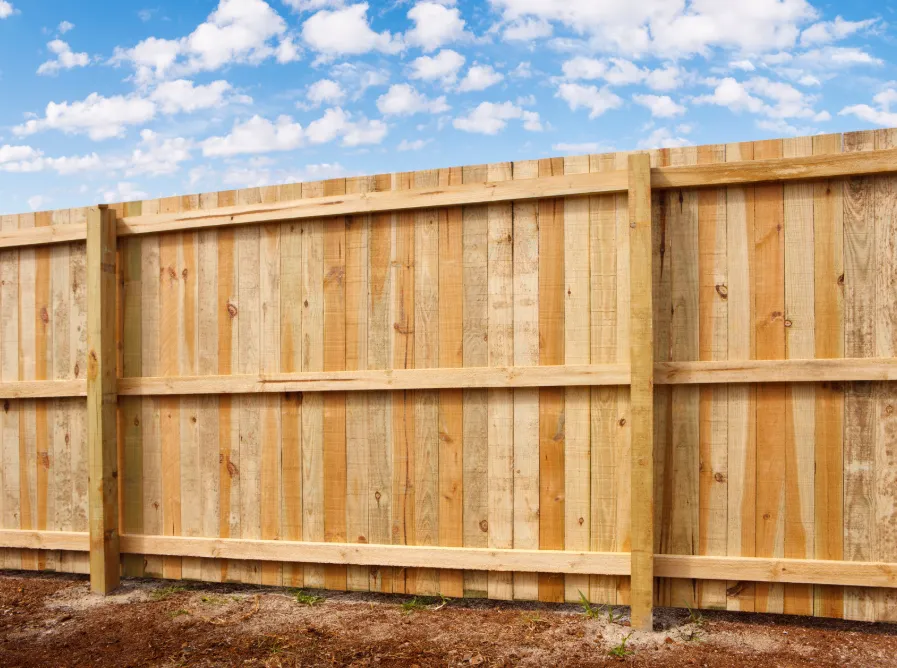

Assessing Your Fence Condition
Timber fencing can provide privacy, boundary definition and a natural appearance, but it needs regular attention to remain strong and attractive. The amount of maintenance required depends on the timber type, exposure to weather, fence age and the quality of the original installation.
A well maintained timber fence can continue looking neat for many years when simple care is carried out at suitable intervals. Features such as picket fencing may require particular attention because their exposed surfaces can experience regular contact with rain, sunlight and changing temperatures.
Keep Timber Surfaces Clean
Remove Dirt Regularly
Dust, soil, leaves and other debris can collect along timber boards and rails. If left for extended periods, this material can hold moisture against the surface and contribute to deterioration.
A gentle clean once or twice a year can help keep the fence in good condition. Use a soft brush to remove loose dirt before washing the timber with water and a suitable timber cleaning product. Avoid overly aggressive cleaning methods that may damage the surface or leave the timber rough.
Watch for Organic Growth
Fences located near gardens, lawns or shaded areas can sometimes develop mould, mildew or algae. These growths can make the surface appear discoloured and may become more noticeable in damp conditions.
Cleaning affected areas early makes the maintenance process easier. Trimming plants that remain in constant contact with the fence can also improve airflow and help the timber dry more effectively after rainfall.
Protect Against Weather
Apply Protective Coatings
Timber is naturally affected by exposure to sun and moisture. A suitable exterior timber stain, oil or protective coating can help reduce the impact of these conditions.
How often a coating needs to be renewed depends on the product used and the fence's exposure. A highly exposed fence may require more frequent treatment than one positioned in a sheltered area. Always follow the coating manufacturer's preparation and reapplication instructions.
Check for Fading
Sun exposure can gradually change the colour of timber. A previously rich finish may become lighter or appear weathered over time. This does not necessarily indicate structural damage, but it can signal that the protective finish needs attention.
Inspect the fence periodically and look for noticeable fading, peeling or surface dryness. Addressing these signs early can make restoration easier.
Inspect Posts And Panels
Examine Structural Points
Fence posts are particularly important because they support the entire structure. During routine checks, look for movement, leaning, cracking or signs that posts are no longer securely positioned.
Pay attention to areas close to the ground because they can remain damp for longer periods. Persistent moisture can contribute to timber deterioration, particularly where drainage is poor.
Check Boards And Rails
Walk along the fence and inspect individual boards, rails and connecting points. Look for cracks, splitting, loose sections or damaged fixings.
Small issues can often be addressed before they become more extensive. Replacing a damaged board or tightening a loose connection may help maintain the overall condition of the fence.
Manage Garden Growth
Trim Nearby Plants
Trees, shrubs and climbing plants can place additional pressure on a timber fence. Branches may rub against boards during windy conditions, while dense vegetation can restrict airflow.
Keeping plants trimmed back creates space around the fence and makes inspections easier. It also helps prevent leaves and other organic material from accumulating against the timber.
Maintain Ground Clearance
Soil, mulch and garden waste should not be allowed to build up against timber boards. Constant contact with damp ground can increase moisture exposure and contribute to premature deterioration.
Maintaining a sensible gap between landscaping materials and the fence can make cleaning and inspection much easier.
Repair Small Problems Early
Replace Damaged Sections
Timber fences do not always deteriorate evenly. One or two boards may become damaged while the surrounding sections remain in good condition. Prompt replacement can prevent a minor defect from affecting nearby components.
When replacing timber, choosing a suitable material and preparing it correctly can help the new section blend with the existing fence.
Secure Loose Components
Loose nails, screws, hinges and other fittings should be checked during routine maintenance. Movement can place unnecessary stress on timber, particularly when the fence is exposed to strong winds.
Secure fittings help keep the fence stable and reduce avoidable movement between individual components.
Create A Maintenance Schedule
Seasonal Checks Matter
A practical maintenance routine does not need to be complicated. A visual inspection every few months can help identify changes before they become difficult to manage.
Spring and autumn can be useful times for more detailed checks. Look for moisture damage, surface changes, loose fittings, vegetation growth and structural movement.
Consider Fence Exposure
Not every timber fence needs the same maintenance frequency. A fence exposed to intense sunlight, heavy rain or strong winds may need more frequent inspections than one protected by surrounding buildings or landscaping.
Older fencing may also require closer monitoring as timber naturally becomes more vulnerable to weathering over time.
FAQs
How often should a timber fence be maintained?
A visual inspection every few months is useful, while cleaning and protective treatment can generally be carried out according to the condition of the timber and the product manufacturer's recommendations.
Can I pressure wash a timber fence?
Pressure washing can damage timber if excessive pressure is used. A gentler cleaning method with a soft brush and suitable cleaning solution is usually more appropriate.
What are the signs that a timber fence needs repair?
Common signs include cracked or split boards, leaning posts, loose fittings, soft or deteriorated timber and sections that have become unstable.
Does picket fencing require regular maintenance?
Yes. Like other timber fencing, picket fencing benefits from regular cleaning, inspections and suitable protective treatment. Its maintenance needs can vary depending on timber type and exposure to weather.





















Sign in to leave a comment.