

The Importance of Regular Fence Maintenance
A fence is more than just a boundary; it’s a vital part of your property’s security, privacy, and overall aesthetic. Proper upkeep ensures it lasts for years, maintains its structural integrity, and continues to enhance your yard's appearance. Whether you have a timber, metal, or Colorbond fence, regular maintenance is key. Homeowners with timber fence panels often find that consistent care prevents rotting, warping, and pest infestations, which can be costly to repair.
Maintaining your fence is not only about appearance—it’s about safety. Loose or damaged panels, leaning posts, or rusting metal can create hazards, especially in family homes with children or pets.

Seasonal Maintenance Tips for Your Fence
Each season brings unique challenges for fencing. Understanding what your fence needs during different times of the year will help extend its life.
Summer Care
During the hot months, timber fences can dry out, crack, or fade under harsh UV exposure. To protect timber fence panels, it’s essential to apply a suitable protective stain or sealant. This keeps the wood hydrated and guards against sun damage.
- Inspect the fence for cracks or splits and repair them promptly.
- Trim back overhanging tree branches to reduce direct sun and falling debris.
- Ensure irrigation systems aren’t over-spraying water onto timber, which can accelerate wear.
Autumn and Winter Maintenance
Rain and cooler temperatures in autumn and winter can lead to moisture-related issues, such as mould, rot, and rust, in metal fixtures.
- Check for loose or rotting timber fence panels and replace them if necessary.
- Clean your fence to remove leaves and dirt that trap moisture.
- For metal components, apply rust-resistant coatings to prevent corrosion.
- Ensure drainage around the fence line is adequate to avoid water pooling at the base.
Spring Renewal
Spring is an ideal time for a more thorough inspection and touch-ups before summer heat arrives.
- Re-stain or repaint timber panels to refresh their protective coating.
- Tighten loose screws, nails, or bolts.
- Inspect gates and hinges for smooth operation and lubricate if needed.
- Check fence posts for signs of movement or instability after winter storms.
Cleaning and Treating Your Fence
Regular cleaning keeps your fence looking fresh and extends its life. Dirt, grime, and plant growth can accelerate deterioration if left unchecked.
- Wash timber or Colorbond panels with a mild detergent and water at least twice a year.
- Remove moss, algae, or mildew with a soft brush or a pressure washer on a gentle setting.
- Apply a protective wood treatment to timber fence panels annually to maintain moisture resistance and prevent cracking.
Landscaping Considerations
Your garden and landscaping choices can significantly impact fence longevity.
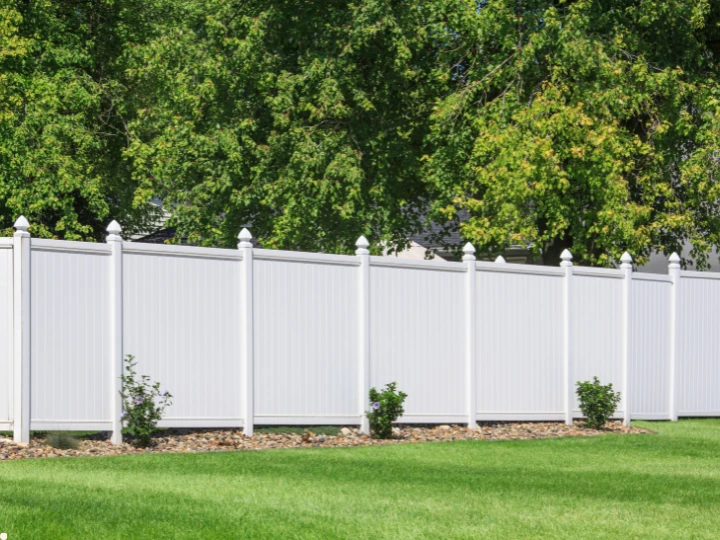
- Keep plants and shrubs trimmed away from your fence. Excess foliage can trap moisture against timber fence panels.
- Avoid planting large trees directly next to fence lines, as roots can destabilise posts over time.
- Mulch near the fence base to regulate moisture, but avoid piling mulch directly against the timber.
Quick Fixes for Common Issues
Even with regular maintenance, fences can develop minor issues. Addressing them promptly prevents small problems from becoming major repairs.
- Warped Panels: Replace or secure warped panels to restore appearance and stability.
- Loose Posts: Reinforce posts with concrete or replace them if they are rotten.
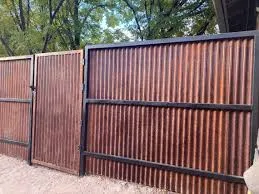
- Rust on Metal Fittings: Remove rust with a wire brush, then apply a rust-proof paint or coating.
- Gate Problems: Adjust hinges, tighten screws, and lubricate moving parts to ensure gates open smoothly.
Enhancing Fence Longevity with Protective Measures
Preventative measures are often the easiest way to maintain your fence year-round.
- Apply weatherproof sealants to timber fence panels to reduce water absorption and sun damage.
- Use anti-termite treatments for timber to prevent pest infestations.
- Consider installing metal or vinyl cappings on timber fences to reduce moisture exposure and increase durability.
- Regularly inspect your fence line for encroaching vegetation or soil erosion.
Frequently Asked Questions
How often should I treat timber fence panels?
Timber fence panels should be treated with a protective stain or sealant at least once a year, ideally in spring, to maintain moisture resistance and UV protection.
Can I use a pressure washer on my timber fence?
Yes, but use a low-pressure setting to avoid damaging the wood fibres. Always test a small area first.
How do I prevent rot in my fence posts?
Ensure proper drainage around the posts, apply wood preservative, and avoid direct contact with soil by using post sleeves or concrete footings.
What is the best way to clean algae or mould from timber fences?
Mix water with a mild detergent or a specialised timber cleaner, scrub gently with a soft brush, and rinse thoroughly. Avoid harsh chemicals that may damage the wood.
Should I trim plants near my fence?
Yes, trimming plants and shrubs keeps moisture from accumulating against your fence and prevents damage from branches or roots.



























Sign in to leave a comment.