
In Australian homes, outdoor areas are more than decorative spaces. They are places for weekend barbecues, children’s games, quiet mornings with coffee, and evening gatherings with friends. Creating a secure, comfortable boundary around these spaces is essential, and timber fence panels remain a popular choice for balancing function and style.
Why Timber Still Matters
Despite the rise of modern fencing materials, timber fence panels remain widely used across Australia. Timber offers a natural warmth that manufactured materials often struggle to replicate. Its grain patterns, subtle colour variations, and organic texture allow it to blend seamlessly with gardens, lawns, and native plants.
Unlike stark or industrial finishes, timber creates a softer visual transition between a home and its surrounding landscape. This is particularly important in suburban settings, where fences are a prominent part of the streetscape. Timber fence panels can complement both traditional weatherboard houses and contemporary builds without appearing out of place.
Privacy and Practical Function
One of the key reasons homeowners choose timber fence panels is privacy. In growing suburbs where houses are built closer together, a solid boundary becomes increasingly important. Properly installed panels limit gaps and reduce direct sightlines between properties, allowing families to enjoy their outdoor areas with confidence.
In addition to privacy, timber fencing establishes clear property lines. A defined boundary reduces misunderstandings between neighbours and provides structure to a yard's layout. For households with pets or young children, timber fence panels create a contained and secure environment for everyday activities.
They can also offer mild protection against wind and dust, particularly when designed as solid panels. While not completely soundproof, they may help reduce background noise from nearby streets or neighbouring properties.
Adaptability in Design
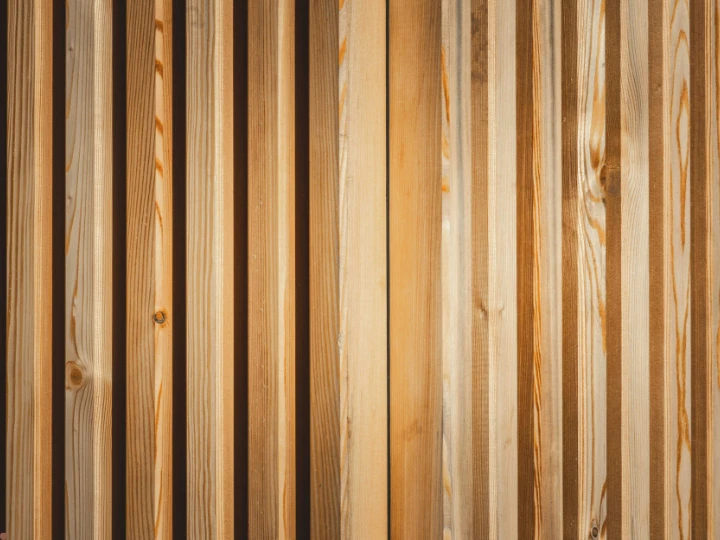
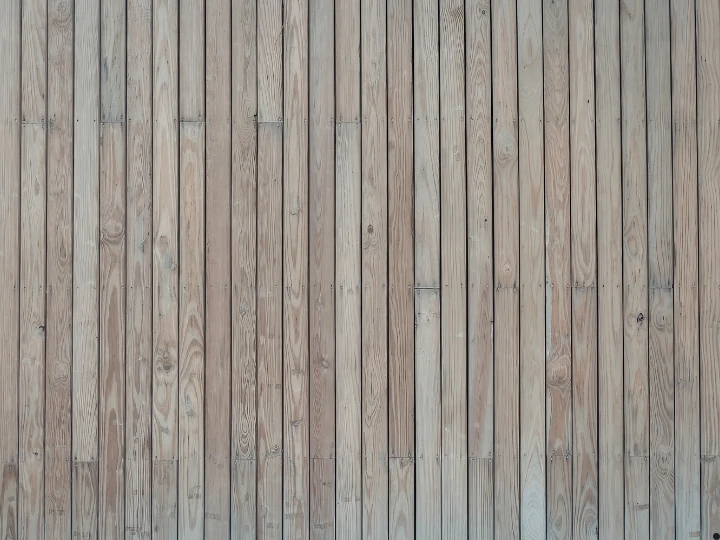
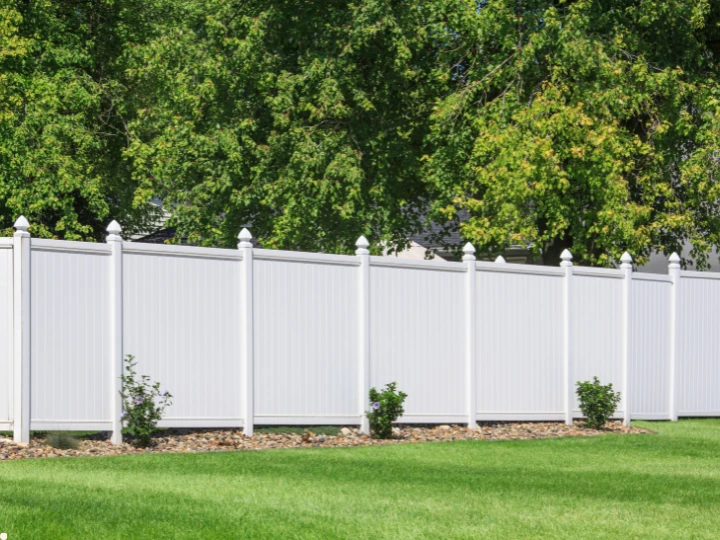
One of the strongest advantages of timber fence panels is their versatility. They are available in various heights, widths, and configurations, allowing homeowners to select a style that suits their specific needs. Vertical board designs provide a traditional look, while horizontal slat panels can create a more modern appearance.
Timber is also highly adaptable in terms of finish. It can be stained to enhance its natural grain or painted in colours that coordinate with the home’s exterior. Over time, if tastes change or renovations occur, the panels can be refinished rather than replaced entirely. This flexibility makes timber a practical long-term option.
Decorative elements such as lattice tops or capping rails can further personalise the fence without compromising its structural integrity. These subtle design additions can enhance street appeal while maintaining privacy.
Durability in Australian Conditions
Australia’s climate varies significantly, from humid coastal regions to dry inland areas. Timber fence panels are commonly treated to withstand moisture, insects, and decay. When properly maintained, they can endure years of exposure to sun and rain.
Maintenance typically involves applying sealant, stain, or paint to protect against UV damage and water penetration. Regular inspections allow homeowners to identify loose boards or early signs of wear. One practical benefit of panel fencing is the ability to replace individual sections if needed, rather than dismantling the entire fence.
Environmental Considerations
Sustainability continues to influence home improvement choices. Timber sourced from responsibly managed plantations is a renewable resource. Compared to heavily processed materials, timber fence panels may require less energy during production.
At the end of their lifespan, timber components can often be reused or allowed to decompose naturally. This aligns with environmentally conscious building practices and supports efforts to reduce long-term waste.
A Timeless Boundary Choice
Trends in construction and landscaping may change, yet timber fence panels remain a staple in Australian backyards. Their natural appearance, adaptable design, and reliable performance make them a steady, dependable option. By combining practicality with visual warmth, timber fencing remains a familiar and valued feature of residential life across the country.























Sign in to leave a comment.