
Home improvement projects often focus on aesthetics first. Kitchens get upgraded, bathrooms are modernized, and landscaping receives careful attention. Yet many homeowners overlook one of the most important factors affecting comfort and long-term property value: energy efficiency.
As utility costs continue to fluctuate and homeowners become more conscious of indoor comfort, energy performance is becoming a bigger part of renovation planning. Before investing thousands of dollars into cosmetic upgrades, many property owners are discovering the value of understanding how their homes actually perform day to day.
The Hidden Costs of Energy Inefficiency
A home can look beautiful on the surface while quietly wasting energy behind the scenes. Drafty windows, insufficient insulation, outdated HVAC systems, and unnoticed air leaks all contribute to higher monthly utility bills.
In many cases, homeowners only notice these problems when symptoms become impossible to ignore, such as:
- Rooms that are consistently hotter or colder than others
- HVAC systems running constantly
- Excess indoor humidity
- Rising heating and cooling costs
- Poor indoor air quality
- Uncomfortable drafts during seasonal weather changes
These issues are especially common in older homes, but even newer properties can experience inefficiencies due to construction shortcuts or aging systems.
The challenge is that many energy-related problems are not visible without proper evaluation. A homeowner may replace flooring or repaint walls without realizing that insulation gaps or duct leaks are causing significant energy loss.
Why Energy Performance Matters During Renovations
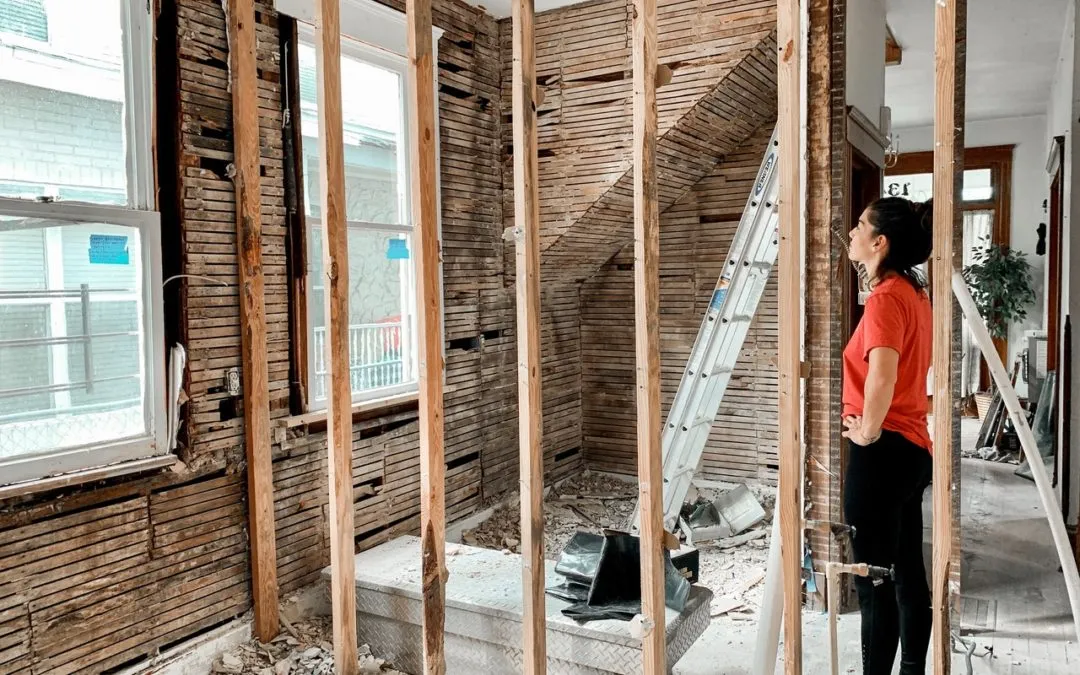
Renovations create an ideal opportunity to improve a home's overall efficiency. When walls, attics, or crawlspaces become accessible during remodeling work, homeowners can address underlying performance issues that would otherwise remain hidden.
For example, a kitchen remodel may expose outdated insulation behind cabinets or reveal ventilation concerns that affect comfort throughout the home. Addressing these problems during construction is often more cost-effective than revisiting them later.
Energy-conscious renovations can provide several long-term benefits:
Lower Utility Bills
Efficient homes require less energy to maintain comfortable indoor temperatures. Small improvements in insulation, air sealing, and HVAC performance can create noticeable monthly savings over time.
Better Indoor Comfort
Temperature inconsistencies are one of the most frustrating issues homeowners face. Proper insulation and airflow improvements help maintain more stable indoor conditions year-round.
Increased Property Appeal
Homebuyers are increasingly interested in homes with lower operating costs and improved energy performance. Features like upgraded insulation and efficient heating systems can strengthen resale value.
Reduced Equipment Strain
Heating and cooling systems operate more effectively when the home itself retains conditioned air efficiently. This can reduce wear on expensive HVAC equipment and extend its lifespan.
Understanding Where Energy Loss Happens
Most homes lose energy through a combination of small issues rather than one major flaw. Identifying these weak points can help homeowners prioritize upgrades more effectively.
Some of the most common problem areas include:
Attic Insulation
Attics are one of the largest sources of heat gain and loss in residential properties. Inadequate insulation allows conditioned air to escape during winter while permitting excessive heat buildup during summer.
Air Leaks Around Doors and Windows
Even small gaps can allow outdoor air to infiltrate the home. Over time, these leaks increase heating and cooling demands significantly.
Ductwork Problems
Leaky or poorly insulated duct systems can waste conditioned air before it ever reaches living spaces. This often leads to uneven temperatures throughout the home.
Aging HVAC Systems
Older heating and cooling systems may struggle to operate efficiently, especially if they have not been properly maintained.
Crawlspaces and Basements
Moisture and insulation problems in lower areas of the home can affect indoor comfort and air quality throughout the property.
Because these issues interact with one another, many homeowners benefit from a comprehensive evaluation rather than guessing which upgrade to prioritize first.
The Growing Demand for Professional Energy Evaluations
As awareness around efficiency grows, more homeowners are seeking professional guidance before beginning renovation projects. A detailed energy evaluation provides a clearer picture of how a home performs and where improvements will have the greatest impact.
Many property owners researching home energy assessments in Olathe KS are looking for ways to make smarter renovation decisions while improving long-term comfort and efficiency. Understanding existing performance issues before construction begins can help avoid unnecessary expenses later.
Professional assessments often include diagnostic tools that reveal issues invisible to the naked eye, such as hidden air leakage, insulation deficiencies, and airflow imbalances.
This information allows homeowners to prioritize improvements strategically instead of relying on assumptions.
Energy Efficiency Is Becoming Part of Modern Homeownership
The conversation around homeownership has evolved significantly over the last decade. Buyers and homeowners alike are increasingly focused on long-term operating costs, sustainability, and indoor comfort.
While curb appeal still matters, practical performance has become just as important. Many homeowners now view efficiency upgrades as investments rather than optional improvements.
This shift is influencing several trends:
- Builders incorporating higher-efficiency materials into new construction
- Homeowners upgrading insulation during remodels
- Increased demand for smart thermostats and zoning systems
- Greater interest in indoor air quality solutions
- More attention to seasonal energy usage patterns
These changes reflect a broader understanding that comfort and efficiency are closely connected.
Small Improvements Can Deliver Meaningful Results
One misconception about energy upgrades is that they require massive investments. In reality, many homes benefit from relatively modest improvements when targeted strategically.
Examples may include:
- Sealing attic air leaks
- Adding insulation in key areas
- Replacing damaged weatherstripping
- Balancing duct airflow
- Installing programmable thermostats
- Improving ventilation in moisture-prone spaces
When combined, these changes can noticeably improve comfort while reducing overall energy waste.
The key is identifying which improvements will produce the greatest return for a specific property.
Planning Ahead Creates Better Outcomes
Homeowners often regret skipping efficiency considerations during major renovations because correcting overlooked issues later can become more disruptive and expensive.
For example, replacing drywall after discovering insulation deficiencies months after a remodel adds unnecessary labor and cost. Similarly, installing expensive finishes without resolving hidden moisture or airflow issues can lead to future maintenance problems.
A proactive approach allows homeowners to coordinate upgrades more effectively and avoid repeating work.
Even homeowners not planning immediate renovations can benefit from understanding how their property performs. Knowing where energy loss occurs provides a roadmap for future improvements and budgeting decisions.
Conclusion
Energy efficiency is no longer viewed as a niche concern reserved for environmentally focused homeowners. It has become a practical part of maintaining comfort, controlling long-term costs, and protecting property value.
As renovation costs continue to rise, homeowners are becoming more intentional about making improvements that provide lasting benefits beyond appearance alone. Understanding how a home uses — and loses — energy is often the first step toward smarter upgrades and better overall performance.
Whether planning a renovation or simply looking to improve indoor comfort, evaluating energy efficiency can help homeowners make more informed decisions that benefit both their living experience and their long-term investment.
























Sign in to leave a comment.