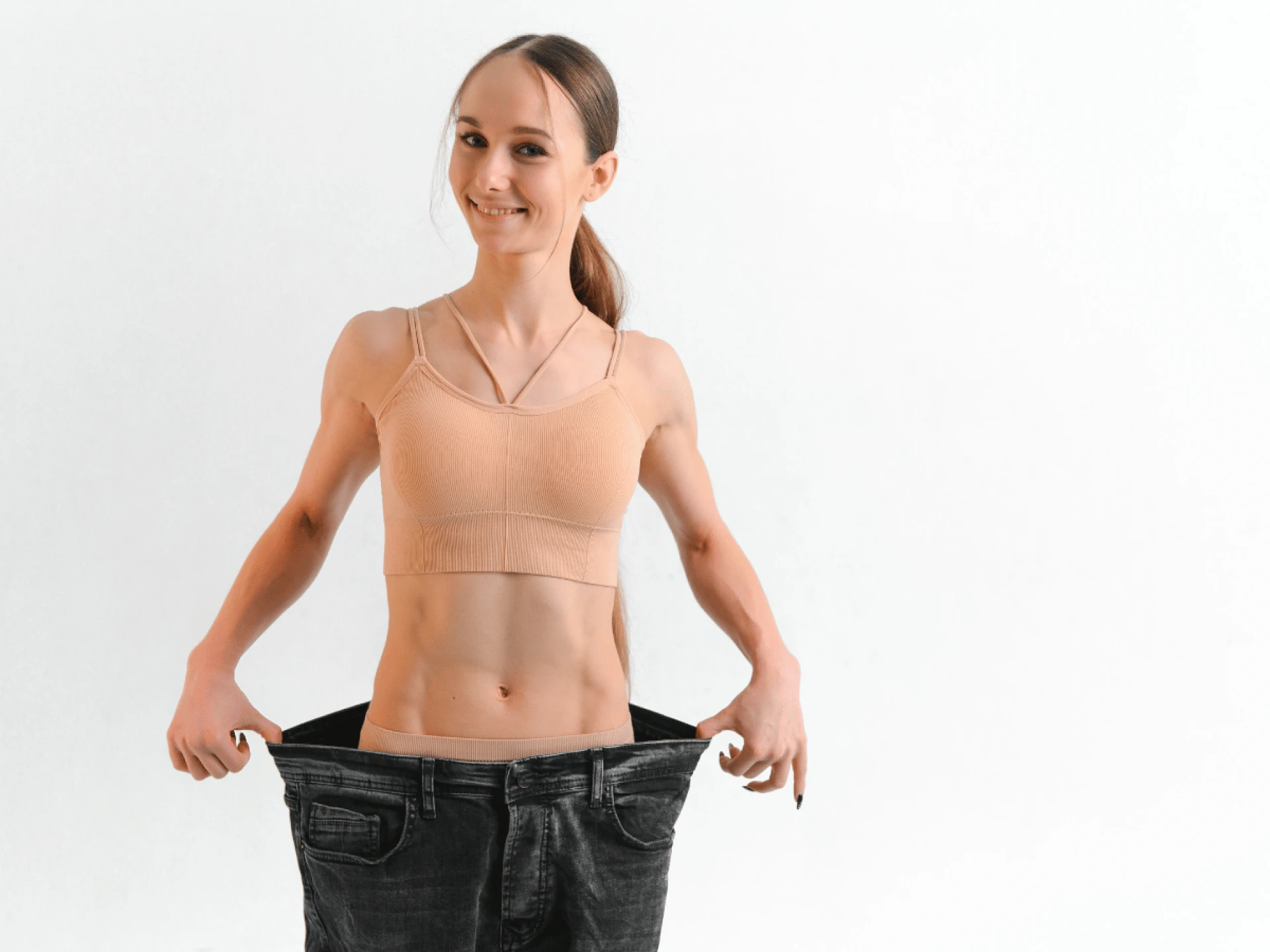
It is one of the most common and hopeful questions we hear during a consultation: "How much weight will liposuction remove?"
Patients often come in with a specific number in mind. They’ve been struggling to lose those last 5, 8, or even 10 kilograms (22+ pounds) through diet and exercise, and they see liposuction as the final, definitive step to reach that goal weight.
It is our responsibility as surgeons to provide a clear, honest, and medically accurate answer from the very beginning. So, let’s be direct:
Liposuction is not a weight-loss procedure, and it will not remove a significant amount of weight.
This is, without a doubt, the most profound and important misconception about this procedure. The change on your weighing scale will be minimal. A patient who has a dramatic, life-changing result from abdominal liposuction may only see a drop of 1-3 kg (2-7 lbs) on the scale.
The true purpose of liposuction is not to change your weight; it is to change your shape. It is a body contouring procedure, not a weight-loss solution.
This comprehensive guide will explore the science behind why this is the case, explain what liposuction is truly designed for, what results you can realistically expect, and what the critical safety limits are.
Chapter 1: The Most Important Distinction — Weight Loss vs. Body Contouring
Before we can discuss weight at all, we must redefine the goal. In the world of aesthetic surgery, "weight loss" and "body contouring" are two completely different concepts, served by entirely different procedures.
- Weight Loss Procedures (e.g., Bariatric Surgery): These are medical procedures, like a gastric sleeve or gastric bypass, designed for individuals who are clinically obese. They fundamentally change the digestive system to help a person lose a massive amount of weight (often 30-50 kg or more) to improve their overall health.
- Body Contouring Procedures (e.g., Liposuction): This is an aesthetic procedure designed for individuals who are already at or near their ideal, stable body weight but who are frustrated by localized, stubborn pockets of fat.
Think of it this way: a sculptor does not use a sledgehammer to create a masterpiece; they use a fine chisel.
Diet and exercise are your sledgehammers—they are the tools for overall weight reduction. Liposuction is the fine chisel. It is the tool a surgeon uses to sculpt and refine the final shape that your genetics may be stubbornly hiding, even after all your hard work.
Who is the Ideal Candidate for Liposuction?
This distinction brings us to the ideal liposuction candidate. A good candidate is not someone looking to lose 10 kg. A good candidate is someone who:
- Is at a stable, healthy body weight (ideally with a BMI under 30).
- Is frustrated by specific, localized fat deposits that are resistant to diet and exercise (e.g., "love handles," "saddlebags," a lower-belly "pooch").
- Has good, firm skin elasticity (so the skin can "snap back" over the new contour).
- Has realistic expectations and understands the goal is an improvement in shape, not a drop on the scale.
Chapter 2: The Science of Fat — Why Volume Does Not Equal Weight
The second reason a 10 kg loss is impossible is simple physics. Human fat tissue (adipose tissue) is not very dense. It is bulky and takes up a lot of space, but it is relatively light.
The classic analogy is feathers versus steel. A pound of feathers and a pound of steel both weigh one pound, but the feathers take up dramatically more space.
- Muscle is like steel: It is dense and heavy.
- Fat is like feathers: It is light and voluminous.
When a surgeon performs liposuction, they are removing a large volume of fat. This is why the visual change can be so profound—your waistline can shrink by inches, and your profile can be flattened. However, if you were to weigh the fat that was removed, it would be surprisingly light.
A litre of water weighs exactly 1 kilogram (2.2 lbs). A litre of human fat, however, weighs less—only about 0.9 kg. Furthermore, the material removed during surgery (called the aspirate) isn't pure fat; it also includes tumescent fluid, blood, and other tissues.
So, even in a very large liposuction case, the actual weight of the fat removed is modest. The visual result will always be far more impressive than the number on the scale.
Chapter 3: The Critical Safety Limits of Liposuction
This is the most important medical reason why liposuction cannot be used for major weight loss. Your safety is the absolute, non-negotiable priority. In aesthetic surgery, there are established, strict safety limits for how much fat can be removed in a single outpatient procedure.
In the United States, the generally accepted safety limit is 5,000 cc, or 5 litres, of total aspirate.
Removing 10 kg of fat would require a surgeon to aspirate more than 11 litres of tissue. This is more than double the accepted safety limit and would be considered medically reckless.
Why does this 5-litre limit exist?
Removing such a large volume of tissue and fluid from the body in a short period of time can cause severe, life-threatening complications.
- Massive Fluid Shifts & Shock: Your fat tissue is highly vascularized and holds a significant amount of your body's fluid. Removing too much, too quickly, can cause a dramatic drop in blood pressure and send the body into hypovolemic shock. This is a medical emergency.
- Anesthesia (Lidocaine) Toxicity: During tumescent liposuction, a large volume of fluid containing a local anesthetic (lidocaine) is injected into the fat. There is a maximum safe dose of lidocaine that a person can have in their system. A procedure that removes more than 5 litres drastically increases the risk of the patient absorbing a toxic dose, which can lead to severe neurological problems or cardiac arrest.
- Increased Risk of Blood Clots (DVT/PE): The longer the surgery, the higher the risk of complications. Large-volume liposuction is a very long procedure. This significantly increases the risk of deep vein thrombosis (a blood clot in the leg) which can travel to the lungs and cause a fatal pulmonary embolism.
This is why a consultation with a board-certified Liposuction Surgeon in Santa Barbara or Beverly Hills will always begin with a discussion of what is safe and realistic. An ethical surgeon will refuse any request that compromises your health, and a 10 kg fat removal is a prime example.
Chapter 4: What Results Can I Really Expect?
Now that we've established what liposuction won't do, let's focus on the incredible things it will do. The goal of the procedure is to create a more harmonious, balanced, and athletic body contour.
You will lose inches, not pounds.
The real results of liposuction are measured with a tape measure and a camera, not a scale. A successful procedure will give you:
- A New Shape: The stubborn bulge that has bothered you for years will be gone.
- Improved Proportions: Your waist-to-hip ratio can be improved, or your thighs can be brought into better proportion with your lower legs.
- Clothes That Fit Better: This is often the most rewarding result. Patients are thrilled that they can finally wear a pair of jeans or a fitted shirt without worrying about a "muffin top" or "love handles."
- A Boost in Confidence: Seeing a flatter, more defined contour in the mirror can be a massive motivator and a huge boost to your self-esteem.
A search for Liposuction Beverly Hills is a search for artistry. The best surgeons in this market are known for their ability to sculpt natural, athletic-looking results that look like you were "born with them," not like you had surgery.
Chapter 5: The Cost of Liposuction (and Why It's an Investment)
When you see the Cost of liposuction in Los Angeles, you are not just paying for fat to be removed. You are making a significant investment in a highly specialized surgical procedure. The price tag is a reflection of several critical, non-negotiable factors.
A transparent, all-inclusive quote will be composed of three main parts:
- The Surgeon's Fee: This is the largest component. It reflects the surgeon's board certification, their years of experience, their specialization in body contouring, and their artistic skill. A top-tier surgeon in a market like Beverly Hills commands a higher fee for their proven track record of safe, beautiful results.
- The Anesthesia Fee: This covers the cost of a board-certified anesthesiologist who will be dedicated to monitoring your vital signs and ensuring your safety and comfort throughout the entire procedure.
- The Facility Fee: This is the cost of operating in a fully accredited, state-of-the-art surgical center. This fee ensures the highest standards of safety, sterilization, and emergency equipment.
When you see a price, you must understand that it reflects this level of safety and expertise. It is not a commodity, and "bargain hunting" for surgery can be an incredibly dangerous decision.
Chapter 6: Life After Liposuction — Will the Fat Come Back?
This is the second-most-common question, right after "how much weight will I lose?"
The answer is twofold:
- No, the removed fat cells are gone permanently. Your body does not grow new fat cells in that area to replace them. In this respect, the results are permanent.
- But, you can still gain weight. The remaining fat cells in the treated area, and all over the rest of your body, can still expand if you consume more calories than you burn.
If you gain a significant amount of weight after your procedure, your body will store that fat in its remaining cells. This can lead to a "lumpy" or disproportionate appearance, sometimes in new areas. This is why the ideal candidate is someone who is already committed to a stable, healthy lifestyle. Liposuction is a motivator to protect your investment, not an excuse to abandon a healthy diet.
Conclusion: The Right Tool for the Right Job
Your goal of losing 10 kg is a wonderful, healthy one. But liposuction is the wrong tool for that job. The right tools are a sustainable diet and a consistent exercise routine.
The right time to consider liposuction is after you have done the hard work of achieving your goal weight, but you are still left with those final, frustrating, genetically-programmed pockets of fat that hide your true shape.
At that point, liposuction becomes the perfect tool. It is the final, rewarding step that serves as the "finishing touch," rewarding your hard work with a contour and shape that you can be proud of for a lifetime.


























Sign in to leave a comment.