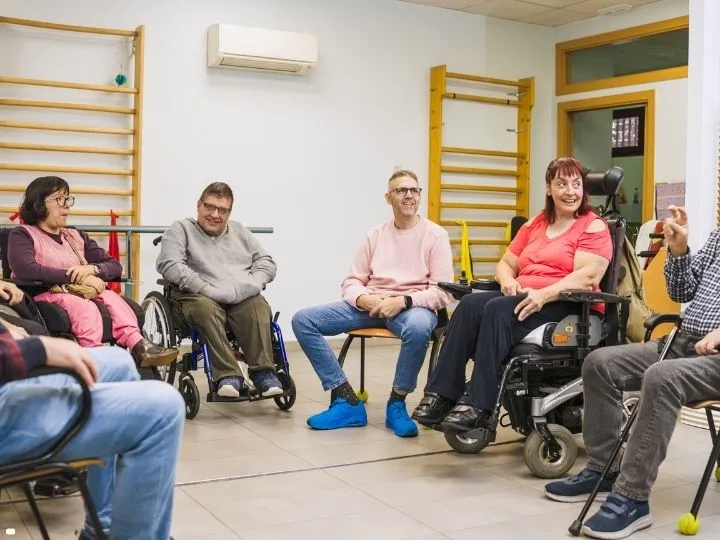

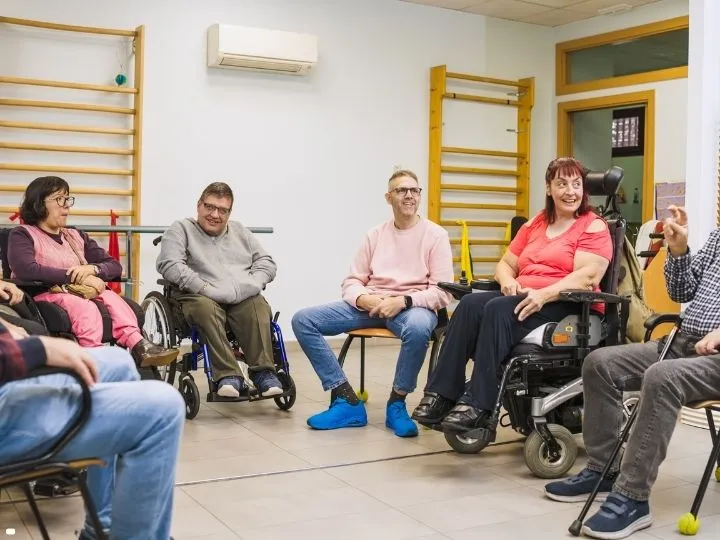
Social isolation can affect people with disability in many ways, including emotional wellbeing, confidence, and overall quality of life. In Australia, the National Disability Insurance Scheme (NDIS) plays an important role in helping participants build meaningful social connections and become more involved in their local communities. Through programs focused on increased social and community participation, individuals can develop friendships, improve independence, and enjoy a more active lifestyle.
What Is Increased Social and Community Participation?
The NDIS provides funding for supports that encourage participants to engage in social, recreational, and community-based activities. The goal of increased social and community participation is to help people with disability feel included and connected rather than isolated.
These supports may include:
- Joining community groups
- Participating in sports or hobbies
- Attending social events
- Learning new skills
- Taking part in group outings
- Accessing mentoring or support workers
By participating in these activities, individuals can build confidence and strengthen social relationships in a supportive environment.
How Community Programs Reduce Social Isolation
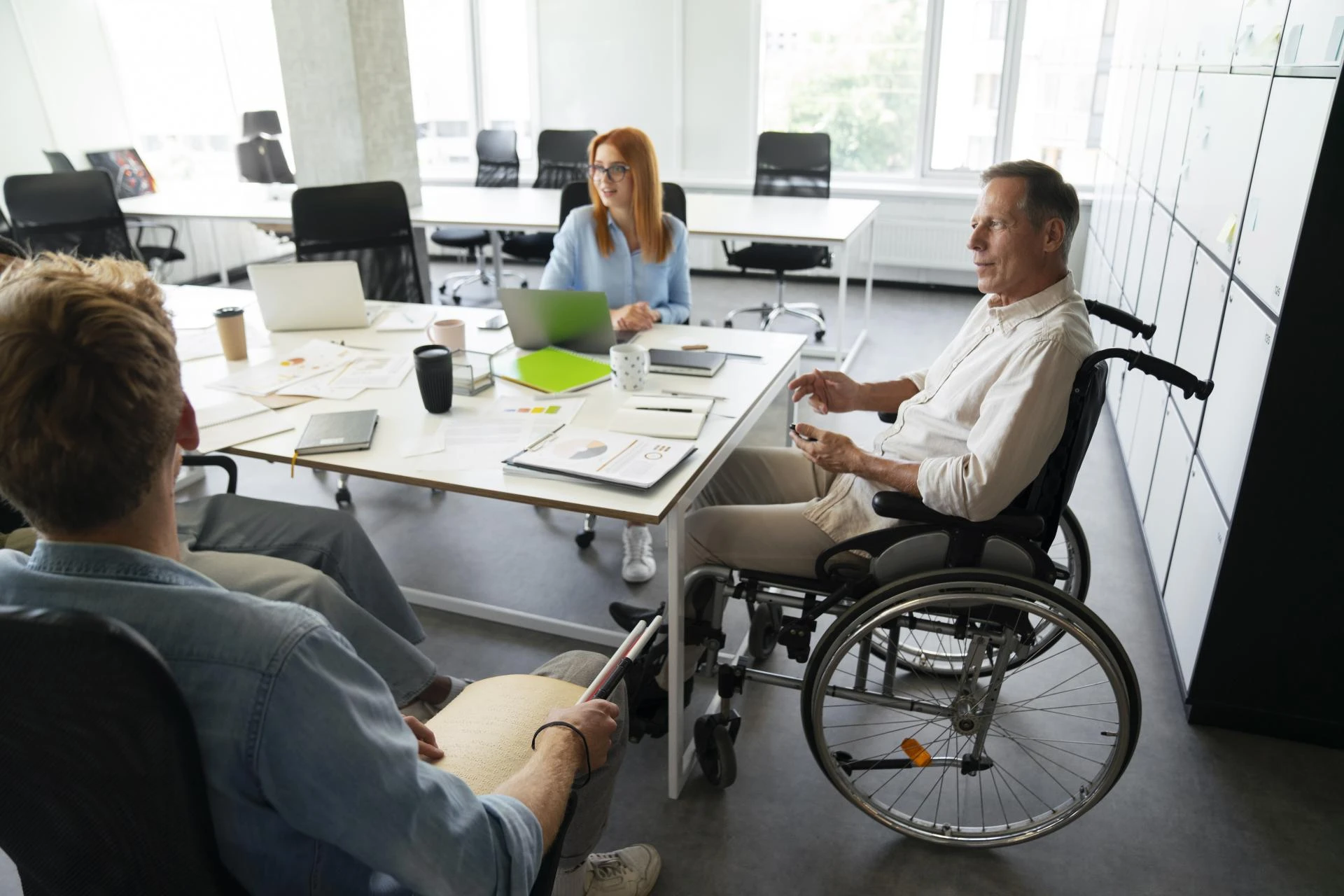
Community participation programs are designed to create opportunities for interaction and inclusion. They help participants feel valued and supported while encouraging regular social engagement.
Building Meaningful Friendships
Many people living with disability experience loneliness due to limited opportunities for social interaction. Community programs allow participants to meet others with similar interests and experiences.
Whether it is a cooking class, art workshop, or local sports activity, these programs create natural opportunities to form friendships and develop social skills.
Improving Confidence and Independence
Regular participation in community activities helps individuals become more confident in social settings. Over time, participants may feel more comfortable communicating, travelling independently, and trying new experiences.
This increased confidence can lead to greater independence in everyday life.
Encouraging Active Lifestyles
Social isolation often leads to reduced physical activity and lower motivation. Community programs encourage participants to stay active through group fitness sessions, outdoor adventures, and recreational activities.
Being physically active can improve mental health, reduce stress, and increase overall wellbeing.
Types of NDIS Community Participation Programs
There are many different programs available under increased social and community participation, depending on the participant’s goals and interests.
Recreational Activities
Participants can join activities such as:
- Music and dance classes
- Gardening groups
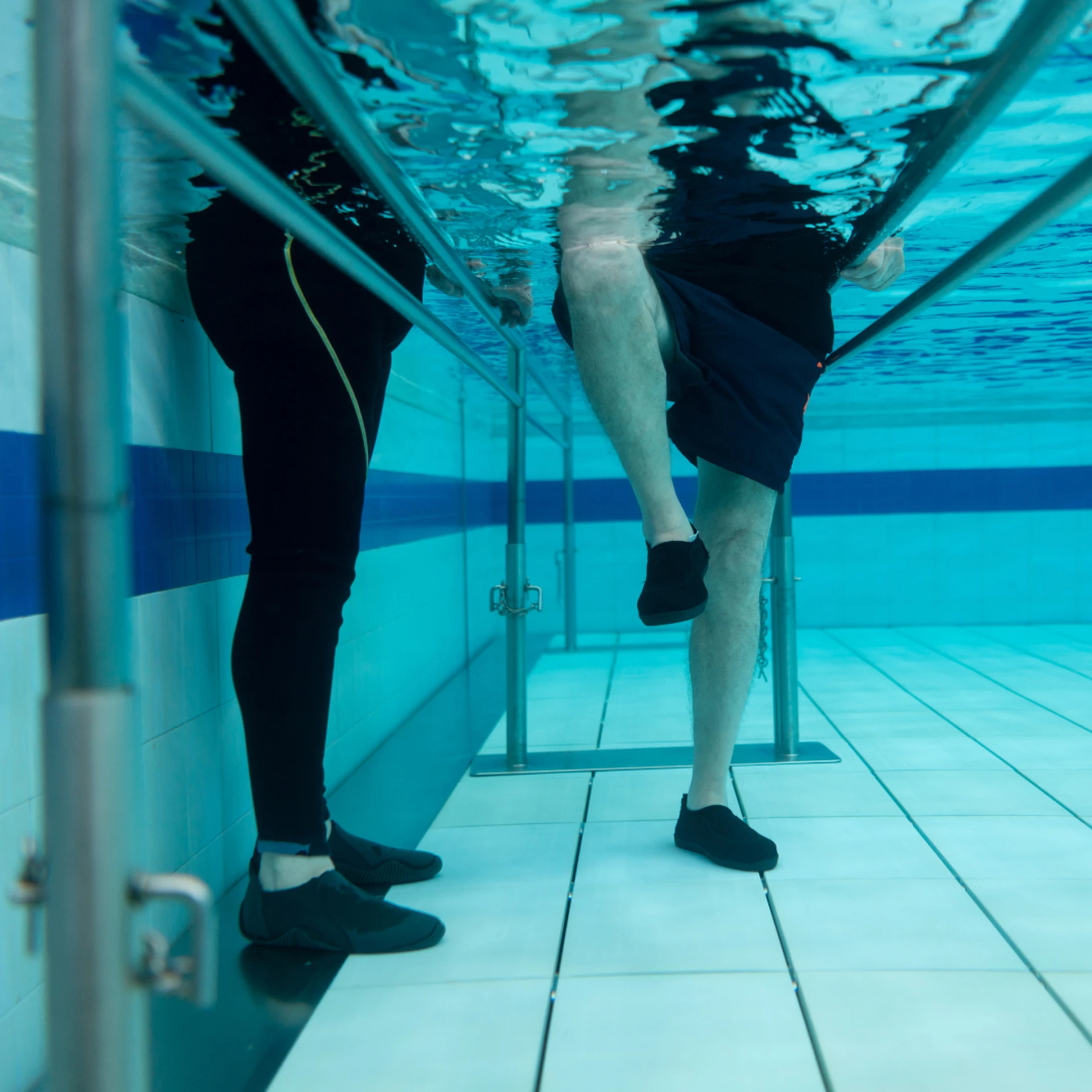
- Swimming programs
- Art and craft workshops
- Community excursions
These activities help individuals enjoy social interaction while learning new skills.
Skill Development Programs
Some NDIS supports focus on developing practical and social skills, including:
- Communication training
- Public transport practice
- Budgeting and shopping assistance
- Employment readiness programs
These services help participants become more independent and connected within the community.
Group-Based Social Programs
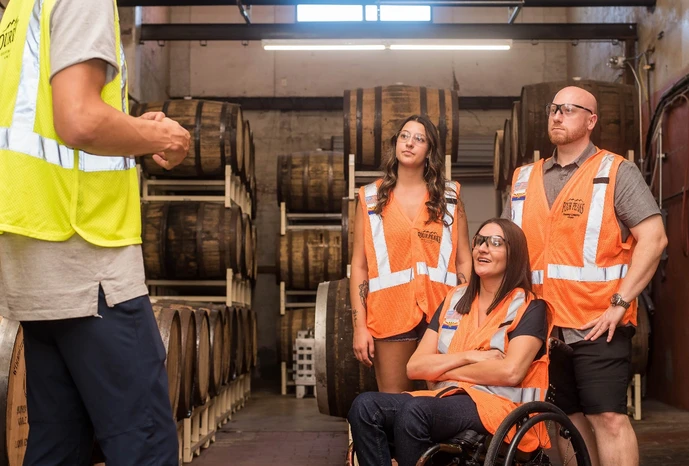
Group programs provide a safe and welcoming environment where participants can socialise regularly. These may include:
- Weekly social clubs
- Peer support groups
- Holiday programs
- Community outings
Group settings help reduce feelings of loneliness while encouraging teamwork and interaction.
The Role of Support Workers
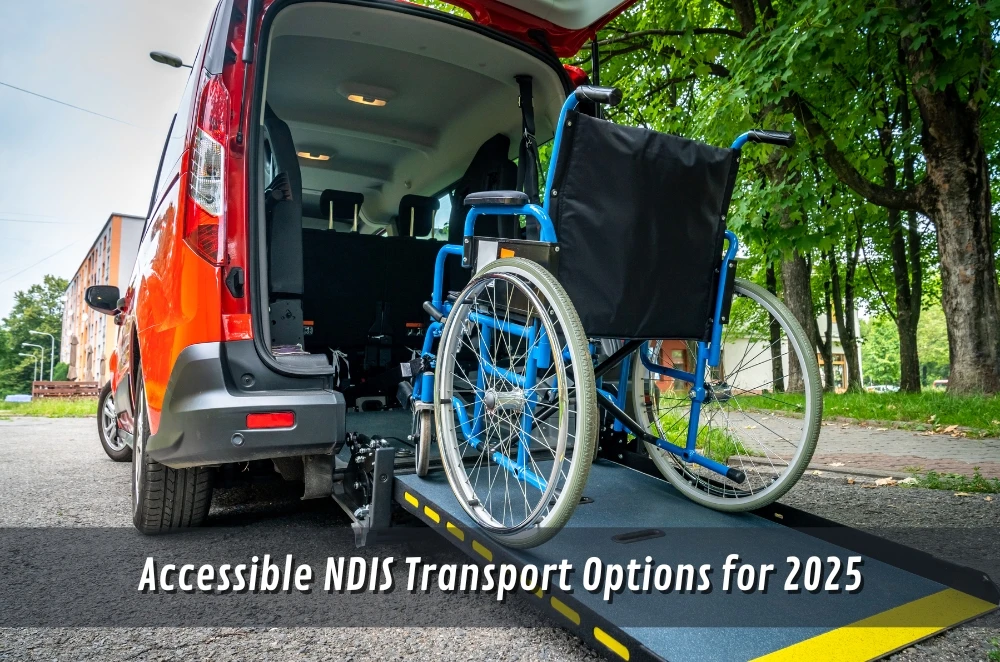
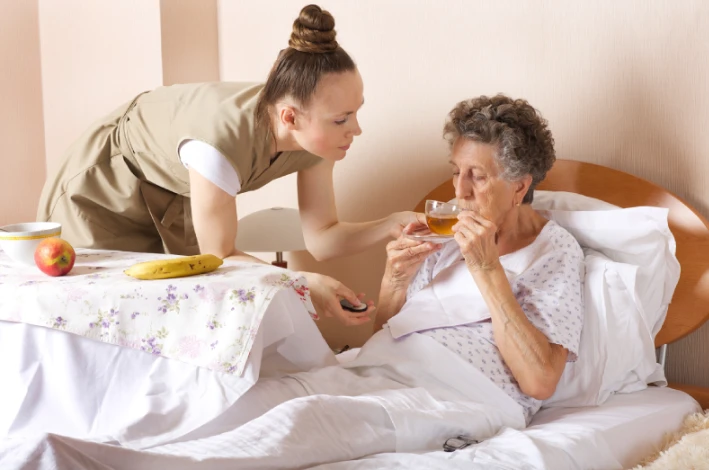
Support workers often play a key role in helping participants access community programs. They can provide assistance with transport, communication, and participation during activities.
A supportive and encouraging worker can help participants feel more comfortable when trying new experiences or meeting new people.
Choosing the Right Community Participation Program
Finding the right program is important for long-term engagement and enjoyment. Participants should consider:
- Personal interests and hobbies
- Accessibility requirements
- Program location
- Group size and environment
- Individual goals outlined in their NDIS plan
Programs that align with personal interests are more likely to create positive and lasting social connections.
Final Thoughts
NDIS community programs are helping many Australians overcome loneliness and build stronger social connections. Through increased social and community participation, participants can enjoy meaningful relationships, improved confidence, and a greater sense of belonging within their communities.
With the right support and opportunities, individuals living with disability can lead more connected, active, and fulfilling lives.
FAQs
What does increased social and community participation include?
It includes supports and activities that help NDIS participants engage in social, recreational, and community-based programs to improve inclusion and independence.
Can NDIS fund group activities?
Yes, the NDIS may fund group activities if they align with the participant’s goals and support needs.
How do community programs improve mental wellbeing?
Community programs reduce loneliness, encourage friendships, and help participants feel more connected and supported.
Are support workers included in community participation funding?
In many cases, support workers can be funded to assist participants during community activities and outings.
How can I find local NDIS community participation programs?
You can speak with your support coordinator, local area coordinator, or NDIS provider to explore programs available in your area.




















Sign in to leave a comment.