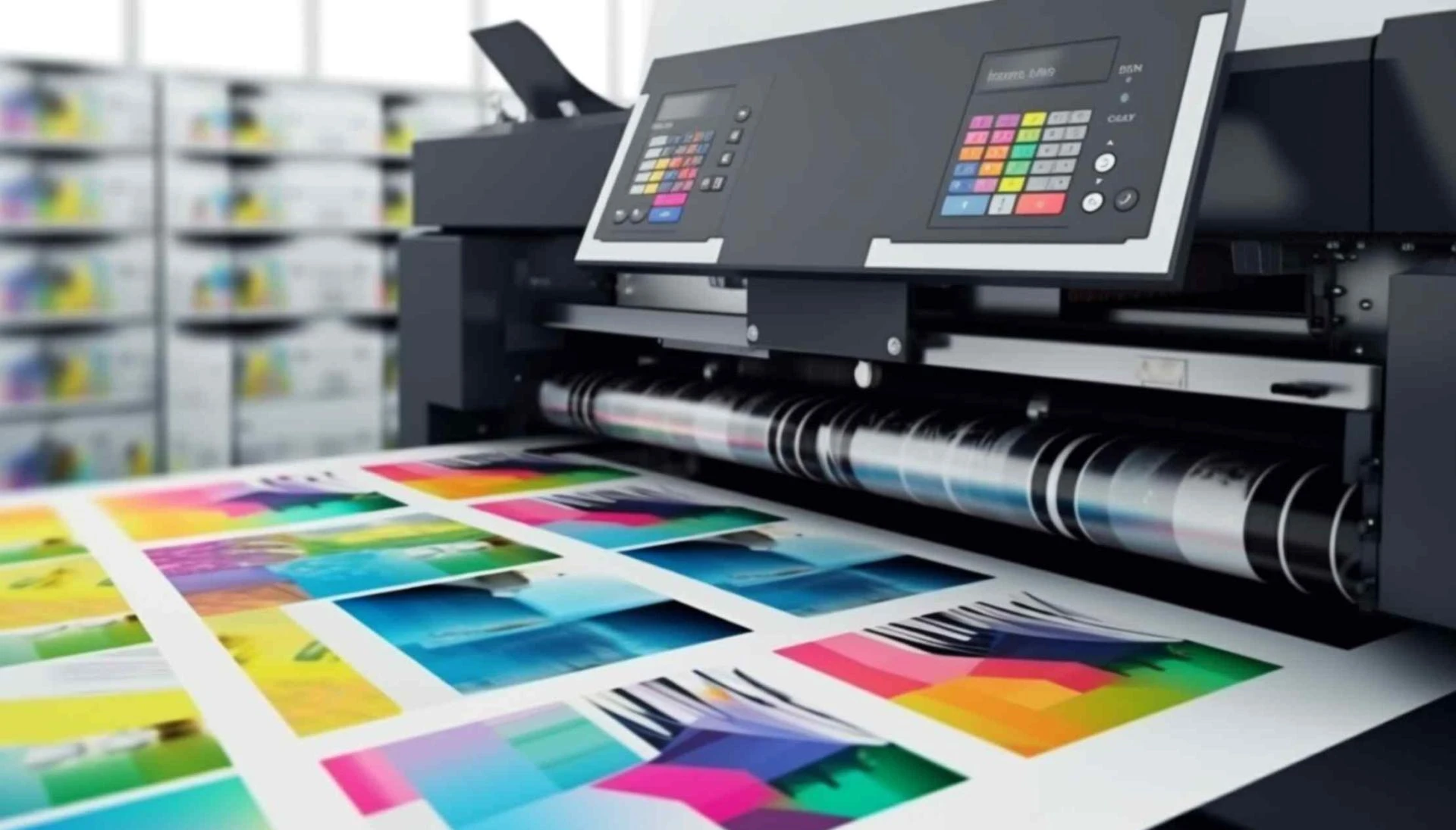

In the world of professional printing, achieving precise and consistent color output is one of the most critical goals. Businesses and individuals rely on print materials to represent their brands accurately, and even small variations in color can affect the overall quality and perception of printed materials. This is where offset printing comes into play. A well-maintained offset printing press in Sharjah can deliver outstanding color consistency, making it a preferred choice for high-volume and high-quality print projects.
Offset printing, also known as offset lithography, uses plates to transfer ink onto a rubber blanket and then onto the printing surface. Unlike digital printing, where each print may slightly vary due to machine adjustments, offset printing offers a controlled and repeatable process. Ensuring color accuracy in this method requires a combination of technical precision, proper calibration, and skilled operators who understand the science behind inks, substrates, and printing machines.
Understanding Color in Printing
Color in printing is not just about mixing pigments. The human eye perceives colors differently, and the way ink interacts with paper can influence the final output. Offset printing presses rely on the CMYK color model, which uses cyan, magenta, yellow, and black inks to reproduce a wide range of colors. Achieving the correct hue and saturation involves balancing these four inks precisely. Even a minor imbalance can result in noticeable color shifts, which is unacceptable in professional printing.
Another crucial factor is the substrate or the type of paper used. Different papers absorb ink differently, affecting the color density and vibrancy. Glossy papers may enhance the saturation of colors, while matte papers can soften them. Experienced printing professionals adjust the ink formulation based on the type of paper to ensure the final output matches the desired design. This is why choosing a reputable printing shop Sharjah is important for projects where color accuracy is a priority.
Prepress Preparations
Before any printing begins, prepress work is essential. Prepress involves preparing digital files, proofing, and making adjustments to ensure that the final print matches the intended design. Color management software plays a significant role in this stage. It allows operators to simulate how colors will appear on the chosen paper and under specific lighting conditions. This predictive capability helps prevent costly errors during actual printing.
Proofing is another vital step. A proof is a sample print that represents the final product as closely as possible. It allows clients and printers to see the colors, adjust them if necessary, and approve the design before full-scale production. Digital proofs can offer an accurate preview, but traditional press proofs using the actual offset printing press in sharjah provide the most reliable results. This ensures that the final run will be consistent and match the client’s expectations.
Calibration of Printing Machines
Calibration is a cornerstone of color consistency. Every offset press must be calibrated before printing begins. This process involves adjusting the machine’s ink rollers, blankets, and plates to ensure even ink distribution. Modern presses often come with automated calibration systems, which measure ink density and adjust settings in real time. Older machines require skilled operators to perform manual adjustments, checking the ink density and alignment throughout the print run.
Ink density is monitored using spectrophotometers, which measure the color of printed samples and compare them to reference standards. Any deviation is corrected immediately, maintaining uniformity across thousands of copies. Regular maintenance of the press, including cleaning and replacing worn parts, also contributes to consistent results. This attention to detail ensures that every print, whether the first or the last in a run, maintains the same level of quality.
Color Profiles and Management
Color management is another essential element in maintaining accuracy. A color profile is a set of data that defines how colors should appear on a specific device, such as a monitor or a press. By using standardized profiles, printers can ensure that the colors seen on screen closely match the colors produced on paper. This process reduces the risk of unexpected color shifts and ensures brand colors remain consistent across different print projects.
In offset printing, color profiles are applied during the prepress stage and carried through the entire printing process. Skilled technicians adjust the press settings based on these profiles, balancing the CMYK inks for each specific job. This meticulous approach ensures that corporate logos, marketing materials, and other print assets always maintain their integrity, which is especially important for businesses that rely on consistent branding.
Monitoring Ink and Substrate Interaction
Ink behavior is not uniform across different paper types. Factors such as moisture content, absorbency, and surface texture can influence how ink spreads and dries. Offset printing presses must account for these variables to ensure color consistency. Press operators monitor how the ink interacts with the substrate during test runs, making adjustments as needed. This might involve changing ink viscosity, tweaking the roller settings, or modifying the blanket pressure.
Some advanced presses use inline sensors that continuously monitor ink density and substrate absorption. These systems automatically correct variations, reducing the risk of human error and increasing efficiency. Even in less automated settings, experienced operators can detect subtle changes in color and make quick adjustments to maintain consistency throughout the print run.
The Role of Quality Control
Quality control is a continuous process in offset printing. From prepress to the final product, every stage involves checks to ensure colors are accurate. Samples are taken at regular intervals, compared to approved proofs, and adjusted if necessary. This vigilance ensures that the final product meets the client’s expectations, whether it is a brochure, packaging, or promotional material.
Quality control also involves post-print considerations, such as drying and finishing. Improper drying can cause colors to smear or fade, while coatings like varnish or lamination can alter the perceived color. Printers take these factors into account, ensuring that the finished product retains the intended vibrancy and accuracy. Working with a professional printing shop sharjah guarantees access to these quality control measures, which are essential for high-standard print materials.
Advanced Technologies in Color Accuracy
Modern offset printing presses incorporate several technological innovations to improve color consistency. Computer-to-plate (CTP) technology, for instance, allows plates to be created directly from digital files, reducing the risk of errors associated with traditional plate-making methods. This ensures that the colors on the plate match the intended design perfectly.
Inline color measurement devices, automated ink supply systems, and digital workflow integration further enhance consistency. These technologies allow presses to adjust in real time, compensating for environmental factors such as temperature and humidity. The result is a seamless printing process where color fidelity is maintained from start to finish, regardless of the run size.
Training and Expertise
Even with advanced technology, human expertise remains critical in offset printing. Operators must understand the behavior of inks, substrates, and machinery to achieve optimal results. This includes knowing how to troubleshoot issues, adjust press settings, and interpret color measurement data. A well-trained team ensures that the press performs at its best and that every print meets exacting standards.
Businesses that prioritize color accuracy often invest in training their staff, emphasizing the importance of precision and attention to detail. This expertise complements technological advancements, resulting in a harmonious combination of human skill and machine capability. For clients, this means receiving printed materials that consistently reflect their brand identity and visual standards.
Benefits of Color Accuracy in Offset Printing
Maintaining color accuracy and consistency offers several tangible benefits. It enhances brand recognition, creates a professional appearance, and reduces waste by minimizing errors and reprints. Accurate colors also improve customer satisfaction, as clients receive materials that match their expectations precisely.
For companies producing marketing collateral, packaging, or corporate materials, these benefits translate into stronger brand impact and more effective communication. Consistent colors reinforce brand identity, ensuring that every printed piece aligns with the overall marketing strategy. In this way, color accuracy in offset printing is not just a technical requirement but a strategic advantage.
Final Thought
Achieving color accuracy and consistency in offset printing is a complex process that combines technology, skill, and attention to detail. From prepress preparation and calibration to quality control and advanced technologies, every stage of the printing process plays a role in delivering precise and repeatable results. Businesses that rely on high-quality printed materials can benefit greatly from working with a professional printing shop sharjah that understands these intricacies. With the right combination of equipment, expertise, and procedures, an offset printing press in sharjah can ensure that every print job reflects the intended colors accurately, helping brands maintain a strong and consistent visual identity. Investing in professional offset printing is an investment in quality, reliability, and lasting impact.































Sign in to leave a comment.