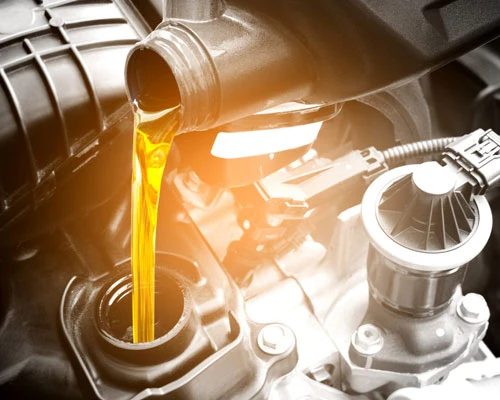

Heavy machinery is the backbone of industries such as construction, mining, manufacturing, and agriculture. These machines endure extreme conditions, from heavy loads to harsh environments, and require consistent maintenance to operate efficiently. One of the most critical aspects of maintenance is lubrication. Using the right lubricants ensures smooth operation, prevents wear and tear, and extends the lifespan of machinery. Choosing a certified grease supplier is crucial in maintaining the performance and safety of heavy equipment. Selecting reliable SWEPCO Lubricants can make a significant difference in reducing downtime, improving efficiency, and lowering overall operational costs.
Understanding Heavy Machinery Lubrication
Lubrication is not just about applying grease or oil; it is a science that ensures that every moving part of machinery functions optimally. Heavy machinery consists of components such as gears, bearings, shafts, and joints, all of which generate friction during operation. Friction can lead to heat buildup, wear, and eventual failure of parts. High-quality lubricants form a protective layer that reduces friction, prevents corrosion, and helps maintain consistent performance.
Certified grease suppliers understand the unique requirements of different machinery. They provide products that meet industry standards and are tested for performance under various conditions. Relying on uncertified or low-quality lubricants can compromise machinery performance, increase maintenance costs, and even pose safety risks to operators. By sourcing from a certified supplier, businesses ensure that the lubricants they use are formulated for heavy-duty use and comply with safety and performance standards.
Benefits of Using Certified Lubricants
1. Enhanced Machinery Performance
Certified lubricants are designed to meet specific operational requirements. They have the right viscosity, thermal stability, and chemical composition to withstand extreme pressures and temperatures. Using high-quality automotive lubricants reduces friction and minimizes wear on critical components. This ensures that machinery runs smoothly, consumes less energy, and maintains optimal performance even in challenging conditions.
2. Longer Equipment Lifespan
Heavy machinery is a significant investment. Regular maintenance with quality lubricants can dramatically extend the lifespan of equipment. Certified grease suppliers provide products that prevent metal-to-metal contact, reduce oxidation, and resist breakdown under high stress. Over time, this translates into fewer repairs, reduced replacement costs, and better return on investment for businesses relying on heavy machinery.
3. Reduced Downtime
Downtime in industrial operations can be costly. A single malfunctioning machine can halt production, leading to delays and financial losses. Certified grease suppliers offer products that maintain consistent lubrication even under extreme loads and environmental conditions. This reliability reduces the frequency of breakdowns and minimizes unexpected downtime, keeping operations on schedule and efficient.
4. Safety Compliance
Heavy machinery operates in environments where safety is paramount. Poorly lubricated equipment can fail suddenly, causing accidents and endangering workers. Certified grease suppliers adhere to strict safety standards and ensure that their lubricants perform reliably. Using swepco lubricants from a certified source helps businesses comply with safety regulations and protect their workforce from avoidable hazards.
5. Environmental Responsibility
Certified suppliers often follow eco-friendly practices in producing lubricants. This includes minimizing harmful additives, improving biodegradability, and reducing environmental contamination. Using environmentally responsible automotive lubricants not only protects machinery but also contributes to sustainability goals. For industries increasingly focused on environmental responsibility, sourcing from certified suppliers is a proactive step toward greener operations.
How to Identify a Certified Grease Supplier
Choosing a certified supplier requires careful consideration. Here are some factors businesses should evaluate:
1. Industry Certifications
A reputable supplier will have certifications from recognized industry bodies. These certifications ensure that the products meet rigorous standards for performance, safety, and quality. Certifications can vary depending on the type of machinery and application but commonly include ISO standards, API approvals, and other industry-specific recognitions.
2. Product Testing and Quality Assurance
Certified suppliers invest in testing and quality control. This includes analyzing lubricant properties such as viscosity, thermal stability, and resistance to oxidation. A supplier that prioritizes quality assurance demonstrates commitment to delivering reliable products that perform consistently under challenging conditions.
3. Technical Support and Guidance
Heavy machinery operators often require guidance on selecting the right lubricants for specific equipment. Certified suppliers provide technical support, offering recommendations based on machinery type, operational environment, and maintenance schedule. This expertise ensures that businesses use lubricants effectively, optimizing performance and extending equipment life.
4. Reputation and Track Record
A supplier’s reputation is a strong indicator of reliability. Businesses should seek suppliers with a proven track record in supplying high-quality lubricants to heavy industries. Customer testimonials, case studies, and industry references can provide valuable insight into the supplier’s credibility and product performance.
5. Availability and Distribution
Consistency in supply is essential to avoid disruptions in maintenance schedules. Certified suppliers often have extensive distribution networks, ensuring timely delivery of lubricants when needed. This helps businesses maintain continuous operation without compromising on maintenance standards.
Common Misconceptions About Lubricant Suppliers
Many businesses underestimate the importance of sourcing from certified suppliers, believing that all lubricants are essentially the same. However, this is far from true. Using unverified or generic products can lead to rapid machinery wear, corrosion, and even catastrophic failures. Some common misconceptions include:
- All greases are the same: Different machinery requires lubricants with specific properties. Certified suppliers provide products tailored to meet these requirements.
- Price reflects quality: Cheaper lubricants may save money upfront but can lead to higher maintenance costs over time. Certified suppliers balance cost with performance and reliability.
- In-house blending is sufficient: While some companies attempt to mix their own lubricants, this can introduce inconsistencies and risks. Certified suppliers offer professionally formulated products tested for performance.
By addressing these misconceptions, businesses can make informed decisions about their lubrication needs and ensure machinery longevity and operational efficiency.
Industry Examples of Lubrication Impact
In construction, earth-moving equipment such as bulldozers and excavators operates under extreme pressure and heavy loads. Without proper lubrication, bearings and joints wear out quickly, leading to expensive repairs. Using certified swepco lubricants ensures that these components are protected and function optimally.
In mining operations, machinery is exposed to dust, moisture, and fluctuating temperatures. Certified lubricants resist contamination and maintain viscosity under varying conditions. This prevents unplanned downtime and costly equipment replacements.
Manufacturing facilities also benefit from certified automotive lubricants in maintaining conveyor systems, robotic arms, and industrial presses. The right lubrication reduces energy consumption, minimizes friction, and ensures precise operation of machinery critical to production efficiency.
Tips for Maintaining Heavy Machinery
Selecting a certified grease supplier is only the first step. Proper maintenance practices are equally important to maximize the benefits of high-quality lubricants:
- Regular Inspections: Routinely check machinery components for signs of wear, leaks, or contamination.
- Scheduled Lubrication: Follow a strict lubrication schedule to maintain optimal performance and prevent unnecessary wear.
- Clean Application: Ensure that grease guns, containers, and application points are clean to avoid contamination.
- Monitor Performance: Track machinery performance metrics such as temperature, vibration, and energy consumption to detect early signs of lubrication issues.
- Staff Training: Educate operators on the importance of proper lubrication and how to handle certified products correctly.
By combining certified lubricants with proper maintenance, businesses can significantly enhance the reliability and efficiency of heavy machinery.
Final Thought
Choosing a certified grease supplier is not just a recommendation; it is a necessity for industries relying on heavy machinery. The difference between high-quality, certified products and uncertified alternatives can be seen in performance, safety, and cost efficiency. By investing in reputable suppliers and products like swepco lubricants and automotive lubricants, businesses ensure that their equipment operates smoothly, lasts longer, and contributes to overall productivity. In the long run, selecting a certified supplier is a strategic decision that protects machinery, supports worker safety, and enhances operational success.
Making the choice for certified lubrication today is a safeguard for tomorrow, ensuring machinery remains dependable, efficient, and ready for the demands of modern industrial operations.
























Sign in to leave a comment.