

There are standards, inspections, weekly checks, and a long list of things you’re expected to keep up with. Most landlords understand why the rules exist, but they still wonder about the practical side of it. How often should a fire alarm actually be tested? And what do fire alarm engineers discover when they walk into real properties across Eastbourne, Seaford, Hailsham, Polegate, and nearby towns?
This isn’t the sort of thing you want to guess. A missed fault or a slow response to an early warning sign can put people at risk. It can also create headaches with insurers, councils, and licensing officers. After years of carrying out fire alarm installation, fire alarm servicing, fire alarm testing, and full fire alarm maintenance for HMOs and commercial buildings, the team at M and M Electrical Services Ltd has seen the patterns. The silent faults. The things tenants don’t report. The issues that show up at the worst possible time.
So let’s talk about how often your fire alarms should be tested, but let’s also take you behind the scenes to show what engineers actually find once they’re inside the building. Because the truth is, most problems don’t shout. They hide. And that’s why routine testing often makes the difference between a safe property and a risky one.

A Real Callout in Eastbourne That Explains Everything
Several years ago, one of our fire alarm engineers in Eastbourne, Max, received a call from a landlord who owned a mid-size HMO near the town centre. The tenants had been complaining about an occasional chirping noise. Nothing major. It would happen once or twice a week, usually in the early hours of the morning, and then vanish again. The landlord assumed it was a low battery warning from one of the detectors.
When Max arrived, it took less than five minutes to realise the problem wasn’t a dying battery. It was a supply fault in the mains-powered system. The panel wasn’t receiving a stable voltage, which meant parts of the system were running, then cutting out, then coming back online. The alarm technically worked, but only in the way a car “works” when the engine is coughing smoke.
The worrying part?
This was an HMO that passed an inspection just six months earlier. The tenants were asleep most of the time the fault occurred, so they never saw the panel lights flicker. The landlord had no reason to think there was anything wrong. But if a fire had started on the ground floor that week, the system might not have detected it until the smoke reached the upper levels.
This isn’t unusual.
These are the things engineers actually find. And this is the reason fire alarm testing in HMOs has strict timing requirements.
So How Often Should Fire Alarms Be Tested in an Eastbourne HMO?
Here’s the practical breakdown:
Weekly checks
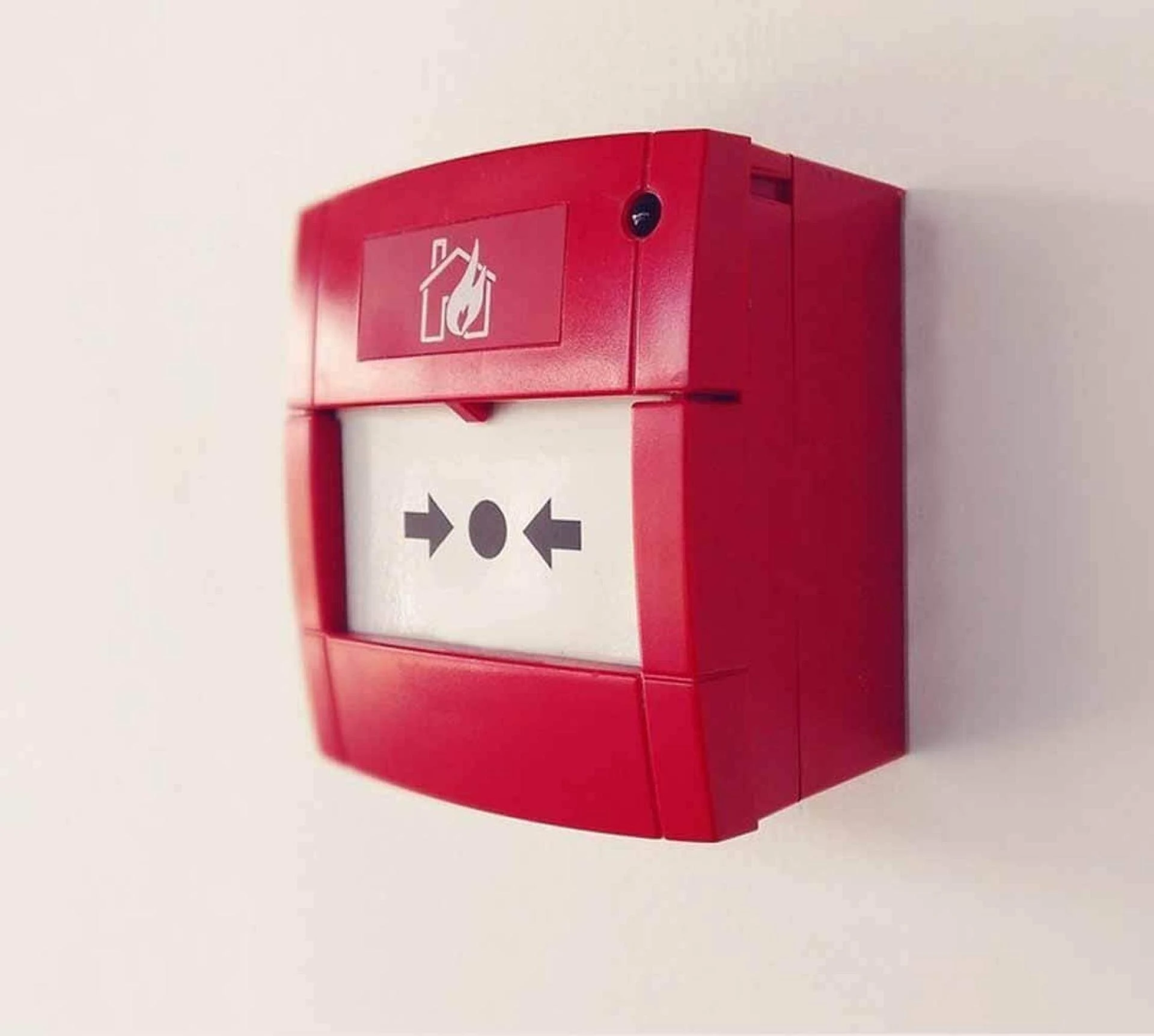
Someone responsible for the property should activate a call point or a detector once a week. This doesn’t have to be a fire alarm engineer, but it does need to be logged. It confirms the panel responds, the sounders activate, and the system is receiving power.
Monthly checks
Visual checks of emergency lighting and a walk-through of the property to catch early signs of damage, tampering, or faults.
Quarterly fire alarm servicing
This is where a trained fire alarm engineer comes in. They check the detectors, sounder circuits, battery health, wiring, and power supply. They test parts of the system that weekly checks can’t reach.
Six-month or yearly full system tests
Depending on the category and complexity of your fire alarm installation, you’ll need a more detailed inspection. This includes a full test of devices, verification of cause-and-effect programming, and checks for issues in the wiring or control panel.
For HMOs in Eastbourne, especially those governed by LACORS guidance, these routine tests aren’t optional. They’re part of the landlord’s legal obligation. But beyond the rules, weekly and quarterly checks catch faults long before they become expensive or dangerous.
You can find more on what full inspections involve in the Fire Alarms section on our website.
What Engineers Actually Find: The Hidden Problems in HMO Fire Alarm Systems
You’d expect most problems to be obvious. Smoke detectors falling off the ceilings. Buzzing panels. Red warning lights. But in practice, most faults stay quiet. Here are some of the most common ones our engineers find during fire alarm maintenance and fire alarm servicing across Eastbourne and East Sussex.
1. Disabled detectors
Tenants sometimes cover smoke detectors with bags during cooking or vaping, then forget to remove them. You’d be surprised how often this happens. A weekly alarm test won’t always expose it unless the covered device is the one chosen for the test.
2. Faulty sounders that still “look” fine
Sounders can fail even when everything appears normal from the hallway. Only a proper test reveals whether they’re delivering the right level of sound throughout the property.
3. Loose wiring or corroded terminals
Eastbourne’s coastal air doesn’t help. The salt can cause corrosion. Loose wiring can create intermittent faults that come and go.
4. Ageing backup batteries
Backup batteries fail gradually. You won’t notice until a power cut happens and the panel goes dark. This is one of the most common issues we find on quarterly visits.
5. Incorrect detector types
A heat detector in a bedroom. A smoke detector near a shower. A mismatched mix of old and newer devices. Many HMOs have been pieced together over time and the result is a mismatch of components.
6. No documentation or outdated certificates
Landlords sometimes inherit properties with old systems and no paperwork. Without proper servicing records, it’s not possible to prove the system is legally compliant.
These issues don’t show up unless a fire alarm engineer checks them. That’s why routine fire alarm testing matters. And it’s also why we advise landlords to work with a team that understands HMO layouts, tenant behaviour, and the local Eastbourne licensing requirements.
A Day in the Life of a Fire Alarm Engineer in Eastbourne
People are often curious about what we actually do during a typical fire alarm inspection or fire alarm installation. Here’s a real example from one of our engineers, Aaron.
One morning he arrived at a property in Polegate where the landlord assumed everything was fine. The building was tidy, the tenants seemed responsible, and the panel showed no fault warnings.
But as soon as he started testing the detectors in the upstairs landing, he noticed a faint crackle in the sounder. This wasn’t a normal noise. It suggested a weakening internal connection. If it had been left a few more months, the sounder might have failed entirely.
In the back kitchen, he found a smoke detector that was too close to the cooker. It had been installed years earlier before the room was redesigned. Now it was triggering false alarms weekly. Tenants were used to it and had stopped reacting as quickly. That’s a dangerous pattern in any HMO.
In the loft, he found rodent damage to the wiring. Not enough to cut the entire system, but enough to cause occasional false signals.
These are the kinds of stories that rarely make it into a landlord’s diary. No one expects mice, layout changes, or a tired sounder to create a fire risk. But all these things add up.
Why HMOs Need More Attention Than Standard Homes
An HMO isn’t just a big house. It has more people, more appliances, more cooking schedules, and more opportunity for faults. Even the behaviour of tenants plays a role in how hard a fire alarm system needs to work.
The more activity in the building, the more the system needs reliable fire alarm maintenance and proper fire alarm servicing. That’s especially true in older Eastbourne properties where wiring and old internal partitions can hide faults.
If you’re managing a property locally, you know the buildings here come in all shapes and ages. Victorian terraces near the seafront. Converted flats near Meads. New builds in Sovereign Harbour. Each one behaves differently.
That’s why our engineers always adapt the testing process for the type of building. A panel system in a four-storey Victorian HMO behaves differently from a newer Grade D linked system in a smaller property.
What Proper Fire Alarm Testing Includes
A full fire alarm test from a qualified engineer isn’t just a quick button press. It includes:
- Checking every detector head
- Testing sounder circuits
- Inspecting the fire panel
- Confirming battery health
- Testing call points
- Verifying wiring integrity
- Checking logbooks
- Reviewing detector locations
- Ensuring compliance with BS5839
You can see how all this fits into the work we do under our inspections and testing services here:
https://electriciansineastbourne.co.uk/inspections-tests/
For landlords who want to combine this with electrical checks, PAT testing and general electrical inspections can also be done at the same time. That helps streamline your compliance requirements.
Why Regular Servicing Saves Landlords Money
There’s a story from a landlord in Hailsham who chose to skip yearly servicing because the system “looked fine.” Two years later, the panel failed completely. The replacement cost thousands.
If the system had been checked at regular intervals, the engineer would have caught the dying power supply a year earlier. That would have cost a fraction of the replacement.
Most expensive problems show small clues long before they become big problems. You just need someone trained to spot them.
Why M and M Electrical Services Ltd Is Trusted Across Eastbourne
Landlords usually come to us after hearing our name from another landlord they trust. That matters to us because referrals mean we’re doing something right.
We’re based in Eastbourne, at 45 Avondale Road, BN228JW, and our team is made up of qualified electricians and fire alarm engineers who specialise in domestic, commercial, and industrial work. We handle:
- Fire alarm installation
- Fire alarm testing
- Fire alarm servicing
- Fire alarm maintenance
- Emergency lighting systems
- Full electrical installations
- Three-phase work
- Full house rewires
- Landlord compliance checks
- PAT testing
We’re fully insured, NICEIC-registered, and trained to British Fire Protection Systems Association standards. We only use modern equipment and update our training regularly, especially as fire safety guidance evolves.
If you want to keep up with what we do behind the scenes, our social channels show day-to-day work, real installations, and live testing:
Signs Your HMO Fire Alarm Needs Testing Now
Even if you’re keeping up with routine checks, these signs mean you shouldn’t wait until the next scheduled visit:
- Occasional chirping or beeping
- Tenants reporting “burning smell” near detectors
- Flashing or dim panel lights
- False alarms becoming more frequent
- Detectors looking yellowed or aged
- A recent renovation or layout change
- New tenants moving in
None of these always mean the system is about to fail, but they’re early clues that something might be off.
A Story About a Landlord Who Waited Too Long
A landlord in Seaford once told us something that stuck with us. He said:
“I didn’t think the alarm would actually fail. I thought maybe if something went wrong, it would beep at me. But it didn’t.”
His system stayed silent because the fault wasn’t in the detector. It was in the sounder circuit. That’s the sort of problem no one hears until it’s too late.
After testing the entire system, we replaced the faulty wiring and updated his panel. His property is now fully compliant, but the experience shook him. He immediately booked recurring quarterly servicing for all his properties.
Sometimes one close call is all it takes.
How HMO Fire Alarm Testing Connects to Other Compliance Checks
Fire alarm testing is often done alongside other electrical safety checks. Many landlords prefer this because it reduces downtime and keeps everything organised. For example:
- EICRs are required for landlord properties
- PAT testing covers portable appliances
- Emergency lighting checks confirm safe exit routes
- Full electrical installations can be checked for aging or wear
You can learn more about these services here:
When everything is tested together, you get a full picture of your property’s safety.
What Tenants Don’t Usually Report (But Engineers Find Quickly)
Tenants aren’t trying to hide things, but most don’t know what to look for. Here are issues they rarely mention:
- A detector that’s unusually warm
- A sounder that’s slow to respond
- An emergency light that flickers for a moment
- A panel showing a silent pre-fault
When we carry out fire alarm servicing, our engineers pick up on these small details immediately. That’s the advantage of having people who know the equipment inside and out.
Your Next Step as an HMO Landlord in Eastbourne
If you’re unsure when your last inspection was, or if you haven’t had a fire alarm engineer check your system recently, it’s worth scheduling it now.
You can contact us through our website:contact-us/
Or reach us directly at:
- 01323 364 439
- [email protected]
- [email protected]
Regular testing prevents risk, keeps tenants safe, protects your investment, and ensures compliance. It also means you won’t get caught out by faults hiding quietly in the background.
Final Thoughts
Fire alarm systems don’t fail loudly. They fail quietly. They fail in the gaps between weekly checks and tenant assumptions. They fail when no one notices a flicker or a faint beep. They fail when wiring ages behind walls or when detectors are moved during renovations.
The real value of proper fire alarm testing isn’t the paperwork. It’s the peace of mind that comes from knowing someone has checked every corner of the system with trained eyes.
If you manage an HMO in Eastbourne or anywhere in East Sussex, the question isn’t just how often your fire alarms should be tested. The real question is whether the testing is being done well enough to catch the problems you’d never see on your own.
At M and M Electrical Services Ltd, that’s exactly what we’re here for.







Sign in to leave a comment.