

Your septic tank works quietly behind the scenes, but it plays a very critical role in keeping your home clean and safe. Because most of your septic system is hidden underground, normally, for homeowners, it’s an out-of-sight, out-of-mind kind of situation until they’re dealing with a mess. However, neglecting septic tank maintenance can lead to a series of nasty problems for you to deal with, leading to higher repair bills, unpleasant odors around the house, and even system failure. One of the most important aspects of septic system care is scheduling Septic Tank Pumping in Santa Fe. Knowing when to schedule septic tank pumping can help you avoid unexpected septic issues and extend the life of your system.
This short guide covers everything homeowners need to know about septic system maintenance timelines and why it’s so important to keep up with it.
How Often Does a Septic Tank Require Pumping?
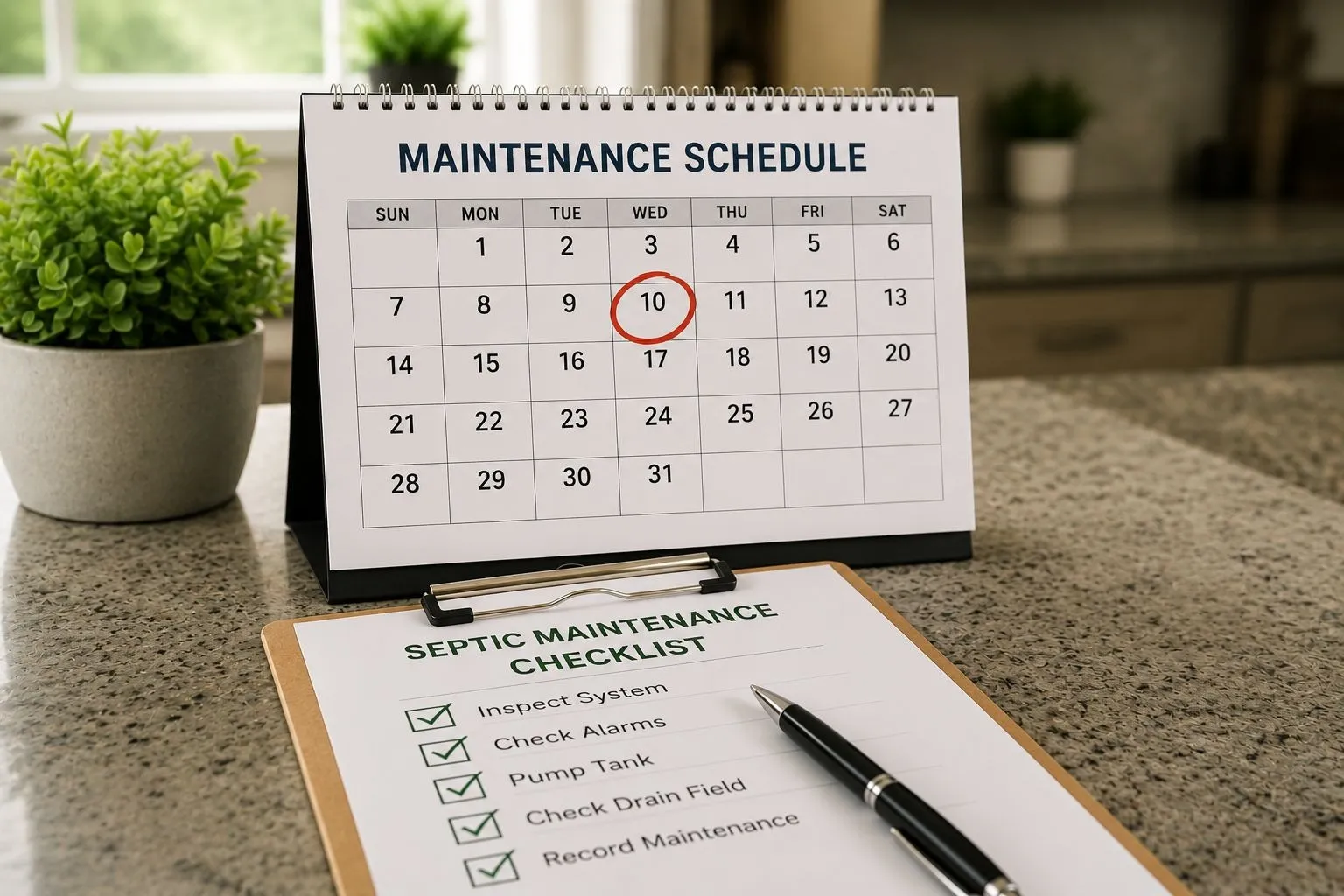
As a general guideline, you should have your septic tank pumped every three to five years. However, the actual answer may vary by household, according to septic specialists. When scheduling a septic pumping service, you should consider several factors, such as your family size, your septic tank capacity, and your household water usage patterns.
Here are the factors that affect the frequency of your septic tank pumping schedule:
- Household Size - More individuals in the home means increased waste is moving into your septic tank, which may necessitate more frequent pumping of your tank to avoid either backups or overloads of the system.
- Size of Your Septic Tank - If you have a larger septic tank, you also have less frequent pumping of your septic tank. Pumping your septic tank at regular intervals can help reduce the likelihood of an overflow that will damage your property.
- Daily Water Usage - The amount of water you use on a daily basis at home is equally important to consider. You may need to schedule Septic Tank Pumping more frequently if your household generates a high volume of wastewater. The more wastewater is generated. The septic system is further strained as a result.
But this is not all. There are some other signs you need to watch for that indicate your tank needs to be emptied immediately or as soon as possible.
When to Schedule Septic Tank Pumping in Santa Fe
Mentioned below are the top signs your septic tank is full and needs to be pumped out immediately.
- If you begin to detect bad smells inside your home or near your septic tanks, then your septic system should likely be pumped out.
- If your toilet flushes slowly, then your septic tank should be pumped out because it means it’s almost full.
- When there are frequent backups in your toilets, your septic system is again telling you the tank is full. Sewage backup could indicate that pipes are obstructed, or you may have problems with your drain field.
- Another sign you should be looking for is if there are strange noises or gurgles coming out of either your toilet or sink, because it means there’s a problem with your septic system.
- If you find that your yard around your septic tank seems to be wet, and you begin to notice pools of water around it, this indicates that your septic tank is overflowing or leaking and needs to be pumped out immediately.
Conclusion
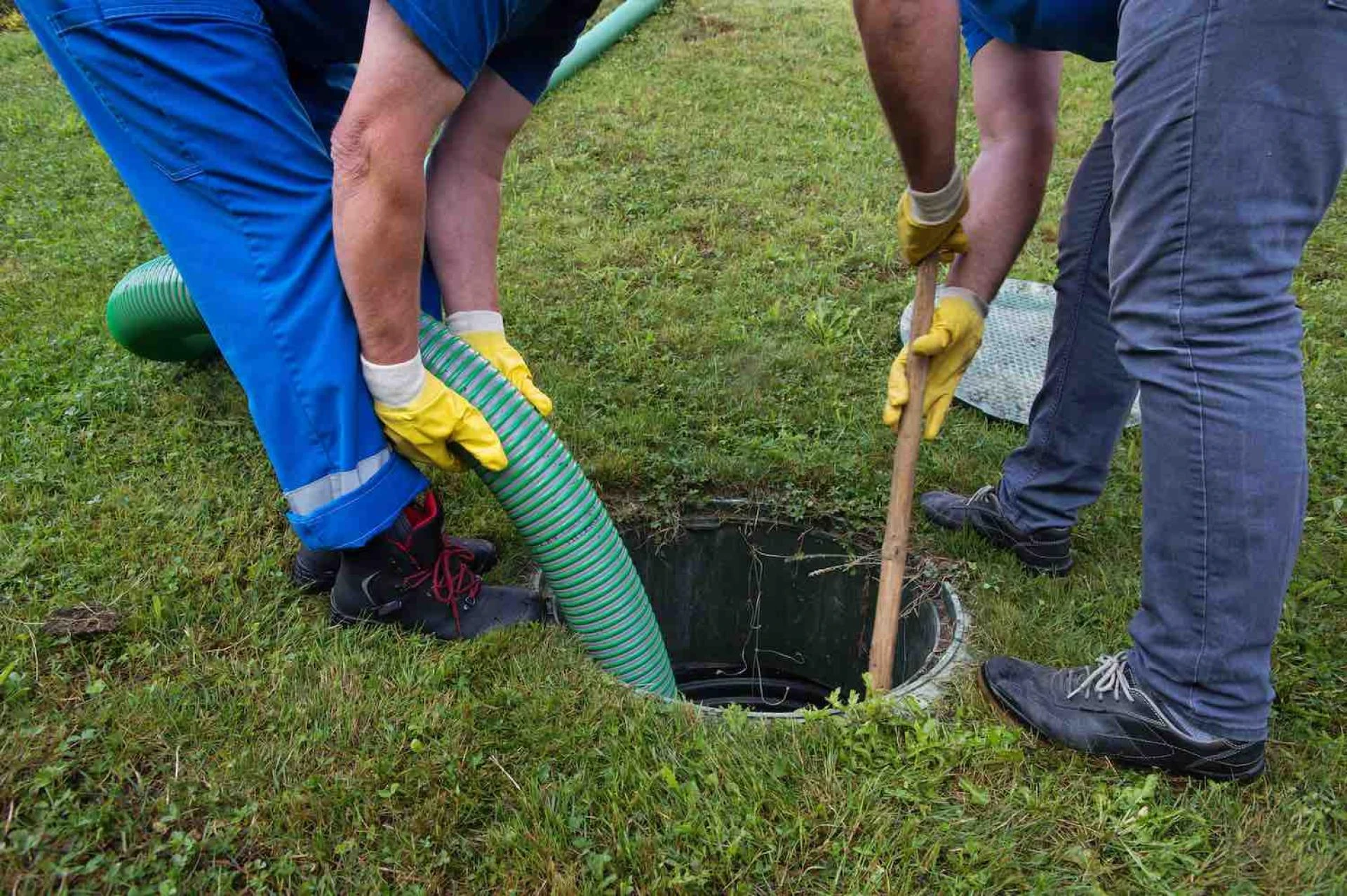
As a homeowner, you need to have your septic tank pumped out on a regular basis to prevent issues like sewage backups, foul odors around your property, and irreversible septic system damage. Septic pumping is a handy and safe service that keeps your home's septic system in good working order. Contact 505 Portable Restrooms right now to arrange your next septic tank pumping in Santa Fe.
“Content Copied From”: https://medium.com/@restrooms505/how-often-should-homeowners-schedule-septic-maintenance-c555afba2aa3




























Sign in to leave a comment.