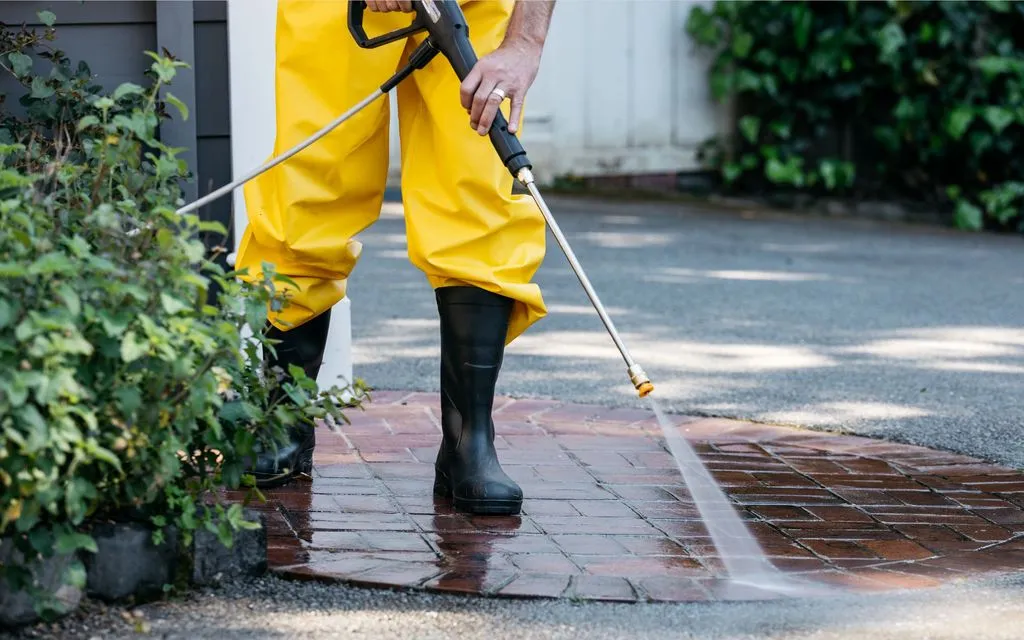

Outdoor surfaces collect dirt, algae, mold, pollen, and pollution throughout the year, which slowly affects both appearance and durability. Regular cleaning helps maintain curb appeal and prevents long-term damage to siding, driveways, patios, and walkways. Soft Pressure Washing provides a safe method for removing buildup without harming delicate materials such as painted wood, vinyl, or sealed stone. The ideal cleaning frequency depends on environmental exposure, surface type, and seasonal conditions. A structured maintenance plan keeps outdoor areas clean, safe, and visually consistent across all seasons.
Environmental Conditions That Affect Cleaning Frequency
The frequency of outdoor pressure washing depends heavily on environmental exposure. Homes located in humid regions or areas with heavy rainfall tend to develop algae and mildew faster than dry climates. Properties surrounded by trees often experience quicker buildup of pollen, sap, and organic debris. Urban locations may deal with dust and pollution, which also affects surface cleanliness. Each of these factors contributes to how often cleaning should be scheduled for optimal protection and appearance. Other important influences include wind exposure, shade coverage, and proximity to construction or high-traffic roads. Surfaces that remain damp for longer periods naturally develop stains and biological growth more quickly. Understanding these environmental pressures helps create a realistic cleaning cycle that prevents excessive buildup while avoiding unnecessary washing that could wear down surfaces over time.
Recommended General Cleaning Schedule for Homes
Most residential properties benefit from a general pressure washing schedule every 12 to 18 months. This timeframe helps prevent buildup from becoming deeply embedded in surfaces while maintaining a clean exterior appearance. Homes with lighter exposure to dirt may extend beyond 18 months, while those in more challenging environments may require annual cleaning or slightly shorter intervals. A consistent routine reduces the need for intensive restoration cleaning later. Instead of waiting for visible damage, scheduled maintenance ensures surfaces remain protected year-round. Exterior walls, trim, and general siding often follow this annual pattern, while other surfaces may require more frequent attention depending on usage and exposure.
Driveways and Walkways Cleaning Frequency
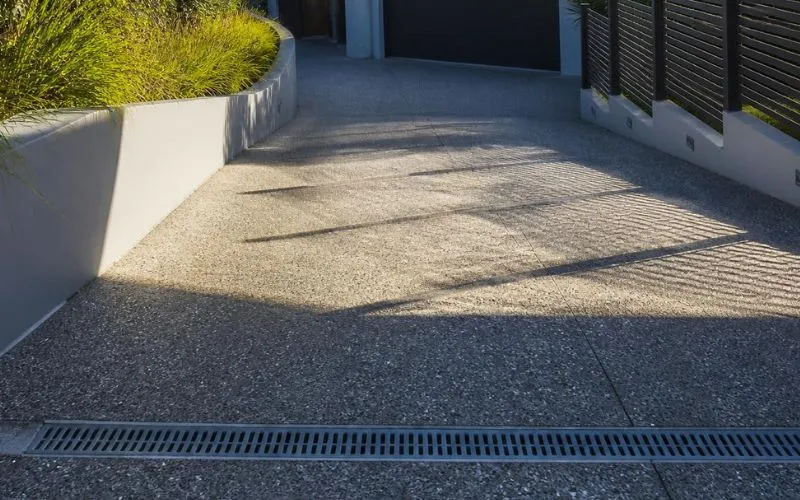
Driveways and walkways experience constant use, making them some of the fastest areas to show visible dirt and staining. Tire marks, oil spills, and embedded grime gradually build up on concrete and stone surfaces. Pressure washing these areas two to three times per year helps maintain appearance and prevents permanent discoloration. Walkways located near gardens or shaded areas often develop moss or algae growth, which can create slippery conditions. Regular cleaning improves both safety and appearance. These high-traffic zones play a major role in curb appeal, making consistent maintenance essential for a well-kept exterior.
House Siding and Exterior Wall Maintenance
Exterior siding requires a more careful cleaning approach due to the sensitivity of materials such as vinyl, wood, or painted surfaces. Most homes benefit from siding cleaning every 12 to 24 months depending on environmental exposure. Homes near coastal areas, highways, or dense vegetation may require more frequent washing due to salt, dust, and organic buildup.
Proper maintenance helps preserve paint quality, prevent mildew growth, and reduce discoloration. Light buildup often goes unnoticed until it becomes visible streaking or dullness. Regular cleaning protects the structural finish and maintains a fresh exterior appearance without unnecessary wear.
Seasonal Effects on Pressure Washing Needs
Seasonal changes significantly influence how quickly outdoor surfaces accumulate dirt. Spring introduces pollen and organic debris that settle on siding and outdoor furniture. Summer humidity encourages algae and mildew growth, especially in shaded areas. Fall contributes leaves, sap, and staining materials, while winter leaves behind salt residue and grime from snow and ice treatments. Each season adds different layers of buildup, making it important to adjust cleaning schedules accordingly. Regions with harsher weather patterns may require more frequent washing cycles, while milder climates allow longer intervals between cleanings. Seasonal awareness ensures better long-term surface protection.
Key Signs That Cleaning Is Needed
Visible signs often indicate when pressure washing is necessary, even if a scheduled cleaning has not yet arrived. Dark streaks on siding, green patches of algae, and slippery walkways are strong indicators of buildup. Surfaces may also appear dull or faded due to accumulated dirt and organic material. Additional warning signs include staining around gutters, corners, and shaded areas where moisture tends to collect. These areas often develop growth faster than exposed surfaces. Addressing these signs early prevents deeper damage and reduces the effort required for full restoration cleaning later.
Importance of Regular Maintenance for Property Value
Consistent outdoor cleaning plays a direct role in maintaining property value and curb appeal. Clean surfaces create a positive first impression and signal proper home care. Neglected exteriors, on the other hand, can lead to staining, deterioration, and costly repairs over time.
Routine pressure washing also helps extend the lifespan of building materials. Removing contaminants such as mold and algae prevents them from breaking down surfaces. This proactive approach reduces long-term maintenance costs and supports the structural integrity of exterior features.
Safety Benefits of Routine Pressure Washing
Regular cleaning improves safety around the property, especially in high-traffic areas such as walkways, driveways, and patios. Algae, moss, and mildew can create slippery surfaces that increase the risk of falls. Removing these hazards through scheduled washing helps maintain a safer environment. Outdoor stairs, pool decks, and shaded paths require particular attention due to higher moisture retention. Consistent cleaning reduces accident risks while keeping outdoor spaces functional and visually appealing. Safety improvements are one of the most practical benefits of routine pressure washing.
Soft Pressure Washing for Surface Protection
Soft Pressure Washing offers a controlled cleaning method designed to protect delicate surfaces while removing dirt and biological growth effectively. Unlike high-pressure techniques, soft washing relies on lower pressure combined with cleaning solutions that break down buildup safely. This method is especially useful for siding, roofing, and painted surfaces where excessive force could cause damage. It allows for thorough cleaning without compromising material integrity. Choosing the right technique based on surface type ensures longer-lasting results and reduced maintenance issues.
Conclusion
Determining how often outdoor pressure washing should be done depends on climate, surface material, and environmental exposure. While most homes benefit from annual cleaning, high-use or moisture-prone areas require more frequent care. Driveways, siding, and walkways each follow different schedules based on wear and exposure levels. Regular maintenance using Soft Pressure Washing helps preserve surface quality, improve safety, and maintain strong curb appeal throughout the year.

























Sign in to leave a comment.