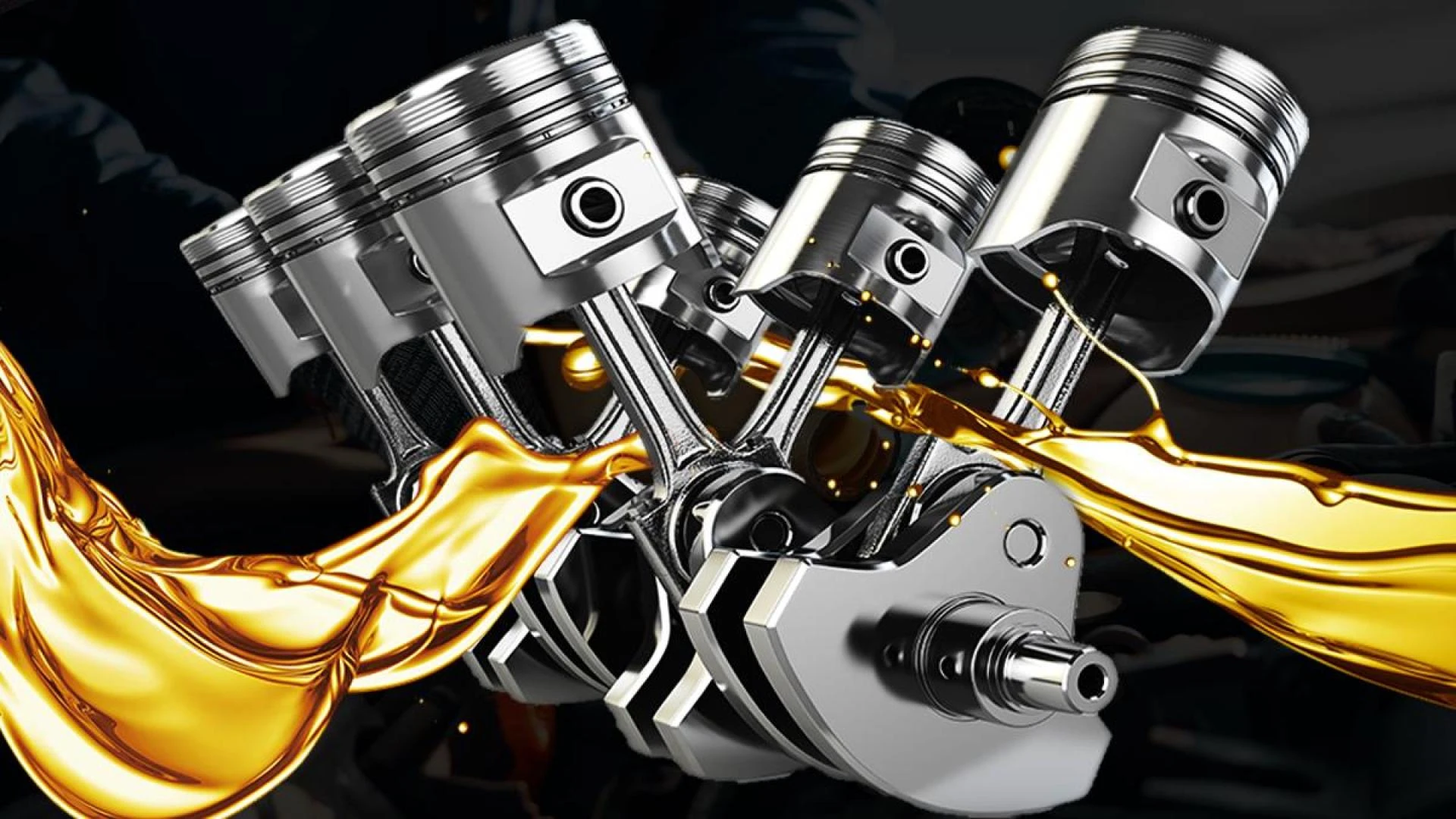

Every time you turn on your vehicle, your engine hums to life. There's a quiet process that takes place beneath the hood—metal parts spinning, rubbing, heating up, and working in perfect sync. But what keeps these parts running so smoothly? Definitely, good lubrication. And not just any lubricant fully synthetic engine oil, that is engineered to handle the pressure, heat, and stress that your engine endures every day.
But here’s the catch. No matter how premium your engine oil is, it will never last forever.
So, car owners often ask themselves, “How often should I change the engine oil?” This question doesn’t have a one-size-fits-all answer. The correct oil change interval depends on various factors such as vehicle type, driving habits, engine condition, and manufacturer recommendations.
This blog highlights the science, the signs, and the real-world best practices behind replacing your vehicle's engine oil at the right time and using the right grade of fully synthetic oil suitable for your vehicle.
How Is Fully Synthetic Oil Made?
Fully synthetic engine oil is a laboratory-engineered lubricant made from highly refined chemical compounds. Unlike conventional mineral oils that are derived from crude petroleum, synthetic oils undergo controlled molecular restructuring to remove impurities and boost performance.
This lubrication oil results in:
- Superior heat resistance
- Better lubrication under high-stress conditions
- Improved fuel efficiency
- Extended engine life
Because of its stability under extreme temperatures and load, fully synthetic engine oil is widely recommended for modern vehicles, especially for high-performance or turbocharged engines.
How Often Should You Change Fully Synthetic Engine Oil?
General Recommendations Based on Manufacturer Guidelines
For the majority of passenger vehicles, the general recommended oil change advisory is between 10,000 to 15,000 kilometers, or 6 months to 1 year—whichever comes first.
That's only a guideline, though. Oil doesn’t wear out at the same rate for everyone. Your driving habits, climate, engine load, and even stop-and-go traffic are factors that can make a big difference.
Mileage-Based Intervals
If you want to know the mileage when you'd need to switch to a fully synthetic engine oil, keep in mind:
- For normal city driving: Every 10,000 to 12,000 kilometers
- For highway driving or for long drives: Every 12,000 to 15,000 kilometers
- For high-performance cars: Every 7,000 to 10,000 kilometers
Note: Always double-check these numbers with your car's make and model.
Manufacturer Guidelines Matter Most
Always consult your car's owner's manual. If the manufacturer recommends a 10,000 km frequency for synthetic oil, follow that. Brands like Honda, Toyota, BMW, and Volkswagen have different calibration and oil consumption profiles. One-size-fits-all doesn't work here.
Signs That It’s Time to Change Your Engine Oil
Warning Lights
Most modern cars are equipped with oil change indicators or check engine lights. When illuminated, they signal either low oil pressure or degraded oil condition.
Engine Noise
Engine knocking, ticking, or loud operation often means oil is no longer effectively lubricating the moving parts.
Dark or Dirty Oil
Clean synthetic oil has a clear, amber appearance. If the oil on your dipstick is dark, gritty, or smells burnt, it’s time for a change—even if you haven't hit the mileage limit.
Drop in Fuel Efficiency
If you notice your car’s mileage decreasing, poor lubrication might be increasing engine strain. Fresh fully synthetic engine oil can help restore performance.
Advantages of Choosing Fully Synthetic Engine Oil
Longer Drain Intervals
One of the biggest advantages of fully synthetic engine oil is that it has a longer oil change interval. While traditional oils that need to be changed every 5,000 km, synthetic oils last a lot longer, lowering maintenance cost and frequency.
Better Engine Cleanliness
Synthetic oils are resistant to sludge formation and breakdown. This keeps engine internals clean, enabling smooth performance even at high RPMs and long journeys.
Improved Performance in Extreme Conditions
Whether you’re driving in scorching heat or freezing cold, synthetic oil maintains its viscosity and performance, providing superior protection compared to traditional lubricants.
Why You Shouldn’t Wait Too Long?
Delaying oil changes causes more than just dirty oil. It allows micro-metal particles, carbon, and acids to circulate freely. Over time, this erodes engine surfaces, causes sludge buildup, and clogs oil passages.
Synthetic oil is forgiving, but not immune to negligence. Using fully synthetic engine oil gives you more buffer room. But eventually, even the best formula of engine oil breaks down and degrades performance.
Ways to Check When You Need To Change Your Engine Oil
Check the Dipstick
After every 1,000–2,000 kilometers, check your oil level and condition. Wipe the dipstick, reinsert it, and inspect the level and appearance.
Keep an Eye on Consumption Level
Some engines burn a small amount of oil between changes, even when using fully synthetic engine oil. Track oil levels regularly and top up if needed.
Pay Attention to Performance Changes
If your car starts running rough, makes unusual sounds, or feels less responsive, check your oil as one of the first diagnostics. Change it if required or visit your nearby garage if you feel something is wrong.
Best Practices for Changing Your Vehicle’s Engine Oil
When it comes to keeping your car running like new, a few mindful habits go a long way—especially when you're dealing with something as vital as your vehicle’s engine oil.
Always Use Manufacturer-Approved Grades
Not all synthetic oils are the same. Choose the correct viscosity and API-certified oil grade for your vehicle. Your owner’s manual will specify what grade your engine needs—like 5W-30 or 0W-20.
Don't improvise here. Even the best fully synthetic engine oil will perform poorly if it’s the wrong specification for your engine.
Change the Oil Filter Every Time
Your oil filter traps contaminants. If you only change the oil and keep the old filter, you’re reintroducing dirt into your clean oil. Always change the filter along with the oil.
Keep Track of the Oil Change Interval
Maintain a record of oil changes, mileage, and the type of oil used. This not only helps in timely servicing but also adds value during resale.
Stick to One Trusted Oil Brand
Mixing different oil formulations may compromise performance. Once you find a brand that meets your engine’s requirements and performs well, stick with it.
Breaking Common Myths About Fully Synthetic Oil
#Myth 1: Synthetic Oil Lasts Forever
Even though synthetic oils last longer than conventional oils, they do not last forever. Oxidation, heat, and contaminants eventually degrade even the best-quality fully synthetic engine oil.
#Myth 2: Once You Switch to Synthetic, You Can’t Go Back
Switching between oil types (synthetic to conventional or vice versa) won't harm the engine, provided the grade of oil utilized is suitable for your vehicle.
#Myth 3: Synthetic Oil Causes Leaks in Older Engines
This is a common misconception. Modern fully synthetic engine oils are formulated with advanced seal conditioners that are compatible with older engines. While they may expose pre-existing leaks by cleaning away sludge that was temporarily sealing them, they do not cause new leaks.
Read more : The Future of High Temperature Grease: Innovations and Eco-Friendly Options
Final Thoughts
As car owners, we often connect with our vehicles beyond functionality. Whether it’s your first car, your daily commuter, or a family sedan, it becomes part of your everyday story.
Changing your radiator oil with a fully synthetic engine oil on time isn’t just about ticking off a maintenance task—it’s about protecting your investment, your safety, and your peace of mind.
So the next time your service reminder pops up or you glance at the odometer, don’t put it off. Because sometimes, the smallest habits like timely oil changes lead to beautiful journeys ahead.
































Sign in to leave a comment.