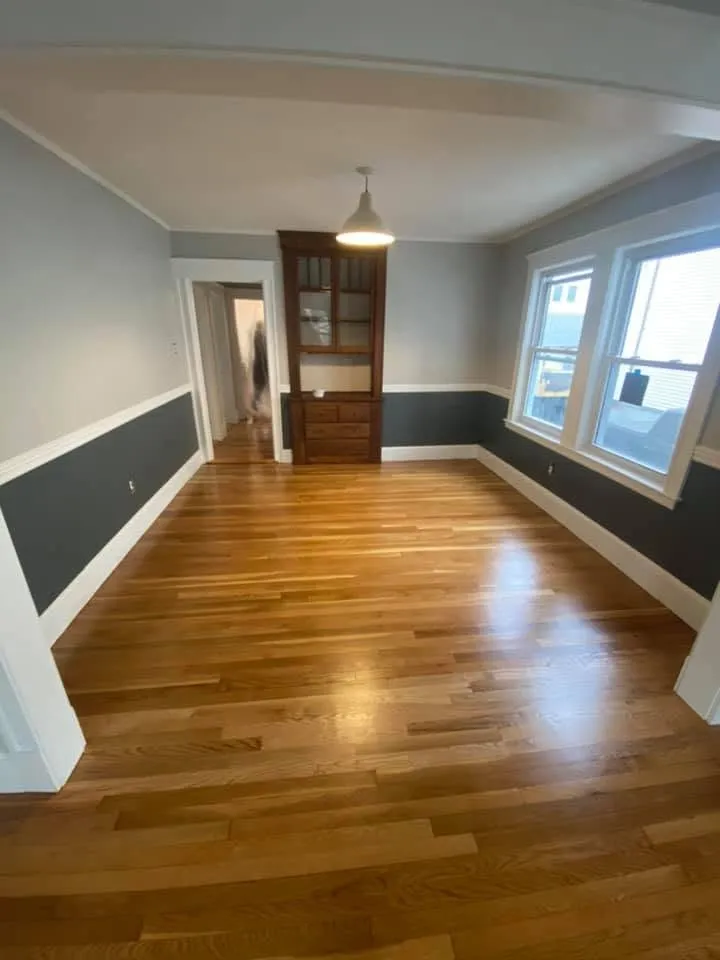

Maintaining a freshly painted home involves more than enhancing curb appeal. Quality paint serves as a protective barrier against moisture, UV exposure, temperature fluctuations, and everyday wear. For homeowners in Massachusetts, understanding when to repaint can help preserve property value, protect building materials, and reduce the likelihood of costly repairs.
If you have recently searched for painters in your area, you may be wondering how often your home actually needs a new coat of paint. The answer depends on several factors, including the age of the property, exterior materials, weather exposure, maintenance practices, and the quality of previous paint applications.
How Often Should Exterior Paint Be Updated?
Massachusetts experiences a wide range of weather conditions, including snowy winters, humid summers, and frequent seasonal changes that can affect painted surfaces.
As a general guideline, homeowners can expect the following repainting schedules:
- Wood siding: Approximately every 5–7 years
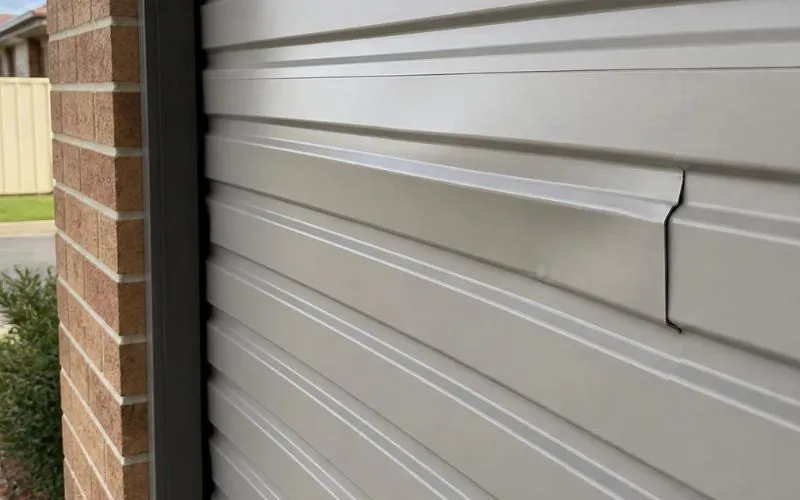
- Aluminum siding: Approximately every 5–10 years
- Fiber cement siding: Approximately every 10–15 years or longer with proper maintenance
- Painted brick: Approximately every 15–20 years, depending on moisture exposure and surface condition
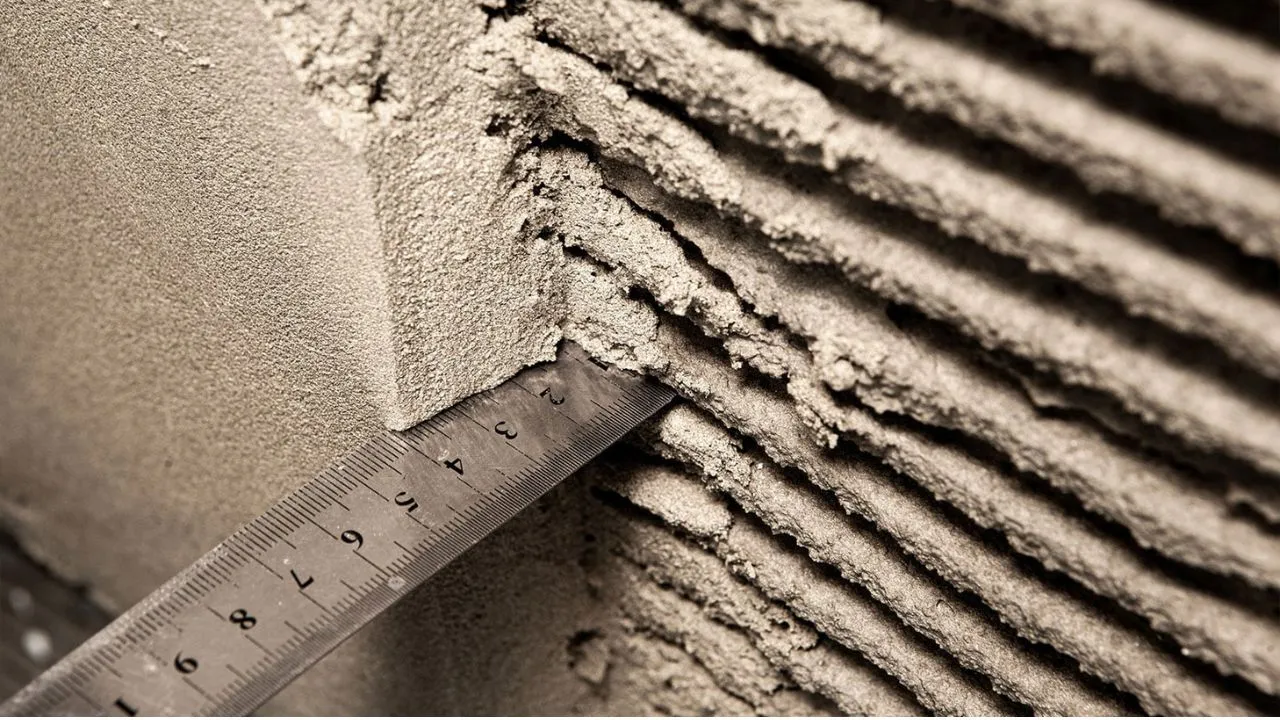
- Stucco: Approximately every 5–10 years
Homes exposed to intense sunlight, excessive moisture, coastal conditions, or severe weather may require repainting more frequently.
Signs Your Exterior Needs Repainting
Rather than relying solely on a timeline, homeowners should regularly inspect exterior surfaces for signs of deterioration.
Common indicators include:
- Peeling, cracking, or flaking paint
- Noticeable color fading
- Bubbling or blistering surfaces
- Exposed or weathered wood
- Mildew, mold, or moisture-related damage
- Chalking residue on painted surfaces
Addressing these issues early can help prevent more extensive damage and prolong the life of exterior materials.
How Often Should Interior Walls Be Painted?
Interior repainting schedules vary depending on room usage, household activity, and overall wear.
Living Rooms and Dining Rooms
Typically every 5–7 years
These spaces generally experience moderate traffic and can maintain their appearance for several years when properly maintained.
Bedrooms
Typically every 5–8 years
Adult bedrooms often require less frequent repainting because walls are subject to relatively little wear and tear.
Children's Bedrooms
Typically every 2–4 years
Children's rooms often accumulate scuffs, marks, and stains more quickly and may require updates as preferences change over time.
Kitchens and Bathrooms
Typically every 3–5 years
These rooms are exposed to moisture, steam, cooking residue, and frequent cleaning, all of which can accelerate paint deterioration.
Hallways and Entryways
Typically every 3–5 years
As some of the most frequently used areas of a home, hallways and entryways often show signs of wear sooner than other rooms.
Factors That Affect Paint Longevity
Several factors influence how long paint lasts in Massachusetts homes.
Quality of Paint
Higher-quality paints generally offer better coverage, stronger adhesion, enhanced durability, and longer-lasting protection than lower-grade products.
Surface Preparation
Proper preparation—including cleaning, sanding, caulking, repairing damaged areas, and priming—plays a critical role in paint performance and longevity.
Weather Conditions
Massachusetts weather can be particularly demanding on exterior surfaces. Snow, ice, rain, humidity, and UV exposure all contribute to paint deterioration over time.
Ongoing Maintenance
Routine inspections and timely repairs can help extend the lifespan of painted surfaces and prevent minor issues from becoming major problems.
Benefits of Repainting on Time
Delaying repainting can lead to more than cosmetic concerns. Maintaining painted surfaces on a proactive schedule can provide several advantages, including:
- Protection against moisture intrusion
- Enhanced curb appeal
- Preservation of property value
- Reduced risk of wood rot and material deterioration
- Improved interior aesthetics
- Lower long-term maintenance and repair costs
Taking a preventative approach often helps homeowners avoid more expensive restoration work in the future.
Why Homeowners in Brookline Trust Professional Painters
When selecting a painting contractor, homeowners often look for professionals who understand local climate conditions, surface requirements, and industry best practices.
For those considering Residential Painting in Brookline, MA, working with an experienced painting company can provide:
- Thorough surface preparation
- High-quality materials and coatings
- Proper application techniques
- Long-lasting, durable finishes
- Attention to detail throughout the project
Experienced painting professionals can evaluate your home's specific conditions and recommend an appropriate maintenance and repainting schedule.
Final Thoughts
There is no one-size-fits-all answer to how often a home should be painted in Massachusetts. While most interior spaces benefit from repainting every 3–8 years and many exterior surfaces every 5–15 years, the ideal schedule depends on factors such as surface material, weather exposure, paint quality, and ongoing maintenance.
If you are noticing signs of wear or simply want to refresh your home's appearance, consulting a qualified painting contractor can help determine the best time to repaint. For homeowners considering Residential Painting in Brookline, MA, professional guidance can help ensure attractive, long-lasting results that protect and enhance the value of the property for years to come.
























Sign in to leave a comment.