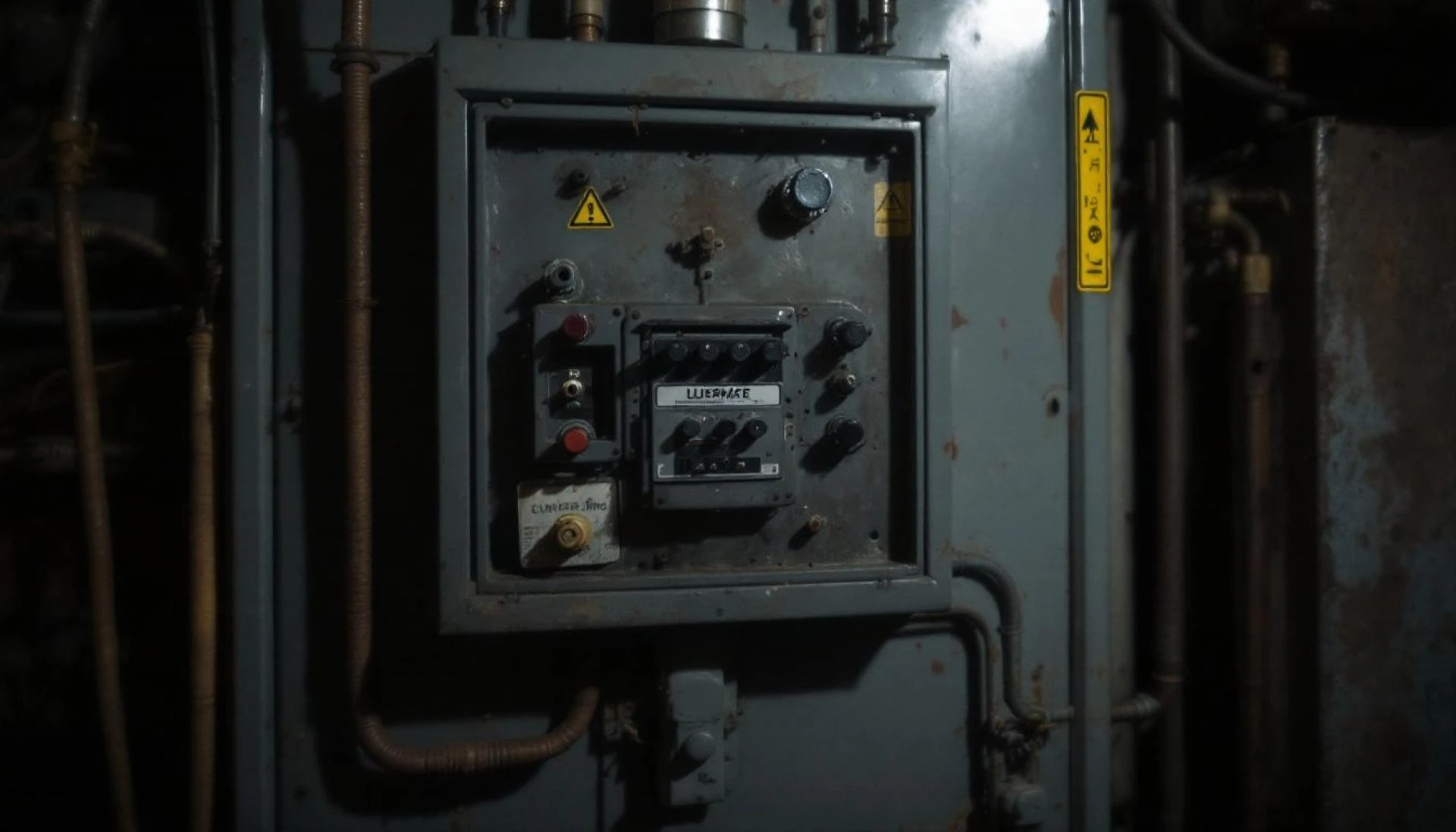

Are your lights flickering? Is your circuit breaker tripping more often than it should? These could be signs that your home’s electrical wiring needs attention. Over time, wires age and may no longer meet the demands of modern households, potentially leading to safety hazards.
Experts generally recommend rewiring a home every 25 to 40 years, depending on the condition of the wiring and your home’s electrical needs. In this guide, we’ll explore the key indicators that it might be time to rewire, factors that influence rewiring frequency, and the benefits of keeping your electrical system up to date.
Signs That It’s Time to Rewire Your Home

If you’re experiencing any of the following issues, it may be time to consider rewiring your house:
Frequent Circuit Breaker Trips
When circuit breakers trip often, it’s usually a sign that your electrical system is struggling to handle the load. This could indicate outdated or damaged wiring that needs replacing. A licensed electrician can inspect your system and recommend whether rewiring or upgrades are necessary.
Flickering or Dimming Lights
Lights that flicker or dim without an obvious cause can point to aging wires or overloaded circuits. These issues shouldn’t be ignored, as they may lead to more serious problems like electrical fires. If you notice this happening frequently, it’s time to have your wiring checked.
Burning Smells or Discolored Outlets
A burning smell or outlets that appear discolored are red flags for overheating wires. These issues are not only inconvenient but also dangerous, as they can increase the risk of electrical fires. Contact an electrician immediately if you notice these signs.
Outdated Wiring Types
Older homes often have aluminum wiring or knob-and-tube systems, which are not designed to handle today’s electrical demands. These outdated systems can overheat and pose safety risks. If your home still uses these types of wiring, it’s worth consulting a professional about upgrading.
Factors That Influence How Often You Should Rewire
The frequency of rewiring depends on several factors:
1. Age of Your Home
Older homes are more likely to have outdated wiring systems that don’t meet current safety standards. While newer electrical systems can last 40 to 70 years, it’s generally recommended to rewire older homes every 25 to 40 years for safety and functionality.
2. Frequency of Electrical Issues
If you’re frequently dealing with tripped breakers, flickering lights, or other electrical problems, these could be signs that your wiring is no longer adequate for your household’s needs.
3. Changes in Electrical Demand
Modern lifestyles demand more electricity than ever before due to appliances, electronics, and smart home systems. If you’ve recently added new appliances or renovated your home, you might need to upgrade your wiring to handle the increased load.
Benefits of Rewiring Your Home
Rewiring isn’t just about fixing problems—it also comes with several long-term benefits:
Improved Safety
Old or damaged wiring increases the risk of electrical fires and other hazards. Rewiring ensures your home meets modern safety standards, giving you peace of mind.
Enhanced Energy Efficiency
Upgrading your electrical system can reduce energy waste and lower utility bills by eliminating inefficiencies in older wiring.
Increased Home Value
A modern electrical system makes your home more appealing to potential buyers and can boost its resale value. Buyers appreciate knowing they won’t have to deal with costly upgrades after purchasing a property.
How to Get Started with Rewiring
If you suspect it’s time to rewire your house, here’s how you can begin:
Step 1: Consult a Licensed Electrician
A licensed electrician can assess your home’s wiring and determine whether rewiring is necessary. They’ll conduct a thorough inspection and provide expert advice tailored to your home’s unique needs.
Step 2: Schedule an Electrical Inspection
Regular inspections help identify potential issues before they become major problems. Even if you’re not experiencing obvious signs of trouble, an inspection every few years is a good idea—especially for older homes.
Conclusion
Rewiring your home is an investment in safety, efficiency, and peace of mind. While newer systems may last several decades, experts recommend rewiring every 25 to 40 years depending on factors like the age of your house and changes in electrical demand.
If you’re noticing signs like frequent breaker trips, flickering lights, or burning smells—or if you live in an older home—it’s worth consulting a licensed electrician for an inspection. By staying proactive about maintaining your electrical system, you’ll ensure a safer and more efficient home for years to come.
Don’t wait until small issues turn into big problems—reach out to a trusted professional today!


































Sign in to leave a comment.