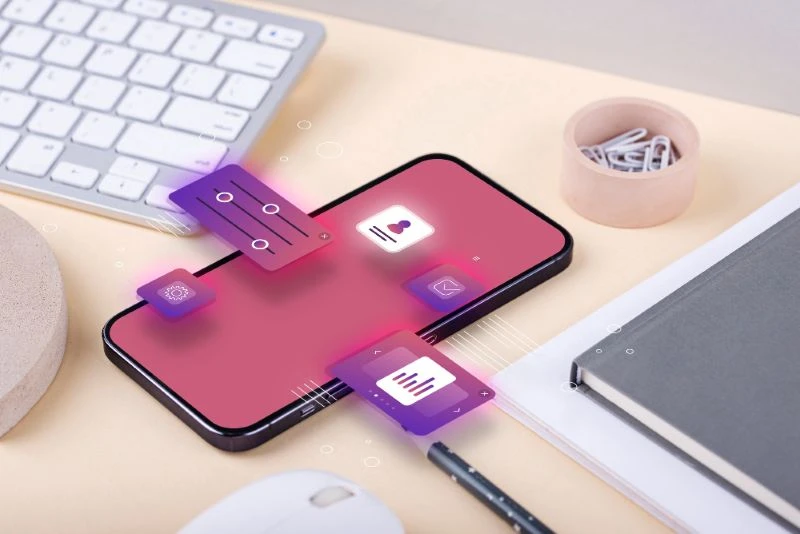

The way we live, shop, work, and consume services has changed dramatically—and it’s not slowing down. In 2026, customers expect instant access, real-time updates, and seamless digital experiences. Whether it’s booking a ride, ordering groceries, hiring a professional, or streaming entertainment, everything is expected on demand.
At the heart of this shift lies on-demand app development, a powerful business enabler that is reshaping industries and redefining customer expectations. In this article, we’ll explore how on-demand apps are transforming modern businesses, why they’ve become essential in 2026, and how companies can leverage them to stay competitive in a fast-moving digital economy.
What Is On-Demand App Development?
On-demand app development refers to building mobile or web applications that allow users to instantly request and receive products or services in real time. These apps connect customers with service providers through a simple, intuitive interface—often supported by GPS tracking, secure payments, AI recommendations, and real-time notifications.
Think about how ride-hailing apps, food delivery platforms, streaming services, and home-service marketplaces work. They’re all built around the same core idea: immediate access with minimal friction.
Why On-Demand Apps Are More Important Than Ever in 2026
1. Customer Expectations Have Changed Permanently
Today’s customers don’t just prefer convenience—they demand it. Waiting days for services or navigating complex processes feels outdated. In 2026, speed, personalization, and transparency are non-negotiable.
On-demand apps meet these expectations by:
- Reducing wait times
- Offering real-time tracking
- Providing personalized recommendations
- Ensuring frictionless payments
Businesses that fail to deliver this level of convenience risk losing customers to more agile competitors.
2. Mobile-First Behavior Is the New Normal
Smartphones have become the primary gateway to the digital world. People now manage their daily tasks—from shopping and banking to healthcare and entertainment—through apps.
On-demand app development helps businesses:
- Reach customers directly on their devices
- Build stronger brand engagement
- Offer consistent experiences across platforms
This mobile-first approach is no longer optional; it’s a survival strategy.
Key Industries Being Transformed by On-Demand Apps
Transportation and Mobility
Ride-hailing, bike rentals, and car-sharing services have completely reshaped urban mobility. Real-time location tracking, dynamic pricing, and instant booking have made transportation more efficient and user-friendly.
Businesses benefit from better fleet utilization, while customers enjoy faster and more flexible travel options.
Food and Grocery Delivery
Food delivery apps were just the beginning. Today, grocery, pharmacy, and essentials delivery have become everyday necessities. Businesses are leveraging on demand grocery delivery app development to offer same-day or even one-hour delivery, meeting the needs of busy, convenience-driven consumers.
This shift has allowed local stores, supermarkets, and large retailers to compete digitally without relying solely on physical foot traffic.
Healthcare and Wellness
From telemedicine consultations to on-demand fitness trainers, healthcare has embraced instant access. Patients can now book appointments, consult doctors, and receive prescriptions without long wait times.
For healthcare providers, on-demand platforms improve operational efficiency and patient satisfaction while expanding reach beyond traditional clinics.
Home Services and Professional Solutions
Plumbers, electricians, cleaners, and freelancers are now just a tap away. On-demand platforms connect service providers with customers in real time, creating flexible earning opportunities and reliable service access.
This model benefits both sides—providers get steady work, and customers get verified professionals quickly.
How On-Demand App Development Is Changing Business Models
1. From Ownership to Access
Instead of owning products, consumers increasingly prefer accessing services when needed. Subscription models, pay-per-use, and service-based pricing are becoming the norm.
On-demand apps make this transition seamless by managing bookings, payments, and service delivery automatically.
2. Data-Driven Decision Making
On-demand apps generate valuable data—user behavior, preferences, peak usage times, and feedback. Businesses can analyze this data to:
- Improve services
- Optimize pricing
- Launch targeted marketing campaigns
In 2026, companies that use data intelligently gain a significant competitive advantage.
3. Scalability Without Heavy Infrastructure
Traditional expansion often requires physical locations and large investments. On-demand apps allow businesses to scale digitally—entering new markets with minimal overhead.
This flexibility makes it easier for startups and established brands alike to grow rapidly and sustainably.
The Role of Technology in Modern On-Demand Apps
AI and Machine Learning
Artificial intelligence powers smarter recommendations, demand forecasting, and customer support chatbots. Apps now learn user preferences and deliver highly personalized experiences.
Cloud Computing and APIs
Cloud-based infrastructure ensures apps remain fast, secure, and scalable—even during peak demand. APIs allow seamless integration with third-party services like payment gateways, maps, and analytics tools.
Enhanced Security and Trust
With more digital transactions happening daily, security is critical. Modern on-demand apps use advanced encryption, biometric authentication, and fraud detection to protect user data and build trust.
Choosing the Right Development Partner
Building a successful on-demand app requires more than just coding. Strategy, user experience, scalability, and post-launch support all play a vital role. Partnering with an experienced on demand app development company ensures that businesses get a solution tailored to their goals, industry, and audience.
The right partner helps with:
- Market research and feature planning
- UI/UX design
- Technology stack selection
- Ongoing maintenance and updates
Challenges Businesses Should Be Aware Of
While the benefits are significant, on-demand app development does come with challenges:
- High competition in popular niches
- User retention and engagement
- Managing service quality at scale
However, with the right strategy and execution, these challenges can be transformed into long-term opportunities.
The Future of On-Demand Apps Beyond 2026
Looking ahead, on-demand platforms will become even more intelligent and immersive. We can expect:
- Deeper AI-driven personalization
- Integration with IoT devices
- Voice-based and AR-powered experiences
Businesses that invest early and innovate continuously will be best positioned to lead in this evolving landscape.
Conclusion: Embrace On-Demand or Risk Being Left Behind
On-demand app development is no longer a trend—it’s a fundamental shift in how businesses operate and serve customers. In 2026, companies that prioritize speed, convenience, and digital-first experiences are the ones winning customer loyalty and market share.
Whether you’re a startup or an established enterprise, partnering with a reliable on demand app development company can help you unlock new revenue streams, improve customer satisfaction, and future-proof your business.
The takeaway? If your business isn’t thinking on-demand yet, now is the time to start. The future belongs to brands that deliver value instantly—right when customers need it.


Sign in to leave a comment.