

In 2026, businesses aren’t just “going digital”—they’re competing on experience, speed, and personalization. And at the center of this shift is one powerful driver: mobile and web applications. Whether it’s a startup launching its first product or an enterprise scaling globally, apps are no longer optional they’re a growth engine.
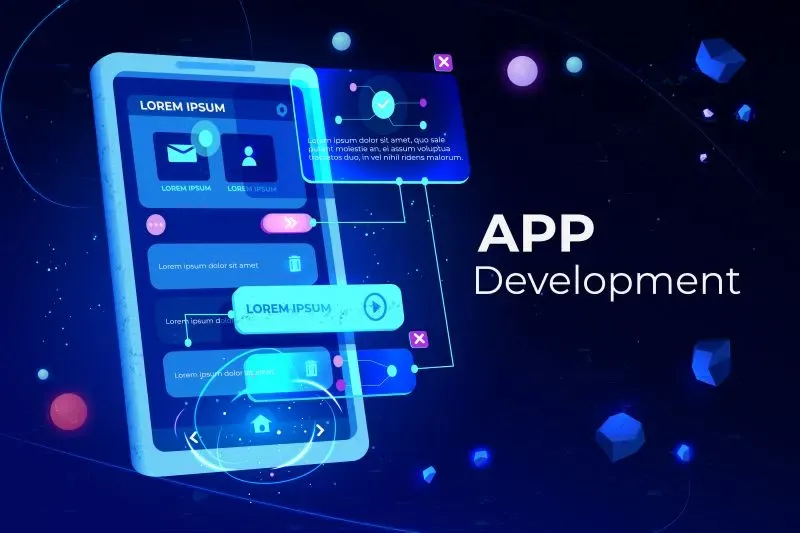
This article breaks down how app development services are actively fueling business growth in 2026, what trends are shaping this evolution, and why companies that invest strategically in apps are outperforming their competitors.
The Shift: From Digital Presence to Digital Experience
A few years ago, having a website was enough. Today, users expect seamless, fast, and personalized experiences across devices. Apps deliver exactly that.
Modern consumers:
- Prefer apps over browsers for convenience
- Expect real-time responses and personalization
- Value intuitive interfaces and smooth performance
Businesses that meet these expectations don’t just attract users—they retain them.
That’s where app development services come into play. They help companies design, build, and optimize applications that align with evolving user behavior.
Why Apps Are a Growth Multiplier in 2026
1. Direct Customer Engagement
Apps create a direct communication channel between businesses and users. Unlike social media or search engines, where algorithms control visibility, apps give you full access to your audience.
With features like:
- Push notifications
- In-app messaging
- Personalized dashboards
Businesses can engage users in real time, increasing retention and lifetime value.
Example:
E-commerce apps sending personalized offers based on browsing history see significantly higher conversion rates than traditional email campaigns.
2. Data-Driven Decision Making
Apps generate valuable user data—behavior patterns, preferences, and usage trends. This data helps businesses:
- Understand what users want
- Optimize features and UX
- Make informed product decisions
In 2026, companies leveraging app analytics are making faster and smarter decisions compared to competitors relying on guesswork.
3. New Revenue Streams
Apps open doors to multiple monetization models:
- Subscription-based services
- In-app purchases
- Freemium models
- Ad-based revenue
For many businesses, apps are not just a support tool—they are a primary revenue channel.
Example:
Fitness brands now offer subscription-based workout apps, turning one-time customers into recurring revenue streams.
Key Technologies Powering App Growth
AI and Personalization
Artificial Intelligence is no longer a luxury—it’s a standard. Apps now adapt in real-time based on user behavior.
- Personalized recommendations
- Predictive search
- Smart automation
This level of personalization increases engagement and customer satisfaction.
Cloud Integration
Cloud-powered apps allow businesses to:
- Scale quickly
- Reduce infrastructure costs
- Ensure high performance globally
This is especially important for startups and fast-growing companies that need flexibility.
Cross-Platform Development
Businesses no longer need separate apps for iOS and Android. Cross-platform frameworks allow faster development with reduced costs.
This means:
- Faster time-to-market
- Consistent user experience
- Better ROI
How Different Industries Are Benefiting
Retail & E-commerce
Retail brands are using apps to:
- Offer personalized shopping experiences
- Enable one-click purchases
- Provide real-time order tracking
The result? Higher conversions and stronger customer loyalty.
Healthcare
Healthcare apps are transforming patient care:
- Telemedicine consultations
- Health tracking
- Appointment scheduling
These apps improve accessibility while reducing operational costs.
Fintech
Finance apps are making transactions seamless:
- Instant payments
- Investment tracking
- AI-driven financial advice
This convenience drives user adoption and trust.
Education
EdTech apps are redefining learning:
- On-demand courses
- Interactive content
- AI-based learning paths
This flexibility is attracting millions of users globally.
Competitive Advantage Through Customization
One major reason businesses invest in app development services is customization.
Off-the-shelf solutions may work initially, but they limit scalability and differentiation. Custom apps, on the other hand:
- Align with business goals
- Offer unique features
- Adapt as the business grows
In competitive markets, this flexibility becomes a key advantage.
Faster Go-To-Market = Faster Growth
Speed matters in 2026. The faster you launch, the quicker you learn and improve.
Modern development approaches like:
- Agile methodologies
- MVP (Minimum Viable Product) strategies
- Continuous integration and deployment
…allow businesses to release apps quickly, gather feedback, and iterate.
This cycle accelerates innovation and reduces the risk of failure.
Enhanced Customer Retention
Acquiring customers is expensive. Retaining them is where real growth happens.
Apps improve retention by:
- Offering consistent value
- Providing personalized experiences
- Making interactions effortless
Insight:
Users are far more likely to return to an app than revisit a website repeatedly.
Brand Building and Trust
A well-designed app strengthens brand perception. It signals:
- Professionalism
- Reliability
- Innovation
In crowded markets, this trust factor can be the difference between choosing your brand or a competitor.
Challenges Businesses Must Address
While apps offer massive growth potential, there are challenges:
Development Costs
High-quality apps require investment—but the ROI often outweighs the cost.
User Expectations
Users expect flawless performance. Even minor bugs can lead to uninstallations.
Security Concerns
With increasing cyber threats, app security is critical.
This is why choosing the right development partner matters.
What to Look for in App Development Partners
To maximize growth, businesses should look for:
- Strong technical expertise
- Experience across industries
- Focus on user experience
- Post-launch support and scalability
The right partner doesn’t just build an app—they contribute to your business strategy.
The Future: What’s Next for Apps?
Looking ahead, apps will become even more integrated into daily life through:
- AI-driven automation
- Voice and gesture interfaces
- AR/VR experiences
- Hyper-personalization
Businesses that invest early will stay ahead of the curve.
Conclusion: Apps Are No Longer Optional—They’re Essential
In 2026, growth isn’t just about having a great product—it’s about delivering it in the most accessible, engaging, and efficient way possible. Apps make that happen.
From improving customer engagement to unlocking new revenue streams, app development services are playing a central role in business success.
Key takeaway:
If you want to scale faster, build stronger customer relationships, and stay competitive, investing in the right app strategy is no longer a choice—it’s a necessity.
Now is the time to think beyond just “having an app” and start building one that truly drives growth.


























Sign in to leave a comment.