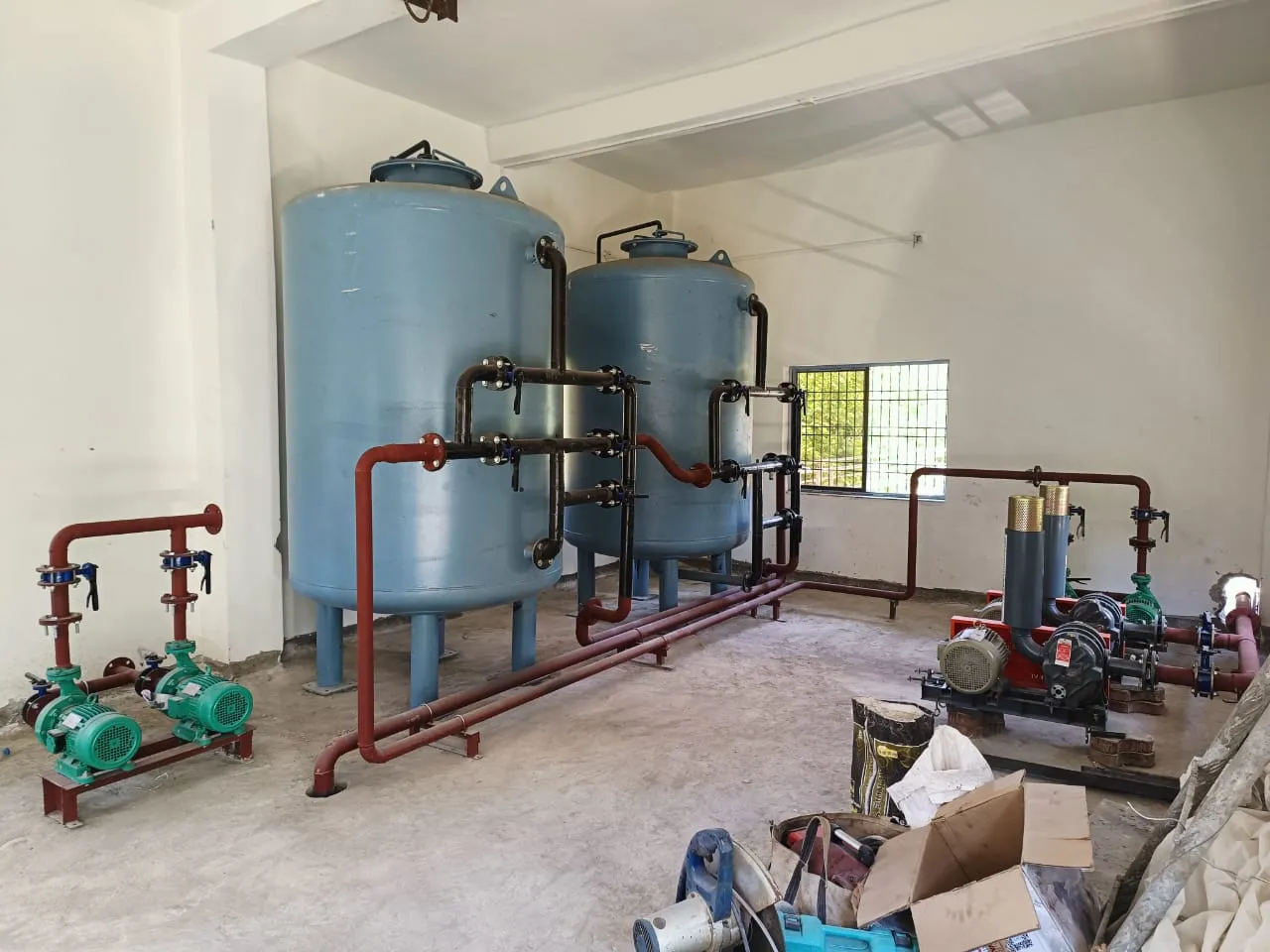

Hotels and resorts operate around the clock, generating large volumes of wastewater from guest rooms, kitchens, laundry facilities, swimming pools, and spa areas. Managing this wastewater responsibly isn't just a regulatory requirement — it's also an opportunity to reduce operational costs, support sustainability goals, and maintain the pristine environment guests expect. Choosing the right sewage treatment plant technology is central to achieving all of this efficiently.
With multiple STP technologies available today, hospitality businesses often struggle to identify which system best suits their property size, budget, and treated water reuse goals. This guide breaks down the most widely used STP technologies for hotels and resorts to help you make an informed decision.
Why Hotels and Resorts Need a Dedicated STP
Unlike residential buildings, hotels and resorts experience fluctuating wastewater loads depending on occupancy rates, seasonal tourism, and event bookings. A well-designed treatment plant must handle these variations while consistently producing treated water safe enough for landscaping, gardening, flushing, or cooling tower use. Additionally, many tourism boards and environmental authorities now mandate zero liquid discharge or safe effluent disposal, making an efficient STP a compliance necessity rather than a luxury.
Popular STP Technologies for Hospitality Properties
1. Sequential Batch Reactor (SBR) Technology
SBR systems treat wastewater in batches within a single tank, cycling through fill, react, settle, and decant phases. This technology is highly favored in the hospitality sector because it handles fluctuating flow rates well — an important factor given the variable occupancy patterns hotels experience throughout the year. SBR systems also have a relatively compact footprint, making them suitable for resorts with limited land availability.
Best for: Resorts with seasonal occupancy variations and space constraints
2. Moving Bed Biofilm Reactor (MBBR) Technology
MBBR technology uses specially designed plastic media that float within the aeration tank, providing a large surface area for bacteria to grow and break down organic pollutants. This process is highly efficient, requires a smaller footprint compared to conventional systems, and offers excellent resilience against shock loads — a common occurrence when a resort hosts a large event or experiences a sudden surge in guest check-ins.
Best for: Large hotels with heavy kitchen and laundry wastewater loads
3. Membrane Bioreactor (MBR) Technology
MBR systems combine biological treatment with membrane filtration, producing exceptionally high-quality treated water suitable for direct reuse in irrigation, flushing, or even certain non-potable applications. While MBR systems typically involve higher upfront investment, they deliver superior effluent quality and a smaller physical footprint, making them ideal for luxury resorts prioritizing sustainability credentials and premium landscaping.
Best for: Luxury resorts focused on water reuse and eco-certifications
4. Extended Aeration Activated Sludge Process
This is one of the more traditional and cost-effective technologies, relying on extended aeration periods to break down organic waste using activated sludge. While it requires a larger footprint than MBBR or MBR systems, it remains a reliable and economical choice for mid-sized properties with moderate wastewater generation and available land space.
Best for: Budget-conscious properties with adequate space
Key Factors When Choosing an STP for Your Property
- Guest capacity and occupancy patterns: Peak season loads should guide capacity planning
- Available land area: Compact technologies like MBBR or MBR suit space-constrained properties
- Treated water reuse goals: If you plan to reuse water for gardening or flushing, prioritize systems with higher effluent quality
- Operational and maintenance costs: Some technologies require more frequent monitoring and skilled operators
- Local regulatory requirements: Check discharge norms set by pollution control boards in your region
- Odor and noise control: Important for maintaining guest comfort, especially if the plant is located near guest areas
Benefits of Installing an Efficient STP
- Reduces dependency on freshwater for non-potable uses like irrigation and cooling
- Helps properties meet environmental compliance and sustainability certifications
- Minimizes water and sewage disposal costs over time
- Enhances brand reputation among environmentally conscious travelers
- Prevents foul odor and contamination issues on the property
Choosing the Right Partner for Installation
Selecting the right technology is only half the equation — proper design, sizing, and installation by experienced professionals ensures long-term performance and compliance. Providers like Cleantech Water specialize in designing customized sewage treatment plant solutions tailored specifically for hotels and resorts, factoring in occupancy patterns, space constraints, and reuse requirements to deliver systems that perform reliably year-round.
Final Thoughts
There's no one-size-fits-all answer when it comes to choosing an STP technology for hotels and resorts. The right choice depends on your property's size, guest capacity, available space, budget, and long-term sustainability goals. Investing time in proper technology selection today can lead to significant operational savings, regulatory peace of mind, and a stronger environmental reputation for years to come.
Frequently Asked Questions
Q1: Which STP technology is most cost-effective for small resorts?
Extended aeration activated sludge systems tend to be more economical for smaller properties with available land, as they require lower initial investment compared to MBR or advanced MBBR systems, though they do need more space.
Q2: Can treated wastewater from hotel STPs be reused?
Yes. Treated water from a properly functioning STP can typically be reused for gardening, landscaping, flushing, and cooling tower applications, significantly reducing a property's freshwater consumption.
Q3: How often does a hotel STP require maintenance?
Routine maintenance, including desludging, aeration system checks, and water quality testing, is generally recommended monthly, though high-occupancy properties may require more frequent monitoring to ensure consistent treatment performance.






















Sign in to leave a comment.