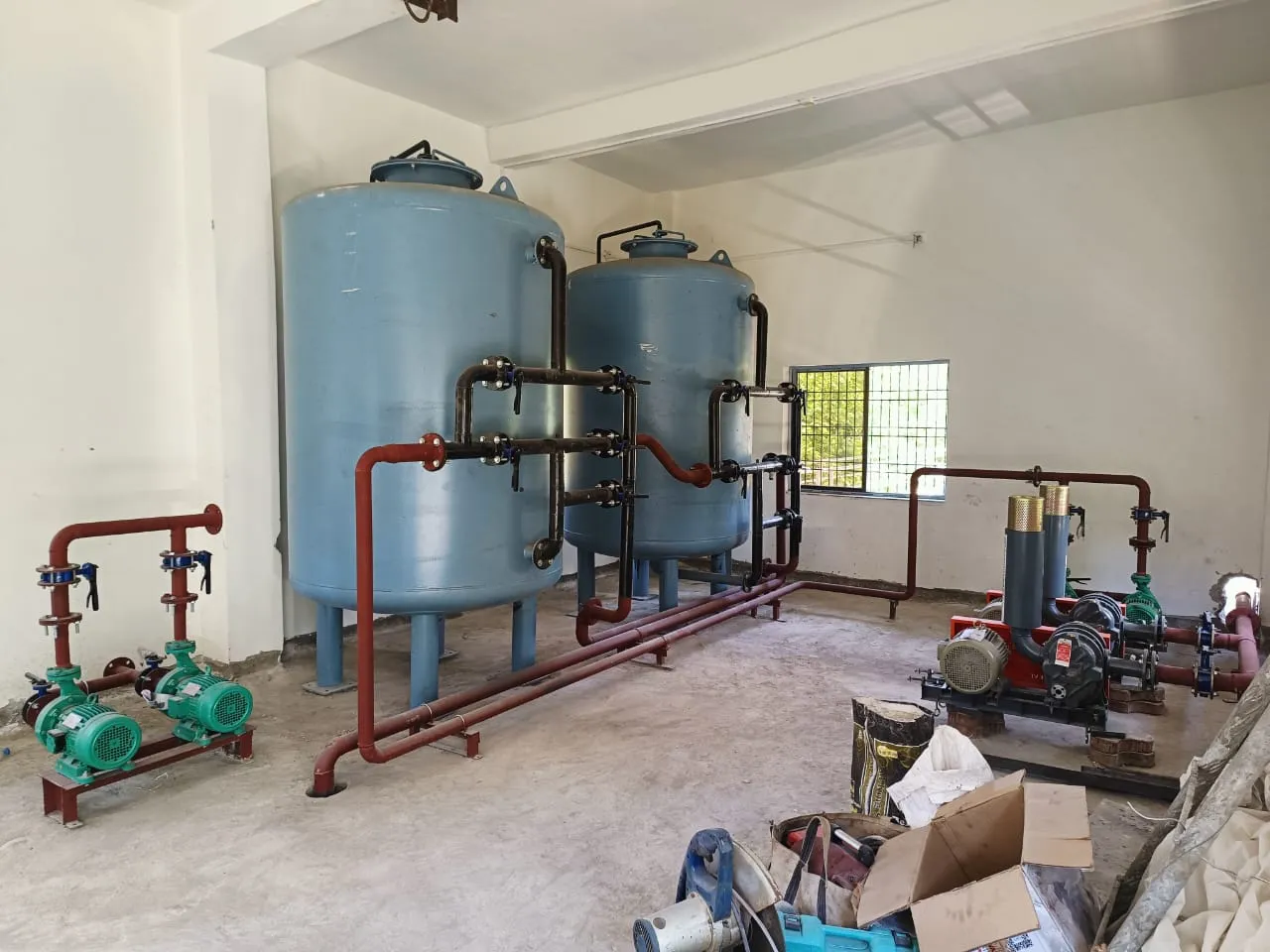

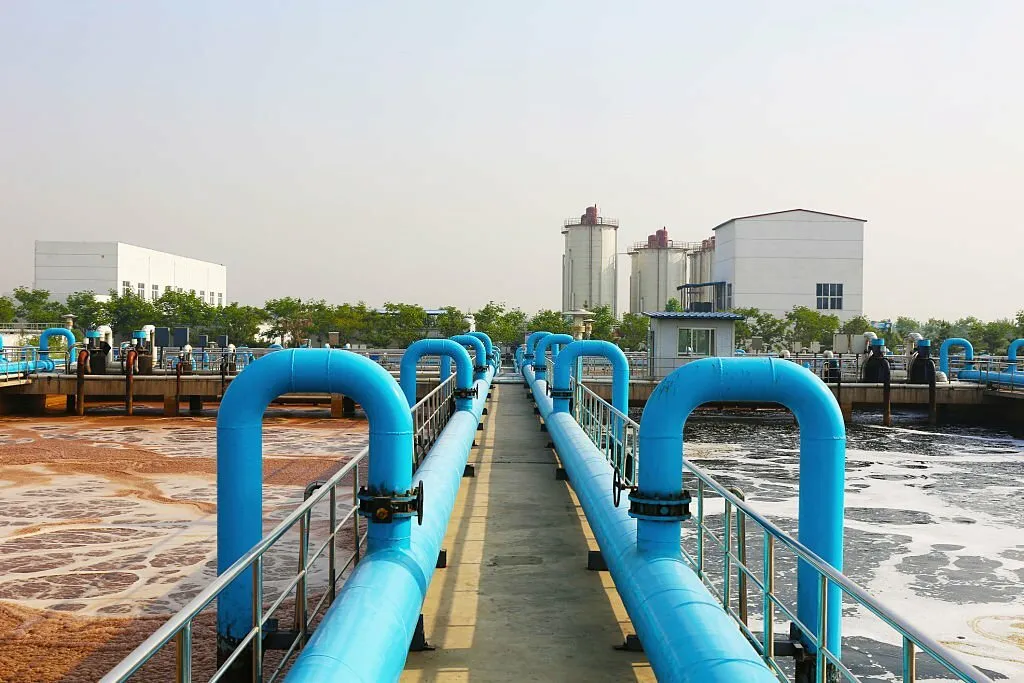
In industrial and commercial facilities, water plays a critical role in maintaining efficient operations. From cooling towers and boilers to HVAC systems and process equipment, water circulates continuously, carrying with it particles, suspended solids, and impurities. If left untreated, these contaminants can cause scaling, fouling, corrosion, and costly downtime. This is where a Side Stream Filter comes into the picture, offering a practical and efficient solution for maintaining water quality. In this blog, we will explain what a side stream filter is, how it works, and why it is essential for effective water treatment.
What is a Side Stream Filter?
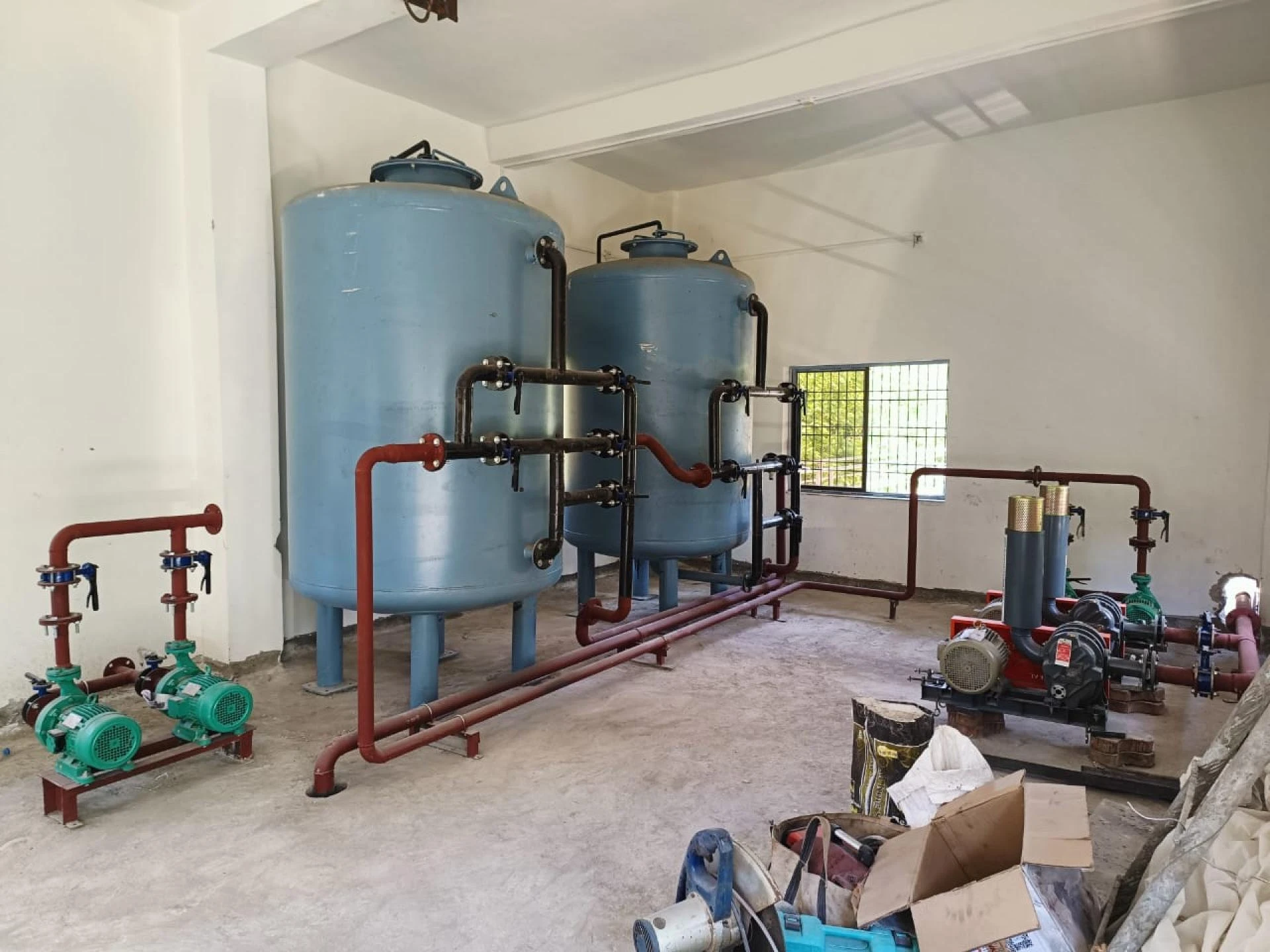
A Side Stream Filter is a specialized filtration system designed to remove suspended solids and particulate matter from a portion of circulating water in a cooling or process system. Unlike full-flow filters that treat the entire water stream, a side stream filter diverts only a percentage (typically 5%–15%) of the total water flow through the filter. The cleaned water is then returned to the system, ensuring continuous improvement in overall water quality.
This selective approach makes side stream filtration highly effective and energy-efficient, particularly in large-scale applications where filtering the entire water volume may not be feasible.
How Does a Side Stream Filter Work?
The working principle of a side stream filter is straightforward yet highly effective. Here’s a step-by-step breakdown:
- Water Diversion — A portion of the system’s water is directed into the side stream filtration unit.
- Filtration Process — The water passes through filter media or cartridges that capture suspended solids, dirt, organic matter, and corrosion by-products.
- Clean Water Return — The filtered water is reintroduced into the main water system, gradually reducing the concentration of impurities.
- Continuous Operation — This cycle runs continuously, ensuring consistent water quality without disrupting the main system flow.
Applications of Side Stream Filters
Side stream filters are versatile and find applications across industries, including:
- Cooling Towers — Prevents scaling, fouling, and microbial growth.
- HVAC Systems — Maintains clean chilled water loops and improves efficiency.
- Industrial Processes — Protects sensitive equipment from damage caused by particulates.
- Boilers — Reduces sludge formation and improves heat transfer.
- Water Recycling Systems — Enhances the quality of recycled water for reuse.
Why Side Stream Filtration is Essential for Water Treatment
1. Improves Water Quality
By continuously removing suspended solids, side stream filters keep water cleaner and reduce the overall particle load in the system. This prevents dirt, silt, and other contaminants from building up over time.
2. Prevents Scaling and Fouling
Scaling and fouling are common problems in cooling towers and boilers. They reduce heat transfer efficiency, increase energy costs, and shorten equipment life. A side stream filter minimizes these risks by keeping the circulating water clean.
3. Reduces Corrosion
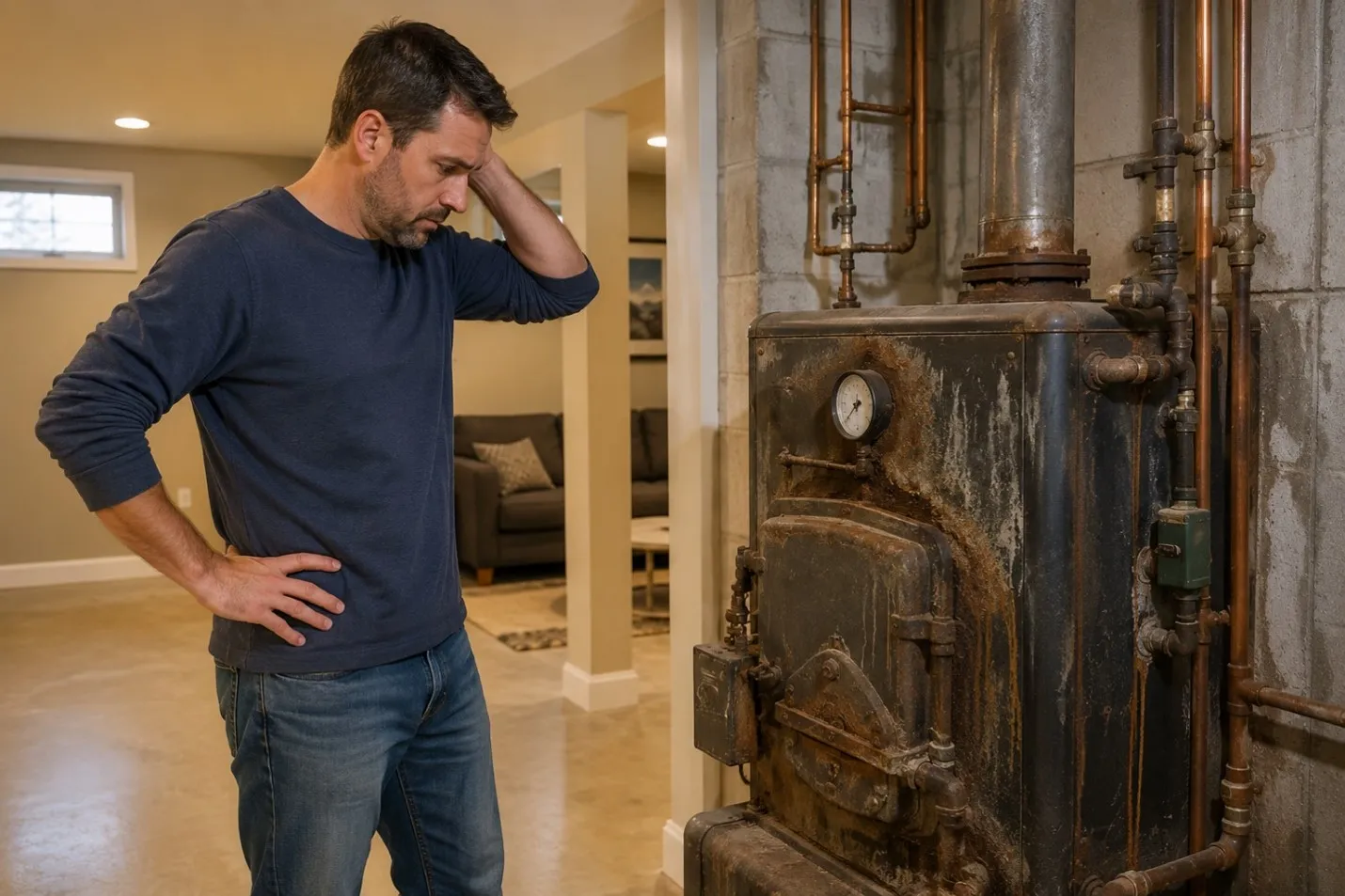
Corrosion is often accelerated by the presence of suspended particles that create localized deposits. By eliminating these particles, side stream filters help reduce corrosion and extend the life of piping, pumps, and heat exchangers.
4. Increases Equipment Efficiency
Clean water directly translates to better system performance. Whether in HVAC units, industrial machinery, or boilers, side stream filtration improves energy efficiency and reduces operational strain on equipment.
5. Lowers Maintenance Costs
With reduced scaling, fouling, and corrosion, maintenance requirements drop significantly. Facilities experience fewer shutdowns, less chemical usage, and longer intervals between cleanings.
6. Supports Sustainability Goals
Side stream filters help industries minimize water wastage by improving system efficiency and extending water reuse cycles. This supports both environmental sustainability and cost savings.
Types of Side Stream Filters
There are different types of side stream filters available, depending on system needs:
- Sand Filters — Use fine sand media to capture suspended solids.
- Cartridge Filters — Provide precise filtration for smaller particles.
- Bag Filters — Suitable for high dirt-holding capacity applications.
- Automatic Self-Cleaning Filters — Require minimal maintenance and offer continuous operation.
Choosing the right type depends on factors such as water quality, system size, and maintenance preferences.
Factors to Consider When Choosing a Side Stream Filter
- Flow Rate — The filter must handle 5–15% of system flow for optimal results.
- Particle Size — Identify the size of particles commonly present in your system water.
- Filter Media — Select appropriate filter media or cartridges based on contaminant load.
- System Compatibility — Ensure the filter integrates seamlessly with your existing system.
- Maintenance Needs — Consider whether manual cleaning or automated self-cleaning filters suit your operations.
The Long-Term Value of Side Stream Filtration
While side stream filters may seem like an additional investment, their long-term benefits far outweigh the costs. By preventing damage, reducing downtime, lowering chemical usage, and extending equipment lifespan, they deliver significant savings over time. Industries that rely on water-intensive processes cannot afford to overlook the value of continuous water quality management.
Conclusion
A Side Stream Filter is more than just a water treatment accessory — it is a necessity for industries that rely on clean, efficient, and reliable water circulation systems. From improving water quality to extending equipment life and reducing costs, side stream filtration offers numerous advantages. For organizations looking to maintain operational efficiency while achieving sustainability goals, investing in the right side stream filter is a smart choice.
At Cleantech Water, we specialize in advanced filtration solutions that help industries maintain optimal water quality and system performance. By integrating side stream filters into your water treatment process, you ensure cleaner water, lower maintenance, and higher efficiency across your operations.


























Sign in to leave a comment.