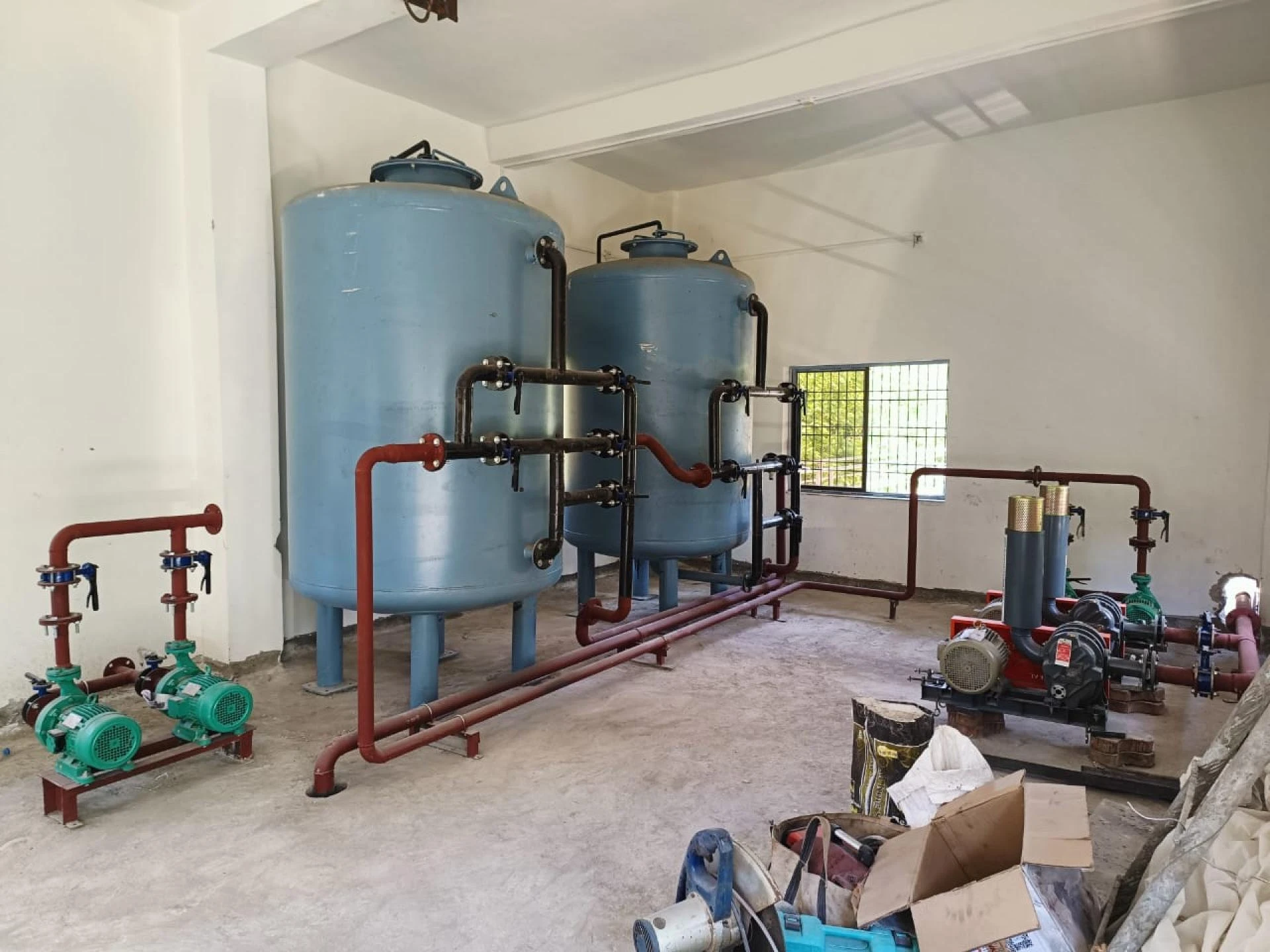

Sewage treatment plants operate in some of the harshest environments imaginable. Constant exposure to moisture, chemicals, gases, and biological contaminants makes these facilities highly vulnerable to corrosion, structural damage, and premature wear. To ensure long-term performance and reduce maintenance costs, selecting the right protective coatings for sewage treatment plants is not just important—it is essential.
This guide will help you understand why protective coatings matter, the types available, and how to choose the most suitable solution for your facility.
Why Protective Coatings Are Critical in Sewage Treatment Plants
Sewage treatment facilities handle wastewater filled with organic matter, chemicals, and harmful gases such as hydrogen sulfide. These elements can quickly degrade concrete and metal surfaces if left unprotected.
Protective coatings serve multiple purposes:
- Corrosion Resistance: Prevent chemical and microbial corrosion of metal and concrete structures
- Extended Lifespan: Increase the durability of tanks, pipelines, and equipment
- Reduced Maintenance Costs: Minimize frequent repairs and downtime
- Improved Hygiene: Create smooth, non-porous surfaces that resist microbial growth
Without proper coatings, even high-quality infrastructure can fail prematurely, leading to costly repairs and operational disruptions.
Common Challenges in Sewage Treatment Environments
Before choosing a coating system, it’s important to understand the conditions it must withstand:
- Chemical Exposure: Acids, alkalis, and salts present in wastewater
- Moisture and Immersion: Continuous exposure to water or submerged conditions
- Gas Corrosion: Hydrogen sulfide can form sulfuric acid, damaging concrete
- Abrasion: Solid particles can erode surfaces over time
- Temperature Variations: Fluctuations can cause expansion and contraction
A suitable coating must be able to handle all or most of these challenges simultaneously.
Types of Protective Coatings for Sewage Treatment Plants
Different coatings are designed for specific conditions. Here are the most commonly used types:
1. Epoxy Coatings
Epoxy coatings are widely used due to their excellent adhesion and chemical resistance. They form a strong, durable layer that protects both metal and concrete surfaces.
Benefits:
- High resistance to chemicals and moisture
- Strong bonding with substrates
- Long-lasting performance
Best for: Tanks, pipelines, and submerged surfaces
2. Polyurethane Coatings
Polyurethane coatings are known for their flexibility and resistance to abrasion. They are often used as a topcoat over epoxy systems.
Benefits:
- UV resistance
- High flexibility
- Smooth and aesthetic finish
Best for: External surfaces and areas exposed to sunlight
3. Polyurea Coatings
Polyurea is a fast-curing coating that provides exceptional waterproofing and chemical resistance.
Benefits:
- Quick application and curing
- High durability
- Seamless waterproof layer
Best for: Areas requiring rapid installation and minimal downtime
4. Cementitious Coatings
These coatings are commonly used for concrete structures and offer good resistance to moisture and mild chemicals.
Benefits:
- Cost-effective
- Easy to apply
- Suitable for damp surfaces
Best for: Concrete tanks and walls
5. Anti-Corrosive Coatings
Specifically designed for metal structures, these coatings prevent rust and corrosion caused by exposure to wastewater and gases.
Benefits:
- Protects steel components
- Enhances structural integrity
- Reduces maintenance frequency
Best for: Steel pipelines, supports, and machinery
Factors to Consider When Choosing Protective Coatings
Selecting the right coating requires careful evaluation of several factors:
1. Type of Substrate
Different materials such as concrete, steel, and plastic require different coating systems. Ensure compatibility between the coating and the surface.
2. Exposure Conditions
Consider whether the surface will be:
- Fully submerged
- Frequently wet
- Exposed to chemicals or gases
Each condition demands a specific type of coating.
3. Durability Requirements
For high-traffic or high-wear areas, choose coatings with strong abrasion resistance and long service life.
4. Application Method
Some coatings require specialized equipment and skilled labor. Evaluate whether your facility can support the application process.
5. Maintenance and Lifecycle Cost
While some coatings may have a higher upfront cost, they can offer significant savings in the long run by reducing maintenance and replacement expenses.
Best Practices for Coating Application
Even the best coating can fail if not applied correctly. Follow these best practices to ensure optimal performance:
- Surface Preparation: Clean and prepare surfaces thoroughly to ensure proper adhesion
- Correct Thickness: Apply coatings at the recommended thickness for maximum protection
- Environmental Conditions: Ensure proper temperature and humidity during application
- Regular Inspection: Monitor coated surfaces for early signs of damage
Professional application and quality control are key to achieving long-lasting results.
The Role of Quality and Expertise
Choosing high-quality coatings is only part of the solution. Working with experienced professionals ensures that the coating system is correctly selected and applied based on your plant’s specific requirements.
Companies like Cleantech Water specialize in advanced water and wastewater treatment solutions, including the selection and implementation of effective protective coatings tailored to different operational environments.
Future Trends in Protective Coatings
With advancements in material science, protective coatings are becoming more efficient and environmentally friendly. Some emerging trends include:
- Eco-friendly Coatings: Low-VOC and sustainable formulations
- Smart Coatings: Self-healing and corrosion-detecting technologies
- Enhanced Durability: Longer-lasting coatings with minimal maintenance
These innovations are helping sewage treatment plants improve efficiency while reducing environmental impact.
Conclusion
Choosing the right protective coatings for sewage treatment plants is crucial for ensuring durability, efficiency, and cost-effectiveness. By understanding the challenges of wastewater environments and selecting coatings that match your specific needs, you can significantly extend the life of your infrastructure.
From epoxy and polyurethane to advanced polyurea systems, each coating offers unique benefits. The key lies in proper selection, expert application, and ongoing maintenance.
Investing in the right protective coatings today will save time, money, and resources in the future—while ensuring your sewage treatment plant operates smoothly and reliably for years to come.




















Sign in to leave a comment.