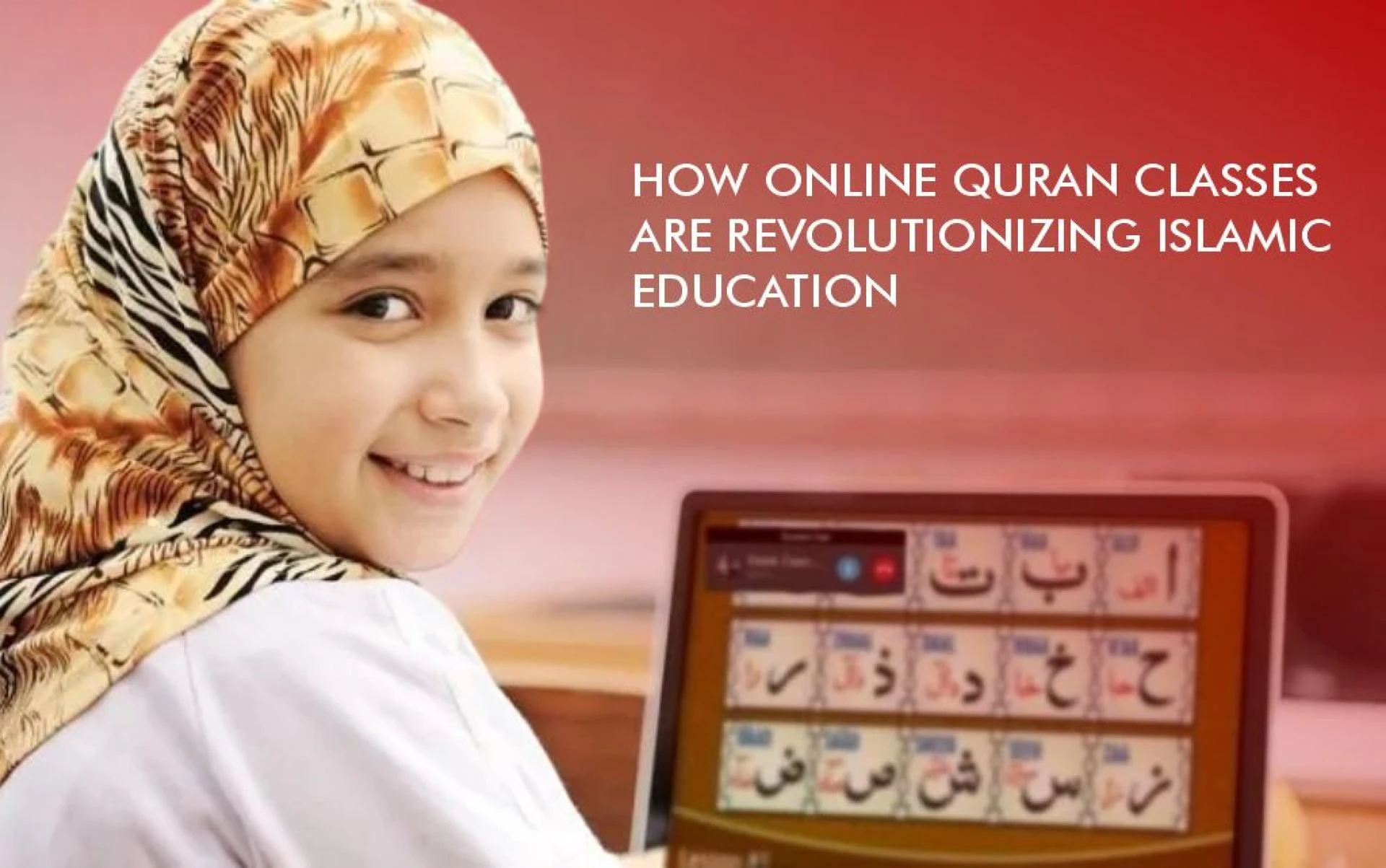
Not long ago, learning the Quran meant attending local madrasas, sitting with teachers after school, or gathering at the mosque for lessons. While these traditions remain valuable, the digital era has changed how knowledge is shared and accessed. Today, online Quran classes are not only making Islamic education more accessible but also reshaping how Muslims around the world connect with their faith.
From busy parents who want their children to learn Quran at home, to working professionals seeking flexible schedules, to Muslims in countries with limited access to qualified teachers, online Quran learning has opened doors that were once hard to imagine.
In this article, we’ll explore how online Quran classes are transforming Islamic education, why they are so effective, and what makes them the future of religious learning. Along the way, we’ll share practical examples, personal insights, and the real-life impact these programs are making worldwide.
Breaking Geographical Barriers
One of the biggest challenges Muslims face in non-Muslim majority countries is finding qualified Quran teachers. For families living in places like rural Europe, North America, or even remote areas in Africa and Asia, this was often an obstacle.
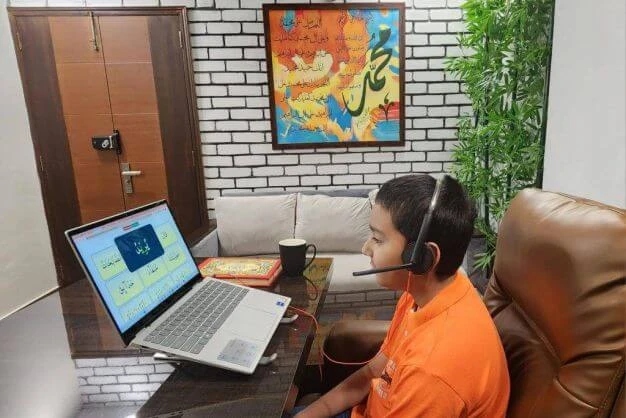
Online Quran classes have eliminated this barrier. With just an internet connection, students can now access certified teachers from Egypt, Pakistan, Saudi Arabia, or anywhere else. A child in Canada can learn Tajweed from a teacher in Cairo, while a professional in London can join tafseer sessions with a scholar in Karachi.
This global access has created a sense of unity. Families often share how their children feel more connected to the wider Muslim ummah because they are learning directly from teachers overseas. It’s no longer limited to what the local community can provide.
Flexibility for Modern Lifestyles
In today’s fast-paced world, time is a luxury. Parents juggle work, school, and family responsibilities, while students face academic and extracurricular pressures. Traditional Quran classes often clashed with these schedules.
Online Quran classes solve this problem with flexible timings. Families can book lessons in the evening after dinner, early mornings before school, or even on weekends. If a class is missed, many platforms allow rescheduling.
A working mother once shared that online Quran classes were the only way her children could learn consistently. With soccer practice, schoolwork, and family events, finding time for the mosque was difficult. Now, a simple video call ensures her kids stay on track with their learning.
This flexibility also benefits adults. Many professionals who couldn’t attend local classes now use their lunch breaks or quiet late-night hours to recite, memorize, or study tafseer online.
Personalized One-on-One Attention
One of the standout benefits of online Quran education is personalized attention. In many traditional settings, a teacher may guide 15 to 20 students at once, making it hard to focus on individual progress.
Online classes, however, are often one-on-one. The teacher adjusts to the student’s pace, whether fast or slow. If a child struggles with certain letters in Tajweed, the teacher can dedicate extra time until the student masters it. Similarly, adults can focus on specific areas—recitation, tafseer, or hifz—based on personal goals.
Parents have shared that their children feel less intimidated in one-on-one online settings compared to group classes. They are more comfortable asking questions and making mistakes, which accelerates their learning.
Technology as a Tool for Deeper Understanding
Online Quran platforms are not just about video calls. Many integrate modern tools to make learning more engaging and effective.
- Interactive whiteboards allow teachers to write, highlight, and explain verses visually.
- Digital Tajweed guides help students practice correct pronunciation.
- Recording features let students replay lessons to revise difficult parts.
- Apps and quizzes make memorization more structured and fun.
For example, some programs gamify Quran memorization with badges, progress trackers, and friendly challenges. Children especially respond to these methods, treating learning like an exciting journey rather than a chore.
This use of technology makes Islamic education more relatable for younger generations who are already comfortable with digital platforms.
Making Quran Education Affordable
In many places, hiring a private Quran tutor can be costly, especially if families need specialized teachers for Tajweed or Hifz. Online classes, however, often provide affordable packages because teachers can reach a wider global audience without the expenses of travel or physical classrooms.
Some platforms offer pay-per-lesson options, while others provide monthly subscriptions. Families can choose what fits their budget and needs. This affordability has made Quran education accessible to more households, breaking the misconception that quality Islamic learning is only for those who can afford private tutors.
Building a Safe and Comfortable Environment
Parents often worry about their children’s safety when sending them to physical classes, especially late evenings at mosques or centers far from home. Online Quran classes eliminate this concern. Children can learn from the safety of their homes under parental supervision.
Additionally, many parents feel more comfortable knowing exactly what is being taught since they can occasionally sit in on the lessons. Transparency builds trust and strengthens the bond between teachers, students, and families.
Preserving Tradition While Embracing the Future
Critics sometimes argue that online classes lack the “spiritual atmosphere” of learning in a mosque or madrasa. While this concern is valid, many families find that online classes complement, rather than replace, traditional experiences.
Students still attend Friday prayers, community events, and local halaqas, but online classes provide consistency that may otherwise be missing. In fact, many teachers encourage students to apply what they learn online during in-person gatherings, ensuring that the balance between tradition and modernity is maintained.
This hybrid approach—using technology without losing spiritual roots—shows that Islamic education is evolving while staying true to its foundation.
Conclusion: The Future of Islamic Education is Here
Online Quran classes are not just a passing trend. They represent a significant shift in how Muslims access, learn, and teach the Quran. By breaking geographical barriers, offering flexible schedules, personalizing attention, and integrating modern tools, they are making Islamic education more inclusive than ever before.
Whether you are a parent looking for a reliable teacher for your child, a busy professional seeking flexibility, or someone starting your Quran journey later in life, online classes provide the opportunity to learn at your own pace, from the comfort of your home.
The Quran has always been a guide for all times. Today, technology is helping us connect with it in ways that fit our modern lives without compromising authenticity.
Ready to begin your journey? Explore trusted online Quran platforms and take the first step toward a stronger connection with the Book of Allah.



























Sign in to leave a comment.