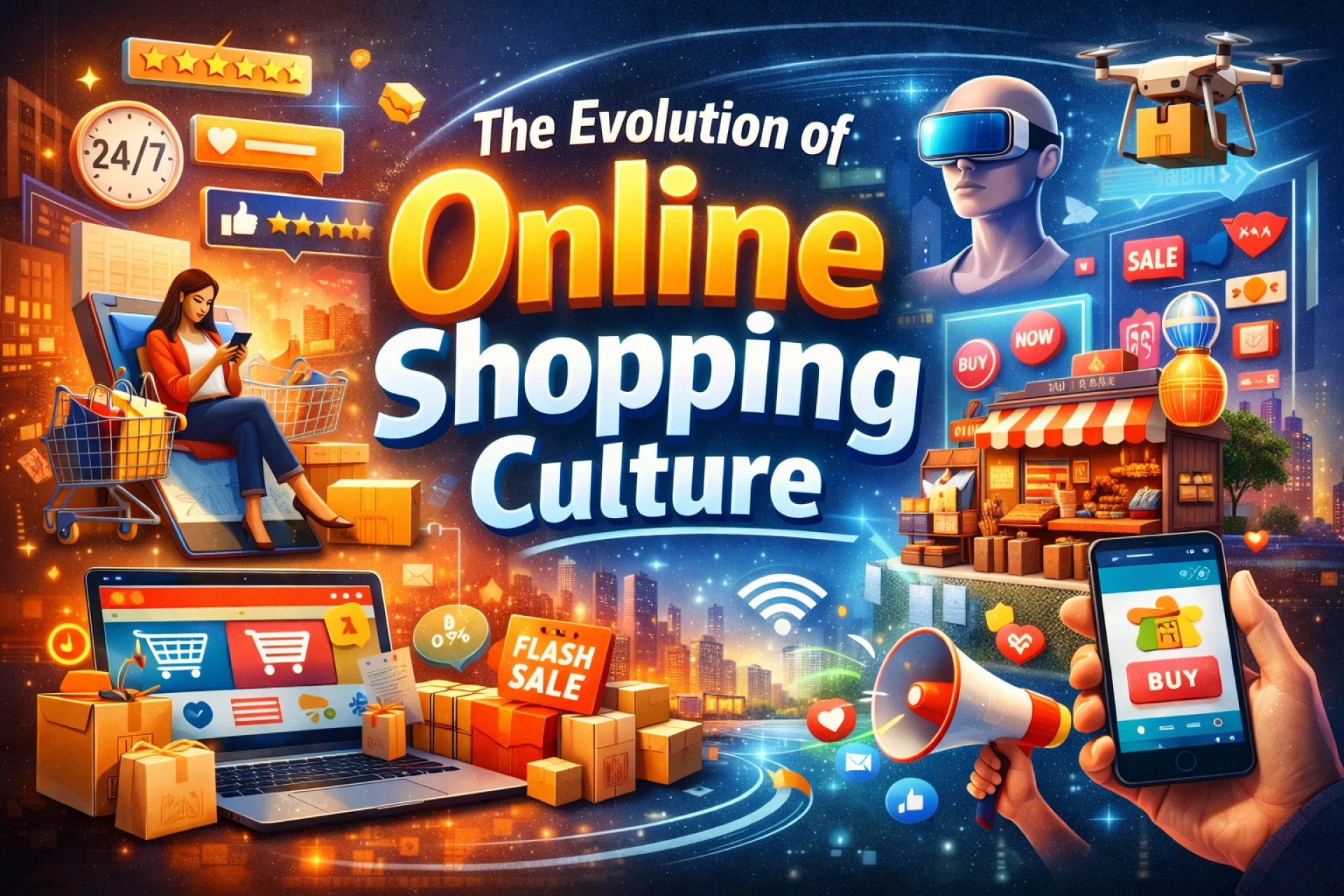

Online retail has completely transformed modern shopping culture. What was once a physical, time-consuming activity has now become a digital experience driven by speed, convenience, and personalisation. This shift is not just changing how people buy—it is changing how they think about shopping.
In the past, shopping meant visiting crowded markets, negotiating prices, and spending hours searching for the right product. Today, consumers can browse thousands of products within minutes, compare prices instantly, and place orders from anywhere. This digital transformation has made shopping faster, smarter, and more user-centric than ever before.
Changing Consumer Expectations
One of the most noticeable changes is consumer expectations. Today’s buyers expect fast delivery, easy returns, and 24/7 availability. They want to shop whenever and wherever they want, without being limited by store timings or locations. Online retail fulfils these expectations perfectly.
Customers now demand seamless experiences. They expect user-friendly websites, secure payment options, and responsive customer support. If a platform fails to meet these standards, users quickly switch to competitors. This has forced online retailers to continuously improve their services and focus on customer satisfaction.
Convenience has become the top priority. People prefer digital platforms because they save time, effort, and travel costs. This lifestyle shift has made online shopping an essential part of daily life.
Role of Reviews and Social Proof
Another major cultural shift is the importance of reviews and social proof. People trust other consumers more than traditional advertisements. Before purchasing, they read feedback, watch unboxing videos, and check ratings.
This behaviour has created a more transparent and competitive market. Businesses can no longer rely on marketing claims alone; they must deliver real value and quality. A single negative review can influence hundreds of potential customers, making reputation management crucial for online sellers.
Social proof has also empowered consumers. Buyers now feel more confident making decisions based on real experiences shared by others.
Impulse Buying and Digital Psychology
Online retail has also encouraged impulse buying. Flash sales, limited-time offers, and personalised recommendations push users to make quick decisions. The psychology of discounts and convenience plays a huge role in modern digital shopping habits.
E-commerce platforms use data analytics to understand consumer behaviour and display targeted offers. When users see relevant products at discounted prices, they are more likely to make unplanned purchases.
This has changed the emotional side of shopping. Instead of being a planned activity, shopping has become spontaneous and influenced by digital triggers.
Lower Entry Barriers for Businesses
From a business perspective, online retail has significantly lowered entry barriers. Entrepreneurs no longer need huge investments to start selling. There is no need for expensive shop rent, large staff, or physical infrastructure.
With platforms like BazarPKR, sellers can conveniently showcase their products, manage inventory, and process customer orders through a single platform, creating new opportunities for small businesses, freelancers, and home-based entrepreneurs.
Digital platforms allow sellers to reach nationwide audiences, which was nearly impossible through physical stores alone. This accessibility has encouraged innovation and healthy competition in the market.
Lifestyle and Behavioural Changes
Additionally, online shopping has influenced lifestyle patterns. People now plan purchases around online deals instead of visiting physical markets. Subscriptions, digital coupons, and loyalty programs have become part of daily consumer behaviour.
Consumers wait for sales events, festive discounts, and promotional campaigns to make purchases. This strategic buying behaviour reflects a shift towards smarter financial decisions.
Online shopping has also made price awareness more common. Customers compare multiple platforms before buying, ensuring they get the best value for money.
Growth of Local Brands
Cultural preferences are also evolving. Local brands are gaining visibility alongside international ones. Online platforms give equal exposure to small sellers, which helps promote local products and innovation.
Previously, large brands dominated physical markets due to high visibility and marketing budgets. Now, even small businesses can compete through quality products and strong digital presence.
This has strengthened local entrepreneurship and reduced dependence on imported goods.
Impact Beyond Shopping
The impact of online retail goes beyond shopping—it affects employment, marketing strategies, and even urban planning. As more businesses move online, demand for digital skills like SEO, content writing, social media marketing, and e-commerce management continues to grow.
New job roles such as digital marketers, data analysts, UX designers, and online store managers are becoming increasingly important. This shift is creating a digital workforce aligned with modern economic needs.
Urban infrastructure is also adapting. With fewer people visiting physical markets, businesses are focusing more on warehouses and logistics centres rather than retail outlets.
Future of Modern Shopping Culture
Looking ahead, online retail will continue to reshape modern shopping culture. Artificial intelligence, voice search, augmented reality, and virtual shopping experiences will further enhance user engagement.
Consumers will be able to try products virtually, receive voice-based recommendations, and enjoy personalised shopping journeys. These innovations will make digital retail more immersive and interactive.
Conclusion
In conclusion, online retail is not just a business model; it is reshaping modern shopping culture itself. It has changed consumer expectations, business strategies, and lifestyle habits.
With the rise of platforms like BazarPKR, shopping is becoming smarter, faster, and more aligned with the digital lifestyle of today’s consumers. Online retail is no longer the future—it is the present reality of global commerce.



Sign in to leave a comment.