

Introduction
In recent years, digital mental health services have expanded rapidly, making care more accessible for individuals dealing with complex psychological conditions. Approaches such as online therapy for bipolar disorder have helped normalize virtual support systems, showing that structured psychological care can be delivered effectively beyond traditional clinic settings. This shift has also opened the door for more consistent management of chronic conditions that require long-term attention and monitoring.
Within this evolving landscape, conditions such as bipolar disorder have gained increased focus due to their need for continuous mood monitoring and timely intervention. Key approaches like ptsd therapy online, teletherapy for mood disorders, and virtual psychiatric care are now being integrated into mainstream mental health treatment, offering patients flexible yet structured support that aligns with their daily realities.
Understanding Bipolar Disorder and Stability Challenges
Bipolar disorder is a long-term mental health condition characterized by alternating episodes of mania, hypomania, and depression. These mood shifts can significantly disrupt relationships, work performance, and overall quality of life. One of the core challenges in managing the condition is maintaining emotional stability over time, as episodes can vary in intensity and frequency.
Traditional in-person therapy often provides strong clinical support, but accessibility barriers such as travel time, scheduling conflicts, and stigma can limit consistent engagement. This inconsistency may lead to gaps in treatment, which can increase the risk of relapse or unmanaged symptoms. Stability in bipolar disorder is closely linked to continuity of care, making regular therapeutic contact a critical component of long-term management.
Role of Online Therapy in Mood Regulation
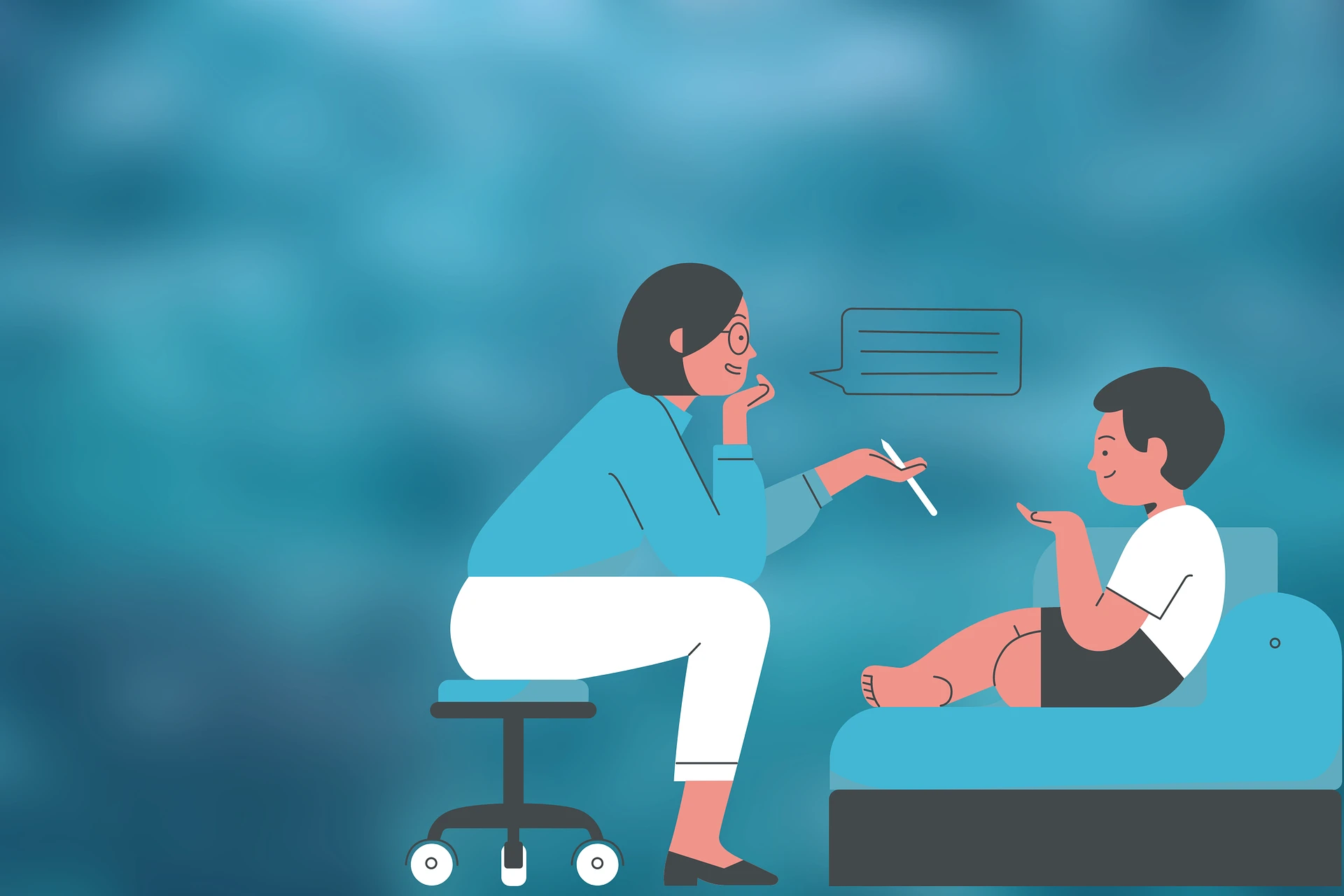
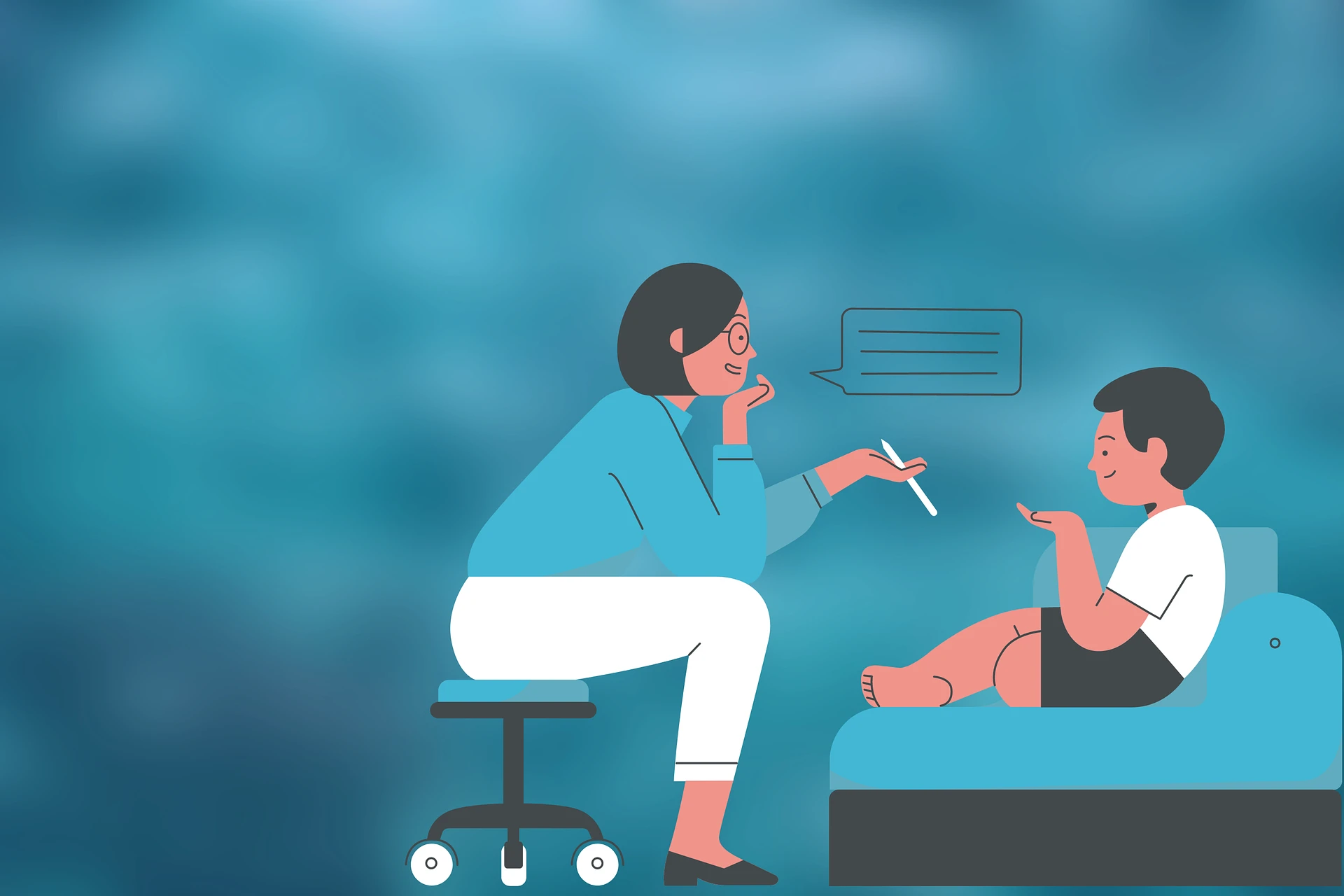
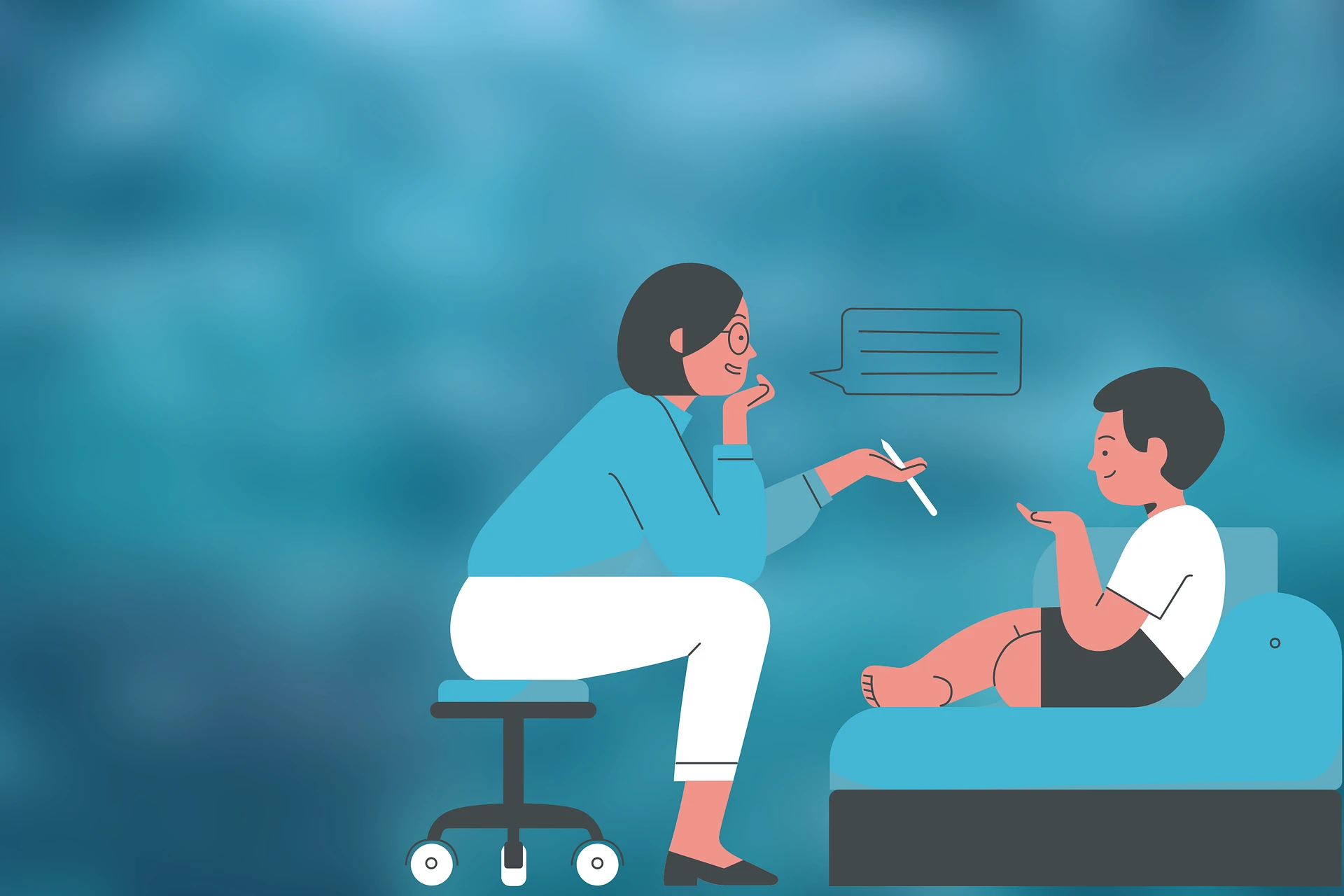
Online therapy introduces a structured yet flexible model of care that can significantly improve mood regulation for individuals with bipolar disorder. Through video sessions, messaging platforms, and digital monitoring tools, therapists can maintain more frequent contact with patients, allowing for earlier detection of mood changes.
This continuous connection helps patients build greater self-awareness regarding triggers and early warning signs of mood shifts. For example, a patient experiencing early symptoms of mania may be able to communicate changes in sleep patterns or energy levels before the episode escalates. This real-time communication enables therapists to adjust coping strategies or treatment recommendations more promptly than traditional appointment-based systems.
Therapeutic Approaches Used Online
Several evidence-based therapies are effectively delivered through online platforms to support bipolar disorder management. Cognitive Behavioral Therapy (CBT) is one of the most widely used approaches, helping patients identify and reframe negative thought patterns that contribute to depressive episodes.
Psychoeducation is another critical component, as it equips patients with a deeper understanding of their condition. By learning how mood cycles work, individuals become better prepared to recognize early symptoms and respond appropriately. Interpersonal and Social Rhythm Therapy (IPSRT) is also commonly adapted for online use, focusing on stabilizing daily routines such as sleep, eating, and social interaction, which are essential for mood regulation.
These structured approaches, when delivered digitally, allow for consistent reinforcement. Patients can revisit session materials, track progress through digital journals, and maintain ongoing communication with their therapist, all of which contribute to improved treatment adherence.
Benefits: Accessibility, Consistency, and Early Intervention
One of the most significant advantages of online therapy is improved accessibility. Individuals living in remote areas or those with mobility limitations can receive consistent care without geographical constraints. This is particularly important for bipolar disorder, where regular monitoring is essential.
Consistency is another key benefit. Since sessions can be scheduled more flexibly, patients are less likely to miss appointments, reducing gaps in care. This continuity helps maintain therapeutic momentum, which is crucial for managing cyclical mood patterns.
Early intervention is also enhanced through digital platforms. Many online therapy systems incorporate check-in tools or mood tracking features that allow therapists to identify concerning changes more quickly. Early detection often leads to faster adjustments in treatment strategies, reducing the severity or duration of mood episodes.
Limitations and Considerations
While online therapy offers numerous benefits, it is not without limitations. Severe manic or depressive episodes may still require in-person intervention or hospitalization, especially when safety risks are present. Digital platforms also depend heavily on stable internet access and user familiarity with technology, which may not be available to all individuals.
Additionally, the absence of physical presence can sometimes limit the therapist’s ability to observe non-verbal cues that are important in clinical assessment. To address this, many professionals use structured questionnaires and frequent check-ins to supplement virtual sessions.
It is also important to ensure that online therapy is conducted through secure, privacy-compliant platforms to protect sensitive patient information. Trust and confidentiality remain central to effective mental health care, regardless of delivery method.
Practical Tips for Patients and Caregivers
For individuals managing bipolar disorder through online therapy, maintaining a structured daily routine is essential. Consistent sleep schedules, balanced nutrition, and regular physical activity can significantly reduce mood instability. Patients are often encouraged to use digital mood tracking tools to identify patterns and share them with their therapist.
Caregivers also play an important role in supporting stability. Being aware of early warning signs, such as sudden changes in energy, speech patterns, or social behavior, can help facilitate timely intervention. Encouraging open communication and supporting adherence to therapy sessions can further strengthen treatment outcomes.
Engaging actively in therapy sessions, whether through video calls or messaging platforms, helps build a stronger therapeutic relationship. This engagement enhances accountability and ensures that treatment remains aligned with the patient’s evolving needs.
Conclusion
Online therapy has emerged as a valuable tool in supporting individuals with bipolar disorder by improving access to care, enhancing continuity, and enabling earlier intervention. When combined with evidence-based therapeutic approaches, it provides a structured framework for maintaining emotional stability over time. While it does not replace all aspects of in-person psychiatric care, it serves as a powerful complement that helps bridge gaps in traditional mental health services and supports long-term wellness.




























Sign in to leave a comment.