

Complex dental conditions often require a level of expertise that goes beyond routine dental care. These conditions may involve severe infections, impacted teeth, jaw misalignment, facial trauma, or advanced bone loss. In such cases, Oral Surgeons play a critical role in diagnosing, managing, and treating problems that affect not only oral health but also overall well being. Their advanced training allows them to combine surgical precision with a deep understanding of facial anatomy, ensuring effective and long lasting outcomes for patients.
This article explores how Oral Surgeons approach complex dental conditions, the procedures they commonly perform, and the advanced techniques they use to restore oral function and comfort.
Understanding the Role of Oral Surgeons
Oral Surgeons specialize in the surgical treatment of diseases, injuries, and defects involving the mouth, teeth, jaws, and facial structures. Their work often bridges dentistry and medicine, requiring extensive education and clinical experience.
Advanced Training and Expertise
Oral Surgeons complete years of specialized training beyond dental school. This includes hospital based surgical experience, anesthesia training, and exposure to complex medical cases. This advanced background enables them to safely perform intricate procedures that general dentists are not equipped to handle.
Focus on Complex Dental Conditions
While general dentistry focuses on preventive and restorative care, Oral Surgeons address issues that involve surgical intervention. These conditions often require precise planning, advanced imaging, and a thorough understanding of bone and soft tissue healing.
Diagnosing Complex Dental Conditions
Accurate diagnosis is the foundation of successful treatment. Oral Surgeons rely on a combination of clinical examinations and advanced diagnostic tools to understand the full scope of a condition.
Comprehensive Clinical Evaluation
The diagnostic process begins with a detailed evaluation of the patient’s symptoms, medical history, and oral health. Oral Surgeons assess pain levels, swelling, jaw function, and signs of infection or structural abnormalities.
Advanced Imaging Technology
Modern imaging techniques such as three dimensional scans and digital radiography allow Oral Surgeons to view the jawbone, nerves, and surrounding structures with remarkable clarity. These images help identify hidden problems such as impacted teeth, cysts, tumors, or bone deterioration.
Treating Impacted and Problematic Teeth
One of the most common reasons patients are referred to Oral Surgeons is the presence of impacted or severely damaged teeth.
Surgical Tooth Extractions
Impacted teeth, particularly wisdom teeth, can cause pain, infections, and damage to neighboring teeth. Oral Surgeons use precise surgical techniques to remove these teeth while minimizing trauma to surrounding tissues.
Managing Complications from Tooth Damage
Teeth that are fractured below the gum line or affected by severe decay may require surgical removal. Oral Surgeons ensure that extractions are performed safely, even in challenging cases involving dense bone or proximity to nerves.
Managing Jaw and Facial Disorders
Jaw related issues can significantly impact daily activities such as eating, speaking, and breathing. Oral Surgeons are uniquely qualified to treat these complex conditions.
Treatment of Jaw Misalignment
Jaw misalignment can cause chronic pain, difficulty chewing, and facial imbalance. Oral Surgeons correct these issues through carefully planned surgical procedures that realign the jaw and restore proper function.
Temporomandibular Joint Disorders
Disorders of the jaw joint can lead to headaches, jaw locking, and discomfort. When conservative treatments fail, Oral Surgeons may recommend surgical intervention to repair or reposition the joint.
Addressing Oral Infections and Pathology
Serious oral infections and abnormal tissue growths require prompt and skilled treatment to prevent further complications.
Management of Severe Infections
Untreated dental infections can spread to the jaw, neck, or even other parts of the body. Oral Surgeons perform surgical drainage, remove infected tissue, and work alongside other healthcare providers to control the infection.
Diagnosis and Removal of Oral Lesions
Cysts, tumors, and abnormal growths in the mouth or jaw can threaten oral health. Oral Surgeons are trained to biopsy and remove these lesions while preserving healthy tissue and function.
Dental Implant Surgery for Advanced Tooth Loss
Dental implants are often the preferred solution for replacing missing teeth, especially in complex cases involving bone loss.
Bone Grafting Procedures
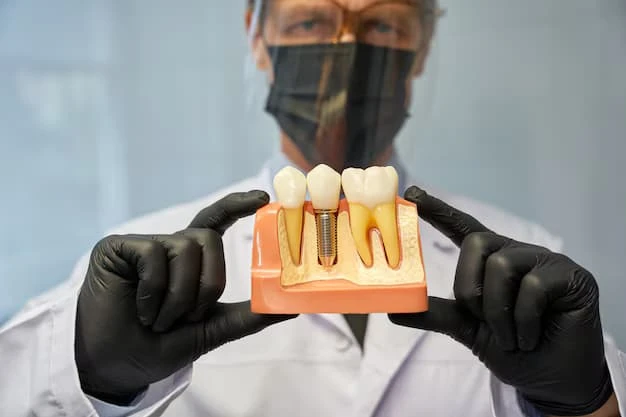
When the jawbone lacks sufficient density to support an implant, Oral Surgeons perform bone grafting procedures. These techniques rebuild the bone structure, creating a stable foundation for future implants.
Precise Implant Placement
Oral Surgeons use advanced planning tools to place implants with exceptional accuracy. This ensures proper alignment, long term stability, and natural looking results even in challenging anatomical situations.
Treating Facial Trauma and Injuries
Facial injuries resulting from accidents or sports related incidents require immediate and expert care.
Repairing Fractured Jaws and Facial Bones
Oral Surgeons treat fractures of the jaw and facial bones by carefully repositioning and stabilizing them. Their goal is to restore normal appearance, bite function, and facial symmetry.
Soft Tissue Repair
In addition to bone injuries, facial trauma often involves damage to soft tissues. Oral Surgeons meticulously repair these areas to promote proper healing and minimize scarring.
Use of Anesthesia and Pain Management
Complex dental procedures often require advanced anesthesia techniques to ensure patient comfort and safety.
Types of Anesthesia Used
Oral Surgeons are trained to administer various forms of anesthesia, including local anesthesia, sedation, and general anesthesia. The choice depends on the complexity of the procedure and the patient’s medical history.
Post Surgical Pain Control
Effective pain management is an essential part of recovery. Oral Surgeons provide detailed instructions and appropriate medications to help patients heal comfortably and avoid complications.
Recovery and Long Term Care
Successful treatment does not end when the procedure is complete. Recovery and follow up care are vital components of the overall process.
Postoperative Monitoring
Oral Surgeons closely monitor healing to ensure that tissues recover properly and that no complications arise. Follow up visits allow them to address concerns and adjust care plans as needed.
Patient Education and Prevention
Educating patients about oral hygiene, lifestyle habits, and preventive care helps reduce the risk of future complications. Oral Surgeons work collaboratively with general dentists to support long term oral health.
The Importance of a Multidisciplinary Approach
Complex dental conditions often require collaboration among different dental and medical professionals.
Coordination with Dental Specialists
Oral Surgeons frequently work alongside orthodontists, periodontists, and restorative dentists to create comprehensive treatment plans that address both functional and aesthetic concerns.
Collaboration with Medical Professionals
In cases involving systemic health conditions, Oral Surgeons coordinate with physicians to ensure safe and effective treatment. This integrated approach enhances patient outcomes and overall health.
Conclusion
Complex dental conditions demand advanced expertise, precision, and a comprehensive approach to care. Oral Surgeons play a vital role in diagnosing and treating these challenging issues, using specialized training and modern technology to restore oral health, function, and confidence. Through surgical skill, careful planning, and patient centered care, they provide solutions that extend far beyond routine dentistry.
For patients seeking expert surgical dental care and comprehensive treatment solutions, Clove Dental Beverly Hills stands as a trusted name committed to excellence and patient focused outcomes.
































Sign in to leave a comment.