

Oral surgeons are highly trained dental specialists who handle a wide range of complex procedures involving the mouth, teeth, jaws, and facial structures. While general dentists manage routine dental care, oral surgeons address conditions that require advanced surgical expertise. Many patients seek the services of oral surgeons for procedures that require precise intervention, pain management, and comprehensive care. This article explores the most common procedures performed by oral surgeons, their purposes, and what patients can expect during and after these treatments.
Understanding the Role of Oral Surgeons
Oral surgeons are dental professionals with specialized training in surgical techniques, anesthesia, and advanced oral care. Their work often extends beyond the teeth to include soft tissues, bones, and other structures in the oral and facial regions.
Advanced Surgical Expertise
Oral surgeons are trained to perform complex procedures that involve careful planning and technical skill. They are equipped to handle complications, provide sedation options, and ensure patient safety throughout the surgical process.
Collaboration with Other Dental Professionals
Oral surgeons frequently collaborate with general dentists, orthodontists, and other specialists. For example, a dentist may refer a patient for wisdom tooth extraction or jaw surgery that exceeds the scope of routine dental care.
Focus on Patient Comfort and Recovery
Modern oral surgeons prioritize patient comfort, utilizing anesthesia and pain management strategies to minimize discomfort. They also provide detailed post-operative instructions to promote smooth recovery and reduce the risk of complications.
Wisdom Teeth Removal
Wisdom teeth extraction is one of the most common procedures performed by oral surgeons. These third molars often create problems when there is insufficient space in the mouth.
Reasons for Extraction
Impacted wisdom teeth can cause pain, swelling, infection, and damage to adjacent teeth. Oral surgeons assess the position of the teeth and determine whether removal is necessary. Early extraction can prevent long term complications and preserve oral health.
Surgical Procedure
The procedure involves numbing the area with local anesthesia, sedation, or general anesthesia depending on complexity. The surgeon carefully removes the tooth, often sectioning it for easier extraction. Stitches may be used to promote healing.
Recovery and Care
Post-operative care includes managing swelling, pain, and diet modifications. Oral surgeons provide instructions for maintaining oral hygiene and avoiding activities that could disrupt the healing site. Recovery typically takes several days, with most patients returning to normal activities within one to two weeks.
Dental Implant Surgery
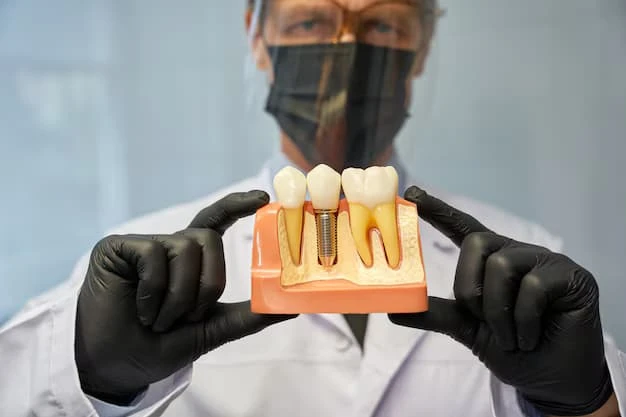
Dental implants are a popular solution for replacing missing teeth. Oral surgeons play a key role in placing implants and ensuring proper integration with the jawbone.
Assessing Candidacy
The surgeon evaluates bone density, oral health, and overall medical condition to determine suitability for implants. Adequate bone structure is necessary for successful implant placement.
Surgical Placement
During the procedure, the surgeon places a titanium post into the jawbone, which serves as the foundation for a dental crown or bridge. The process may involve bone grafting if additional support is needed.
Healing and Follow Up
Osseointegration, the process where the implant fuses with the bone, takes several months. Oral surgeons provide follow up care to monitor healing and ensure the implant is stable before placing the final restoration.
Corrective Jaw Surgery
Orthognathic or corrective jaw surgery addresses structural issues that affect bite alignment, speech, or facial appearance.
Conditions Treated
Jaw surgery can correct overbites, underbites, misaligned jaws, and congenital deformities. Oral surgeons work closely with orthodontists to plan treatment and ensure proper alignment.
The Surgical Process
The procedure involves repositioning the jaw to achieve optimal function and aesthetics. Patients may receive general anesthesia, and surgery can be performed on one or both jaws depending on the condition.
Recovery and Rehabilitation
Recovery may include a combination of dietary modifications, physical therapy, and follow up visits. Patients gradually adjust to the new bite and facial structure, achieving improved function and appearance over time.
Treatment of Facial Trauma
Oral surgeons are often called upon to treat injuries resulting from accidents, sports, or other trauma.
Fractures and Dislocations
Facial trauma can involve broken jaws, displaced teeth, and fractured facial bones. Oral surgeons assess the extent of the injury and create a treatment plan to restore function and appearance.
Surgical Intervention
Treatment may involve realigning fractured bones, placing plates or screws, and performing soft tissue repair. Surgeons work to achieve both functional restoration and aesthetic outcomes.
Post-Trauma Care
Patients require careful monitoring, pain management, and follow up visits to ensure proper healing. Oral surgeons provide guidance on oral hygiene and dietary restrictions to support recovery.
Biopsies and Oral Pathology
Oral surgeons are trained to identify and treat abnormal growths, lesions, or suspicious tissues in the mouth.
Identifying Abnormalities
During routine examinations or referrals, oral surgeons evaluate lesions, cysts, or growths that may indicate oral cancer or other conditions. Early detection is critical for successful treatment.
Performing Biopsies
The surgeon carefully removes a tissue sample for laboratory analysis. The procedure is precise to minimize discomfort and promote healing.
Follow Up and Treatment
Depending on the diagnosis, further surgical or medical interventions may be necessary. Oral surgeons provide guidance on treatment options and monitor recovery.
Bone Grafting and Ridge Augmentation
Some patients require bone grafting before dental implants or reconstructive procedures. Oral surgeons perform these advanced procedures to restore bone structure.
Indications for Bone Grafting
Bone loss due to tooth extraction, trauma, or periodontal disease may require grafting. Restoring the bone ensures proper implant support and jaw function.
Surgical Technique
The surgeon places bone material, which may be from the patient, donor, or synthetic sources, into the deficient area. Over time, the bone integrates with the jaw, providing a stable foundation.
Recovery and Integration
Healing involves careful monitoring and follow up visits to ensure the graft integrates properly. The process may take several months before proceeding with implant placement or other dental procedures.
Managing Impacted Teeth and Complex Extractions
Oral surgeons frequently handle teeth that cannot erupt properly due to space or alignment issues.
Types of Impactions
Impacted teeth may be fully or partially trapped within the gum or bone. This can lead to pain, swelling, or infection if not addressed promptly.
Surgical Approach
The surgeon carefully exposes and removes the impacted tooth while minimizing trauma to surrounding tissues. Local or general anesthesia is used depending on the complexity.
Post-Extraction Care
After surgery, patients follow specific instructions for oral care, swelling management, and diet. Healing typically takes a few days, with full recovery occurring within a few weeks.
Conclusion
Oral surgeons perform a wide variety of specialized procedures that address complex dental, jaw, and facial issues. From wisdom teeth removal and dental implants to corrective jaw surgery, trauma treatment, and biopsies, their expertise ensures safe and effective outcomes. Patients benefit from the precision, advanced training, and comprehensive care that oral surgeons provide. Regular consultation and early intervention with an oral surgeon can prevent complications and enhance long term oral health.
For expert oral surgical care and comprehensive treatment options, Clove Dental Beverly Hills provides professional services tailored to meet the needs of each patient.





























Sign in to leave a comment.