Many parents focus on teaching good habits through reminders, routines, and household rules. While these approaches certainly have their place, one of the most effective ways children learn positive behaviours is through play.
Play is far more than entertainment. It is one of the primary ways children learn about the world around them. Through organised play, children naturally develop skills that carry into everyday life, including responsibility, patience, problem-solving, independence, and self-discipline. Research consistently shows that play supports children's social, emotional, and cognitive development while helping them gain confidence and essential life skills.
For parents looking to encourage positive habits at home, organised play can be a surprisingly powerful tool.
What Is Organised Play?
Organised play refers to activities that have some level of structure, purpose, or routine. Unlike completely free play, organised play often involves rules, designated spaces, or specific objectives.
Examples include:
- Building and arranging toy car collections
- Board games
- Puzzle activities
- Sorting and organising toys
- Creative building projects
- Family game nights
- Role-playing activities
Structured play experiences help children understand expectations while still allowing room for creativity and imagination.
Encourages Responsibility
One of the first habits children learn through organised play is responsibility.
When children know where toys belong and are encouraged to return them after playtime, they begin to understand ownership and accountability. Over time, cleaning up becomes less of a chore and more of a natural part of the activity.
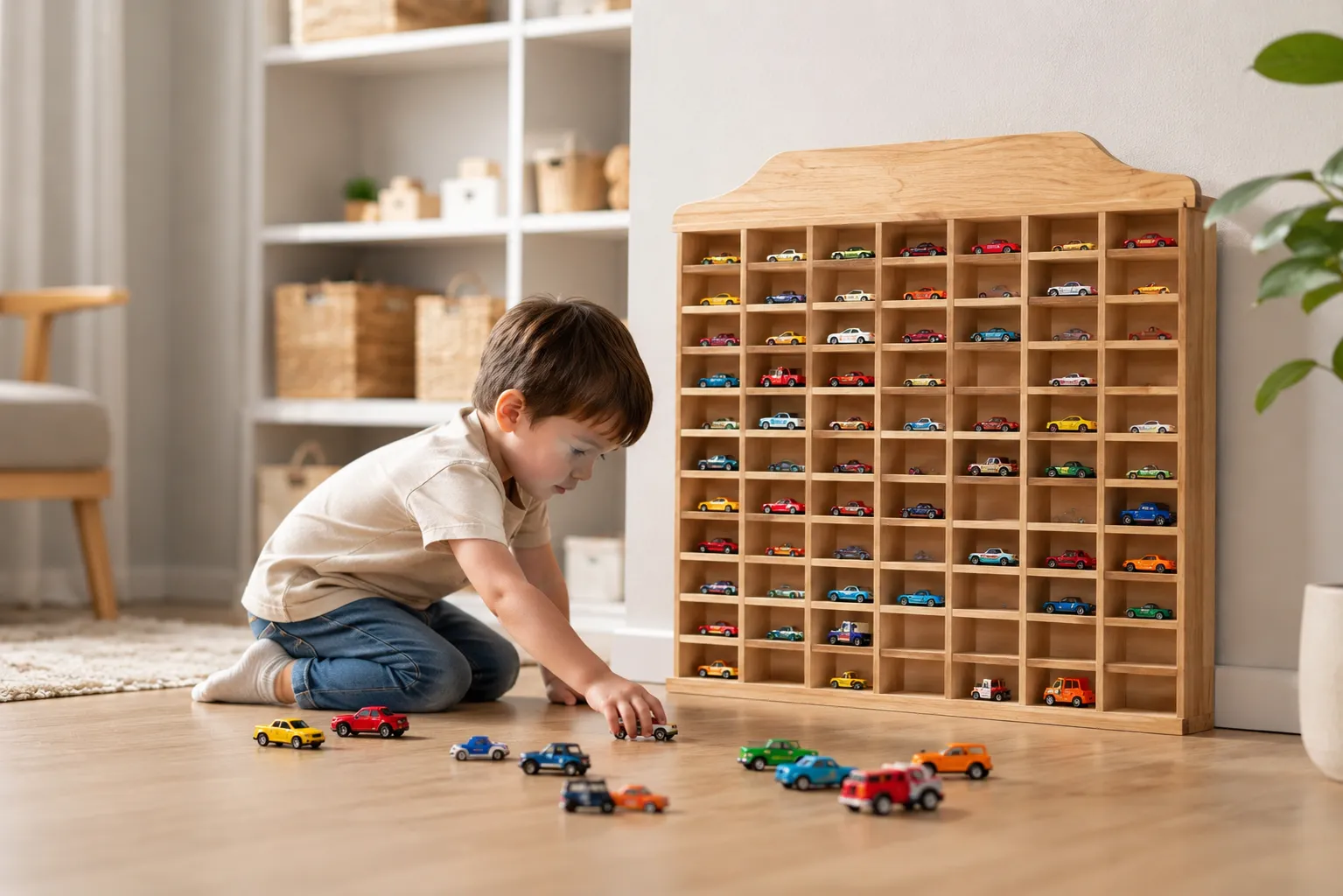
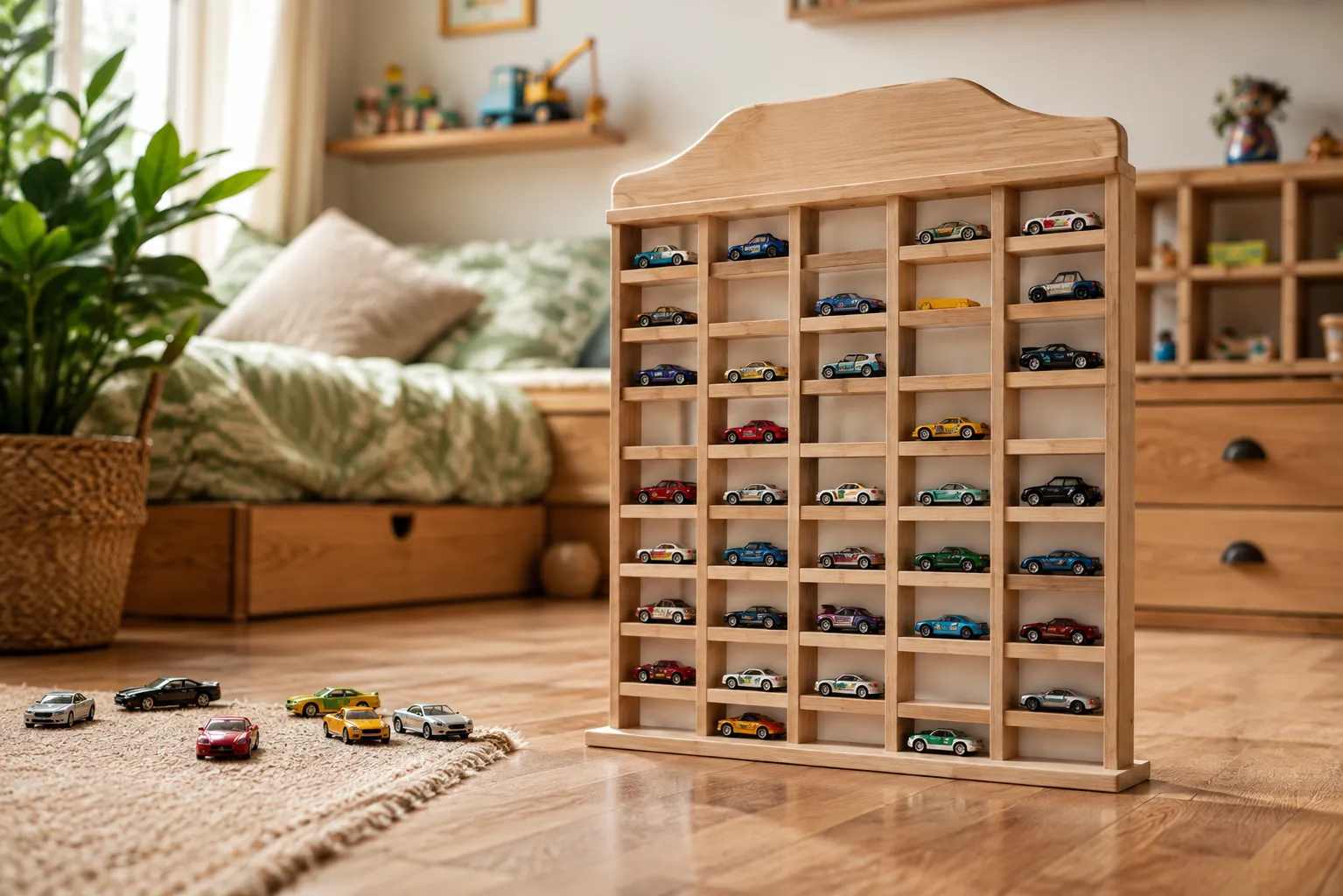
For example, children who use a dedicated storage solution such as a wooden toy garage often develop the habit of parking and organising their toy cars once they finish playing. This simple routine teaches responsibility in a way that feels enjoyable rather than forced.
Builds Consistency Through Routine
Children thrive on routine. Predictable activities help them feel secure and understand what comes next.
Organised play often follows a simple pattern:
- Set up the activity
- Play and explore
- Pack away materials
Repeating this process regularly teaches children that every activity has a beginning, middle, and end. These small routines can eventually influence other areas of life, including homework, bedtime, and personal organisation.
Consistent routines also help children become more independent and confident in managing tasks on their own.
Improves Focus and Concentration
Modern children face countless distractions. Developing attention skills early can have long-term benefits.
Activities such as building, sorting, organising collections, and completing puzzles require sustained concentration. Children learn to stay engaged with a task until it is completed.
Play-based learning supports cognitive development, including thinking, remembering, learning, and problem-solving skills. It also helps strengthen persistence and concentration over time.
The ability to focus during play often transfers into learning environments, helping children stay engaged during school activities.
Teaches Planning and Problem Solving
Many organised play activities encourage children to think ahead.
Whether they are arranging toy cars, creating imaginative road systems, or building structures, children constantly make decisions and solve small challenges.
Questions naturally arise:
- Which vehicle belongs where?
- How can everything fit neatly?
- What happens if I change the layout?
These experiences develop critical thinking skills while teaching children to approach problems methodically.
Play gives children opportunities to explore, imagine, make decisions, and learn through experience.
Encourages Independence
Every parent hopes to raise children who can confidently manage tasks without constant supervision.
Organised play provides opportunities for children to make choices independently. They decide how to arrange their toys, manage their play space, and solve problems that arise during play.
When children are trusted with these small responsibilities, they gain confidence in their abilities. This sense of independence often extends beyond playtime into everyday activities such as dressing themselves, packing school bags, and managing personal belongings.
Develops Patience and Self-Control
Not every activity provides instant results.
Building, organising, and creating often require children to slow down and work through challenges. They learn that achieving a goal sometimes takes time and effort.
This process helps develop patience and emotional regulation. Children learn to manage frustration, adapt when things do not go as planned, and keep trying until they succeed.
These are valuable life skills that benefit them well beyond childhood.
Creates Positive Organisational Habits
Children who grow up in organised environments often find it easier to maintain order later in life.
When storage systems are simple and accessible, children learn that everything has a place. Rather than seeing organisation as a task imposed by adults, they begin to view it as a normal part of daily life.
Small habits built during playtime can eventually shape how children approach schoolwork, personal responsibilities, and time management.
Final Thoughts
Organised play is about much more than keeping toys tidy. It helps children develop responsibility, focus, independence, patience, and problem-solving abilities in a natural and enjoyable way.
The habits formed during childhood often stay with us for years. By creating structured opportunities for play and organisation, parents can support their children's development while making everyday routines easier to manage.
When learning feels like play, children are far more likely to embrace positive habits that will benefit them throughout life.
FAQs
What is the difference between organised play and free play?
Organised play involves some structure, rules, or routine, while free play is child-led and largely unstructured. Both types of play offer valuable developmental benefits.
At what age can children start learning organisational habits?
Children can begin learning simple organisational habits as early as toddlerhood. Age-appropriate storage solutions and consistent routines help reinforce these behaviours.
Does organised play improve focus?
Yes. Activities that involve sorting, building, arranging, and completing tasks encourage children to concentrate for longer periods and develop attention skills.
How can parents encourage organised play at home?
Provide dedicated spaces for toys, establish simple clean-up routines, and choose activities that naturally encourage organisation and responsibility.
Why is play important for child development?
Play supports physical, social, emotional, and cognitive development. It helps children build confidence, communication skills, creativity, and problem-solving abilities.

























Sign in to leave a comment.