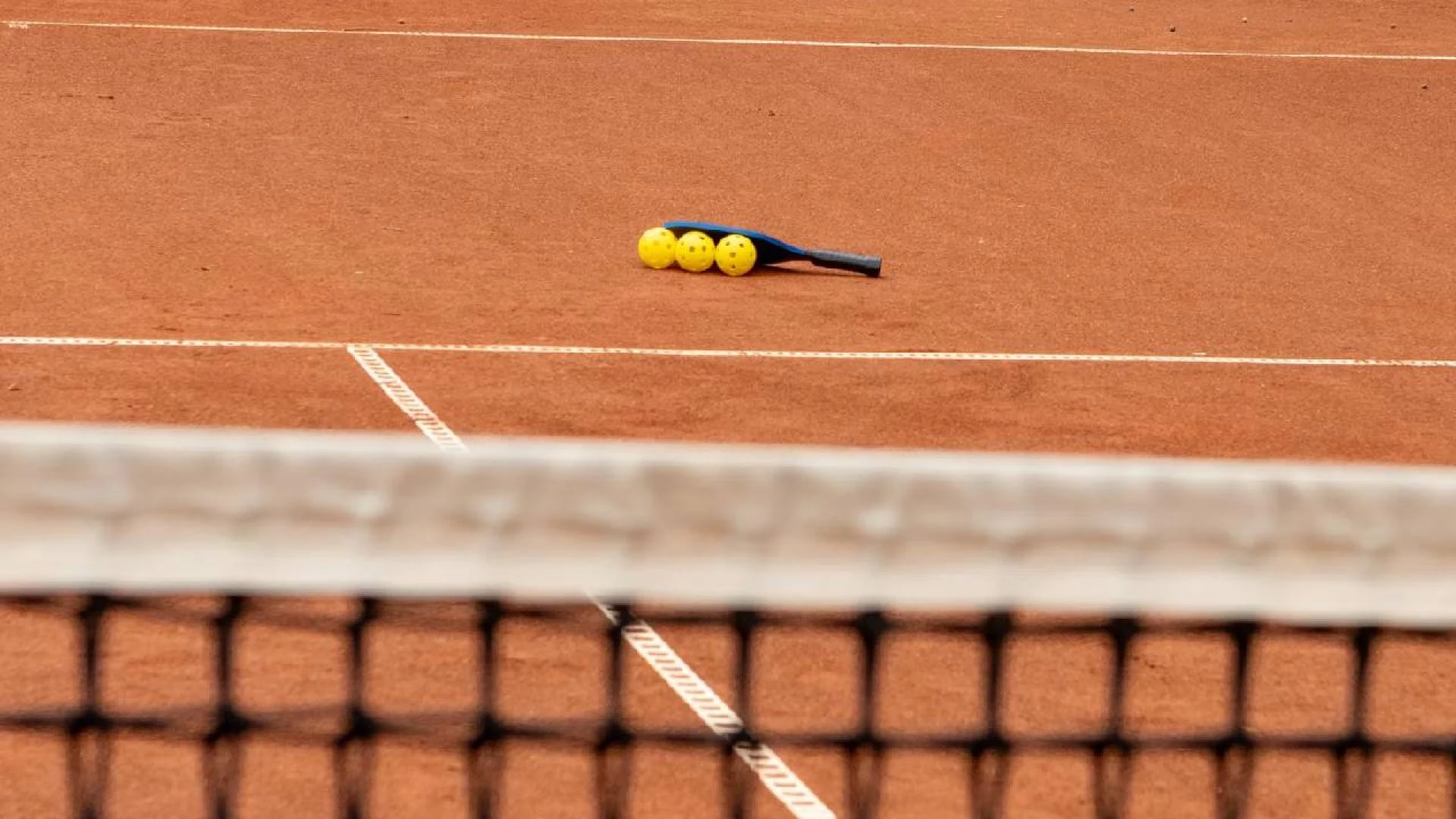

Choosing the right pickleball paddle materials is a major step toward playing your best. But materials alone aren’t the whole story. Paddle weight, shape, and balance also work closely with face and core materials to impact your game. Once you understand these extra factors, you can make a smarter choice that truly fits your style, comfort, and performance goals.
Paddle Weight: Light vs. Midweight vs. Heavy
The weight of your paddle plays a big role in how it feels during a match.
- Light paddles (under 7.3 oz) are easier to maneuver. They pair well with control-focused materials like graphite faces and polymer cores. Beginners and players who love soft shots usually prefer lighter paddles.
- Midweight paddles (7.3–8.4 oz) offer the best balance of power and control. They often use hybrid materials, like fiberglass faces with polymer cores, to suit all-around players.
- Heavy paddles (over 8.5 oz) generate extra power, especially when combined with stiff cores like Nomex. However, they can cause quicker fatigue or stress on your wrist and elbow if you're not used to them.
Choosing the right weight depends on your physical strength, style of play, and injury history.
Paddle Shape and Surface Area
Paddle shape also changes how materials perform:
- Standard paddles have a wider face, giving you a bigger sweet spot. These shapes are great for fiberglass or composite faces, offering easy control for newer players.
- Elongated paddles add reach and power. When paired with a carbon fiber face, they provide excellent spin and deep baseline shots, ideal for aggressive players.
- Blade-shaped paddles are even longer and thinner, focusing on speed and precision, often used by advanced competitors who already have fast hands.
The shape you choose should complement how you like to strike the ball — quick hands at the net or big drives from the backcourt.
Balance Point: Head-Heavy, Even, or Head-Light
Balance refers to where the paddle’s weight is centered:
- Head-heavy paddles add more power to shots, especially when using rigid materials like carbon fiber and Nomex cores.
- Even-balanced paddles feel natural and steady, working well with versatile setups like fiberglass faces and polymer cores.
- Head-light paddles move faster for quick volleys and dinks, perfect for players who favor control.
Matching your paddle’s balance with your material setup fine-tunes your feel and energy on the court.
Final Takeaway
Materials like fiberglass, graphite, and carbon fiber are critical, but weight, shape, and balance complete the picture. A well-matched paddle boosts your natural strengths and helps you enjoy the game longer without injury. Whether you want power, touch, or a little of both, take a few minutes to consider all these factors while deciding on your pickleball paddle material. Your perfect paddle is out there, waiting to elevate your play to the next level!





















Sign in to leave a comment.