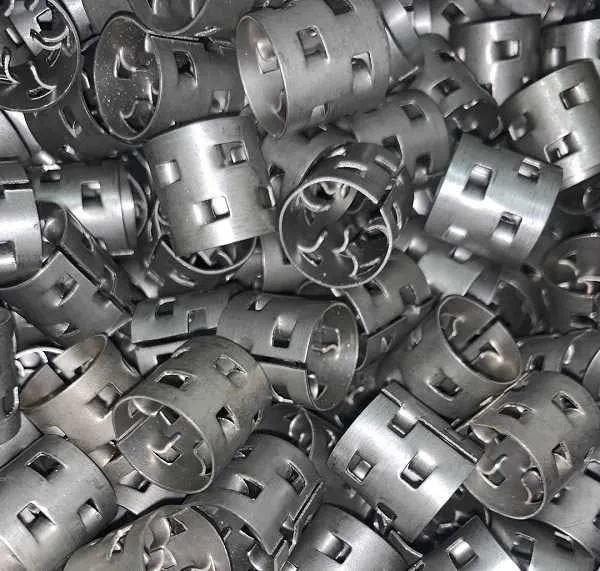

Packed towers are widely used across chemical processing, petrochemical, pharmaceutical, environmental, and gas treatment industries for operations such as absorption, stripping, distillation, and scrubbing. The efficiency of these processes depends greatly on how effectively gas and liquid phases interact inside the tower. Random packing plays a crucial role by providing a large contact area while allowing both phases to move through the packed bed.
Pall rings are a popular type of random packing because their open structure provides a useful balance between surface area, void space, liquid distribution, and pressure drop. However, the performance of a packed tower depends not only on the shape of the packing but also on factors such as material, size, surface characteristics, and operating conditions.
Understanding how different packing characteristics influence hydraulic and mass transfer performance can help engineers select the appropriate solution for their specific process requirements.
What Are Pall Rings?
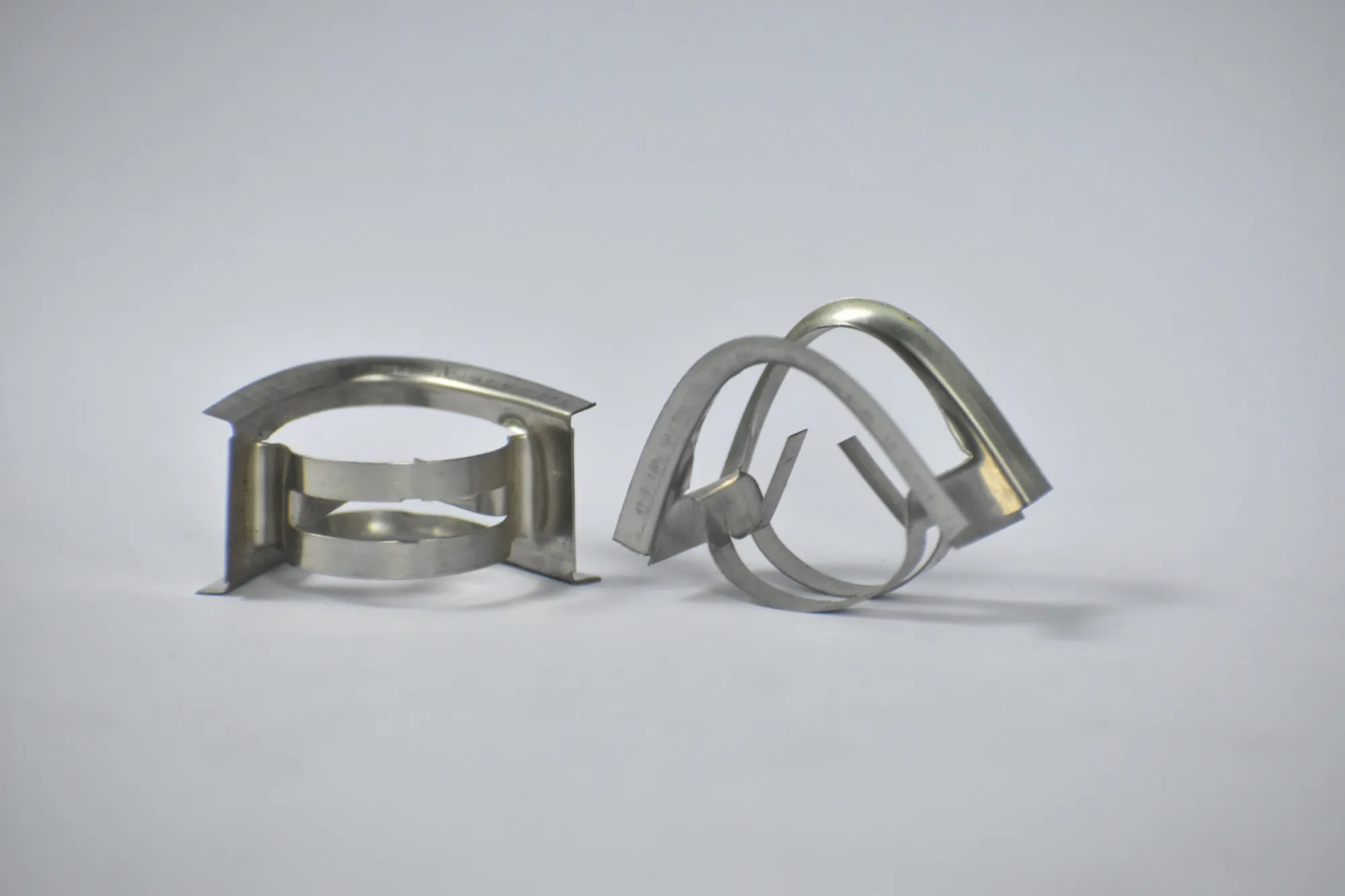
Pall rings are cylindrical random packing elements designed to improve gas-liquid contact inside packed towers. They feature an open cylindrical structure with internal sections or windows that allow gas and liquid to move through the packing more freely.
The design improves upon conventional ring packing by increasing the available contact area while maintaining substantial void space. As liquid flows downward through the packed bed, it spreads across the packing surfaces. At the same time, gas or vapor moves upward through the openings.
This creates repeated contact between the two phases, supporting mass transfer and separation processes.
Understanding Pall Rings Properties
The overall performance of a packed tower is strongly influenced by several characteristics of its packing. These characteristics determine how the packing interacts with gas and liquid streams and how effectively it uses the available tower volume.
Important pall rings properties include:
- Packing size
- Specific surface area
- Void fraction
- Material of construction
- Weight
- Shape and geometry
- Mechanical strength
- Surface characteristics
- Pressure drop characteristics
Each of these factors can affect tower capacity, separation efficiency, operating stability, and service life.
Packing Size and Tower Performance
Packing size is one of the most important factors when designing a packed tower. Different sizes provide different combinations of surface area, void space, pressure drop, and hydraulic capacity.
Smaller packing elements generally provide greater surface area per unit volume. This can increase the available area for gas-liquid contact and support efficient mass transfer.
However, smaller packing may also create greater resistance to gas flow under certain conditions. Larger packing elements typically provide more open space and can support higher gas flow rates, but their available surface area per unit volume may be lower.
The correct size should therefore be selected based on:
- Tower diameter
- Gas flow rate
- Liquid flow rate
- Fluid properties
- Required separation
- Pressure-drop limitations
- Operating conditions
Specific Surface Area
Specific surface area refers to the amount of packing surface available per unit volume of packed bed. A higher effective surface area can provide more opportunities for gas-liquid interaction.
When liquid spreads over the packing, the wetted surface becomes an interface through which mass transfer can occur. The geometry of Pall rings helps provide numerous surfaces where this interaction can take place.
However, theoretical surface area does not always equal effective surface area. The actual performance depends on liquid wetting, distribution, flow conditions, and fluid properties.
Good liquid distribution is therefore essential for taking full advantage of the available packing surface.
Void Fraction and Gas Flow
Void fraction represents the percentage of open space within a packed bed. A high void fraction allows gas and liquid to move through the tower with less resistance.
The open structure of Pall rings provides substantial void space. This can help reduce pressure drop and support efficient gas flow.
Adequate void space is particularly important in high-capacity applications where large quantities of gas must pass through the column.
A suitable balance between surface area and void volume is necessary. Excessive surface area with insufficient void space may increase pressure drop, while excessive void space may reduce the available contact area.
Pressure Drop
Pressure drop is a critical consideration in packed tower design. When gas encounters excessive resistance while moving through the packing bed, energy consumption can increase.
Pall ring geometry is designed to provide open pathways that support gas movement. This can contribute to favorable pressure-drop performance when the packing is correctly sized and the tower operates within its design range.
Lower pressure drop can offer several benefits:
- Reduced energy consumption
- Lower fan or compressor requirements
- Improved operating economics
- Increased tower capacity
- Better process stability
Actual pressure drop depends on gas velocity, liquid loading, packing size, fluid properties, and bed condition.
Liquid Distribution and Wetting
Uniform liquid distribution is essential for achieving efficient packed tower operation. If liquid flows through only certain sections of the bed, some packing surfaces may remain dry while others become overloaded.
The open structure of Pall rings encourages liquid to spread and redistribute as it travels downward through the packed bed.
Effective wetting can help:
- Increase gas-liquid contact
- Improve mass transfer
- Reduce dry zones
- Minimize channeling
- Improve packing utilization
The liquid distributor installed above the packing is equally important. Even high-quality packing cannot perform efficiently if the initial liquid distribution is poor.
Material of Construction
Material selection is another important consideration. Packed towers may operate with corrosive chemicals, high temperatures, solvents, or aggressive process fluids.
Pall rings can be manufactured from materials such as stainless steel, carbon steel, plastic, and specialized alloys depending on the application.
Material selection should consider:
- Chemical compatibility
- Corrosion resistance
- Operating temperature
- Mechanical strength
- Process fluid characteristics
- Expected service life
Stainless steel may be preferred for applications requiring corrosion resistance and mechanical durability, while plastic materials may be suitable for certain chemical and lower-temperature environments.
Mechanical Strength
Mechanical strength affects the reliability and durability of packing during installation and operation. Packing must withstand loading, handling, gas and liquid flow forces, and other operating stresses.
Strong packing elements are less likely to deform during installation or under demanding operating conditions. Maintaining the original geometry is important because deformation can affect void space, flow distribution, and pressure drop.
Manufacturing quality and material selection therefore play important roles in maintaining consistent performance.
Surface Characteristics
The surface condition of packing can influence liquid wetting and distribution. A surface that allows liquid to spread effectively can increase the useful contact area between gas and liquid.
Surface characteristics may be influenced by:
- Material
- Manufacturing process
- Surface roughness
- Operating fluid
- Temperature
- Liquid properties
Good wetting helps maximize the effective surface area available for mass transfer.
Effect on Mass Transfer Efficiency
One of the main purposes of random packing is to improve mass transfer between gas and liquid phases. Efficient contact provides greater opportunities for components to transfer from one phase to another.
The combination of open geometry, surface area, and liquid distribution allows Pall rings to support absorption, stripping, and scrubbing processes.
For example, in an absorption column, a contaminant or target component in a gas stream can transfer into the liquid as both phases move through the packing bed.
In stripping applications, volatile components can move from the liquid into the gas or vapor phase.
The overall mass transfer performance depends on packing characteristics as well as operating conditions.
Flooding and Hydraulic Capacity
Flooding occurs when gas velocity becomes sufficiently high to interfere with downward liquid flow. It can cause liquid accumulation, increased pressure drop, unstable operation, and reduced separation efficiency.
The open geometry of Pall rings can provide favorable flow paths that support hydraulic capacity. When the packing size is correctly matched to the tower and process conditions, the risk of reaching undesirable flooding conditions can be reduced.
Important factors affecting flooding include:
- Gas velocity
- Liquid loading
- Fluid density
- Fluid viscosity
- Surface tension
- Packing geometry
- Tower diameter
Proper hydraulic design is therefore essential for reliable tower performance.
Applications of Pall Ring Packing
Pall rings are suitable for a wide range of industrial operations because they provide a useful combination of contact area and hydraulic performance.
Gas Absorption
Packed columns can use Pall rings to facilitate contact between a gas stream and absorbing liquid. This is common in gas treatment and chemical processing.
Stripping
In stripping operations, the packing promotes interaction between liquid and gas or vapor, helping remove volatile components.
Chemical Scrubbing
Scrubber systems can use random packing to increase gas-liquid contact and improve contaminant removal.
Petrochemical Processing
Petrochemical facilities may use packed columns for various separation, absorption, and purification processes.
Environmental Applications
Packed towers are also used for treating industrial emissions and removing soluble contaminants from gas streams.
Choosing the Right Pall Ring Design
Selecting the right packing requires evaluation of the complete process rather than focusing on a single specification.
Engineers should consider:
- Tower diameter
- Gas and liquid flow rates
- Operating temperature
- Operating pressure
- Process fluid composition
- Required separation efficiency
- Desired pressure drop
- Packing material
- Packing size
The selected design should provide an appropriate balance between mass transfer efficiency, hydraulic capacity, mechanical strength, and service life.
Role of a Reliable Manufacturer
Working with an experienced manufacturer can simplify the packing selection process and help ensure consistent product quality. A capable supplier should understand different packing geometries, materials, dimensions, and industrial applications.
Varun Engineering provides industrial tower packing solutions for applications requiring effective gas-liquid contact and reliable process performance.
Customers should provide technical information about the tower and process so the manufacturer can recommend a suitable packing configuration. Accurate information can include tower diameter, gas flow rate, liquid flow rate, operating conditions, and chemical composition.
Installation and Maintenance
Proper installation helps ensure that the selected packing delivers its intended performance. Random packing should be loaded carefully to avoid deformation and excessive compaction.
The tower should also have suitable support grids and liquid distribution equipment.
Routine inspection can help identify:
- Fouling
- Corrosion
- Packing deformation
- Excessive pressure drop
- Poor liquid distribution
- Changes in process performance
Varun Engineering can support industries in selecting suitable packing solutions based on process requirements and application conditions.
Optimizing Packed Tower Efficiency
Optimizing packed tower performance requires attention to both equipment and operating conditions. Even well-designed packing may not perform efficiently if the tower is overloaded or liquid distribution is uneven.
Important optimization practices include:
- Maintaining appropriate gas velocity
- Maintaining consistent liquid distribution
- Monitoring pressure drop
- Preventing excessive flooding
- Controlling operating temperature
- Inspecting the packing regularly
- Addressing fouling promptly
A complete engineering approach helps industries achieve more reliable and consistent separation performance.
Conclusion
The characteristics of random packing have a direct influence on packed tower efficiency. Size, surface area, void fraction, material, mechanical strength, surface characteristics, and hydraulic behavior all affect gas-liquid contact and overall process performance.
Selecting the appropriate packing requires a detailed understanding of tower dimensions, process fluids, flow rates, operating conditions, pressure-drop requirements, and separation objectives. Proper liquid distribution, installation, and maintenance are equally important for maximizing the available contact area and maintaining reliable operation.
By evaluating these factors carefully, industries can achieve efficient mass transfer, stable hydraulic performance, reduced operating challenges, and longer service life from their packed tower systems.

























Sign in to leave a comment.