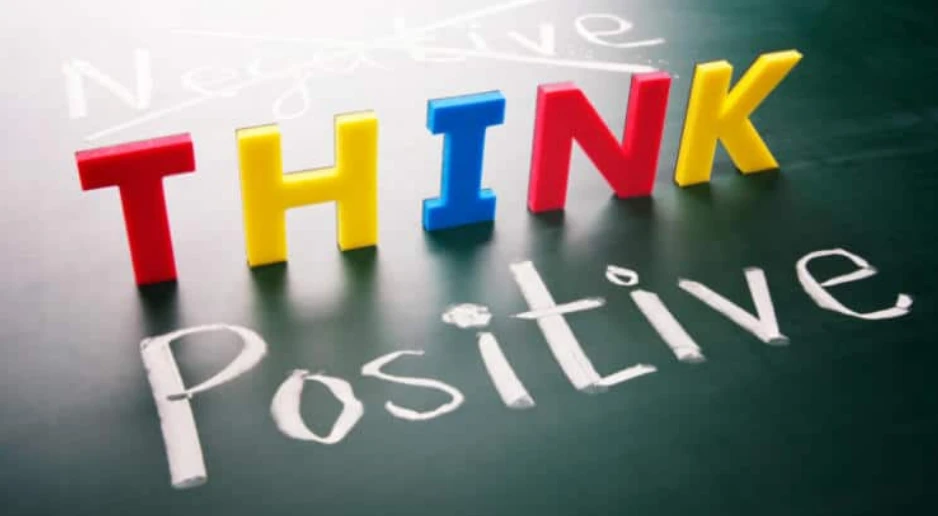

We all want to lead successful and fulfilling lives, but sometimes it can be hard to stay motivated and maintain a positive outlook. In this article, we'll explore how positive thinking can have a lasting impact on our lives and how it can help us achieve our goals. Read on to find out more about the power of positive thinking!
What is Positive Thinking?
Positive thinking is the act of looking on the bright side and focusing on the good in any situation. It’s a mental state that allows you to see the glass half full instead of half empty.
When you think positively, your brain releases chemicals called endorphins, which have mood-boosting effects. In addition, positive thinking can lead to increased life satisfaction, better physical health, and improved relationships.
If you’re not a naturally optimistic person, don’t worry—positive thinking is a skill that can be learned. By making a conscious effort to find the silver lining in every cloud, you can train your brain to think more positively over time.
The Benefits of Positive Thinking
Positive thinking has been shown to have a number of benefits for mental and physical health. People who think positively are more likely to experience happiness and satisfaction with their lives, and they are also less likely to experience anxiety and depression. Positive thinking has also been linked with better physical health, including lower rates of heart disease and longer life expectancy.
How to Develop a Positive Mindset
If you want to live a happier, healthier and more successful life then it's time to start thinking positive. A positive mindset can have a lasting impact on your life in many ways.
Here are some tips on how to develop a positive mindset:
Be grateful for what you have.When you focus on all the good things in your life, it's easier to see the positives in every situation. Make it a habit to list 3 things you're grateful for each day.
Practice positive self-talk.Your thoughts influence your emotions and actions, so make sure you're filling your mind with positive thoughts. Instead of beating yourself up for mistakes, focus on your successes and what you can learn from failures. When negative thoughts pop into your head, counter them with a positive affirmation such as "I am capable and deserving of success."
Surround yourself with positivity.Spend time with people who make you feel good about yourself and avoid energy vampires who bring you down. Also, take care of your environment and fill it with things that make you happy and uplifted. When you're surrounded by positivity, it's easier to stay positive yourself.
Practicing Positive Self Talk
It's no secret that having a positive outlook on life can lead to a happier, healthier lifestyle. But did you know that practicing positive self-talk can also have lasting impacts on your life?
That's right - by speaking kindly to yourself and filling your mind with positive thoughts, you can train your brain to think more positively overall. And this can lead to all sorts of benefits, from improved mental and physical health to better relationships and greater success in life.
So how can you get started with practicing positive self-talk? Here are some tips:
Make a conscious effort to monitor your self-talk. Pay attention to the things you say to yourself throughout the day, both out loud and in your head. Are they mostly negative or positive? If they're mostly negative, it's time to start working on changing that!Be aware of your triggers. What situations or events tend to trigger negative self-talk? Once you're aware of what sets it off, you can start to counter those triggers with more positive thoughts.Talk back to your inner critic. When you find yourself thinking negative thoughts about yourself, stop and challenge them. Are they really true? Is there evidence to support them? Or are they just harmful, unhelpful thoughts that need to be ignored?Fill your mind with positive affirmations. Create a list of positive statements about yourself - things like "I am worthy ofHow to Deal With Negativity
It’s no secret that negativity can have a lasting impact on your life. Studies have shown that negative thinking can lead to depression, anxiety, and even physical illness. But what can you do to counter the effects of negativity?
Here are some tips:
Acknowledge your negative thoughts. Don’t try to bottle them up or ignore them. Recognize that they exist and that they’re normal.
Reframe your negative thoughts. Once you’ve acknowledged them, try to see things from a different perspective. For example, instead of thinking “I’m such a failure,” tell yourself “I’m learning from my mistakes and I’ll be better for it in the end.”
Surround yourself with positive people. This one is easier said than done, but it’s important to try to surround yourself with people who make you feel good about yourself. Negativity breeds more negativity, so spending time with positive people will help balance out the negative thoughts.
Practice self-compassion. Beating yourself up over your mistakes will only make things worse. Instead, try to be kind and understanding towards yourself. Remember that everyone makes mistakes and that you deserve forgiveness just as much as anyone else does.
Focus on the present moment. One of the best ways to deal with negative thoughts is to focus on
Strategies for Staying Focused on the Positive
In order to keep a positive outlook on life, it is important to have strategies in place for staying focused on the positive. There are many ways to do this, but some of the most effective include:
Finding a role model or mentor who embodies the positive attitude you want to have. This person can provide guidance and support when you need it most.
Make a commitment to yourself to focus on the positive aspects of every situation, no matter how challenging it may be.
Practicing gratitude regularly. Taking time each day to reflect on what you’re grateful for will help shift your perspective to the positive.
Surrounding yourself with positive people. This includes both in-person relationships and online connections. Seek out those who make you feel good and who support your positive outlook on life.
Conclusion
Positive thinking is an invaluable tool that can have a lasting impact on your life and help you to achieve your goals. With practice, it can become second nature and give you the strength to face any challenges that come your way. Whether you are looking for ways to stay motivated, increase productivity, or simply make yourself happier, positive thinking could be a great place to start. Give yourself time and remember that little changes can add up quickly!










Sign in to leave a comment.