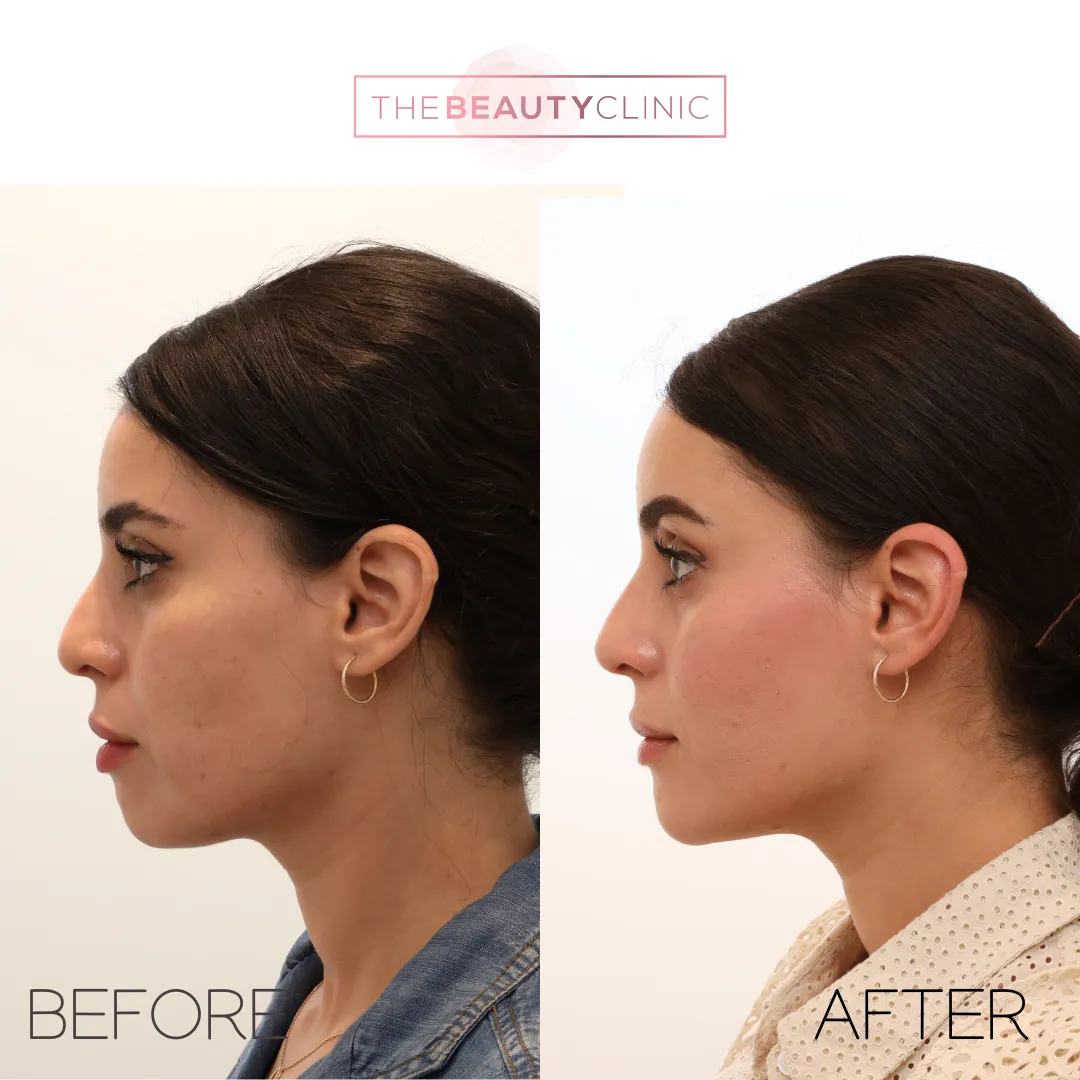

PRF EZ Gel has become a popular topic in regenerative aesthetics because it uses a patient’s own blood to support smoother, healthier-looking skin. Unlike traditional fillers that primarily “add” volume, PRF-based treatments are designed to work more gradually by encouraging the skin’s natural repair process. In this article, you will learn what PRF EZ Gel is, how it works, what kinds of results people may notice, and what to expect from PRF EZ Gel before-and-after changes.
Quick Answer
PRF EZ Gel is an autologous injectable made from your own blood that creates a fibrin-rich gel with platelets and growth factors. For facial rejuvenation, it may help improve skin texture, fine lines, and subtle volume over time by supporting collagen and tissue repair. Results are usually gradual and natural-looking, not instant or dramatic like conventional filler.
What Is PRF EZ Gel?
PRF stands for platelet-rich fibrin. It is a biomaterial created from a patient’s own blood and is described in the medical literature as a leukocyte- and platelet-rich fibrin matrix that acts as a binding site for platelets and growth factors. In simple terms, it is a concentrated, biologically active material that helps the skin focus on repair rather than just camouflage.
The “EZ Gel” part refers to the gel-like form that makes PRF easier to place in areas of facial concern. Research on injectable horizontal PRF gels found that heating protocols can produce a uniform, moldable gel with useful handling properties, which is why this approach is often discussed as a regenerative, injectable treatment. Exact preparation methods can vary by clinic and device.
Because PRF comes from the patient’s own blood, it is considered autologous. Platelets normally help the body form clots and stop bleeding after injury, and platelet-based treatments aim to use that same biology in a therapeutic way.
How PRF EZ Gel Enhances Facial Rejuvenation
1) It supports the skin’s repair response
PRF contains platelets, white blood cells, and a fibrin structure that can hold and release signaling molecules involved in tissue repair. Reviews of PRF describe it as a regenerative biomaterial with therapeutic benefits that extend beyond simple volume replacement.
For patients, that usually means the treatment is aimed at improving skin quality over time. Instead of filling a line immediately, PRF EZ Gel may help the skin look fresher, firmer, and more refined as collagen remodeling progresses. That gradual change is one reason many people describe the result as natural rather than obvious. This is an inference from the treatment’s biology and reported outcomes.
2) It may improve texture, elasticity, and fine lines
Recent evidence is encouraging. A 2024 systematic review on injectable PRF therapy found that, for facial rejuvenation, several studies reported moderate to significant improvements in skin texture, elasticity, wrinkles, and facial lines. Another review found PRF associated with improvements in skin texture, wrinkles, and crepiness.
A prospective study of injectable PRF for facial rejuvenation reported significant improvement in skin surface spots and pores at three months, with other measures such as texture and wrinkles showing numerical improvement. A separate study on platelet-rich fibrin matrix reported noticeable improvement in fine wrinkles, periocular hyperpigmentation, and overall skin freshness.
3) It can create subtle, natural-looking volume
This is where the phrase natural facial volume with PRF EZ Gel matters most. PRF EZ Gel may add a soft, subtle fullness, especially in thinner facial areas, but the main goal is usually regenerative improvement rather than strong structural filling. The current literature supports better skin quality more consistently than dramatic volume replacement, so it is best viewed as a natural-looking rejuvenation option, not a one-to-one substitute for hyaluronic acid filler. That comparison is an evidence-based inference from the available studies.
4) It is often discussed for under-eye rejuvenation
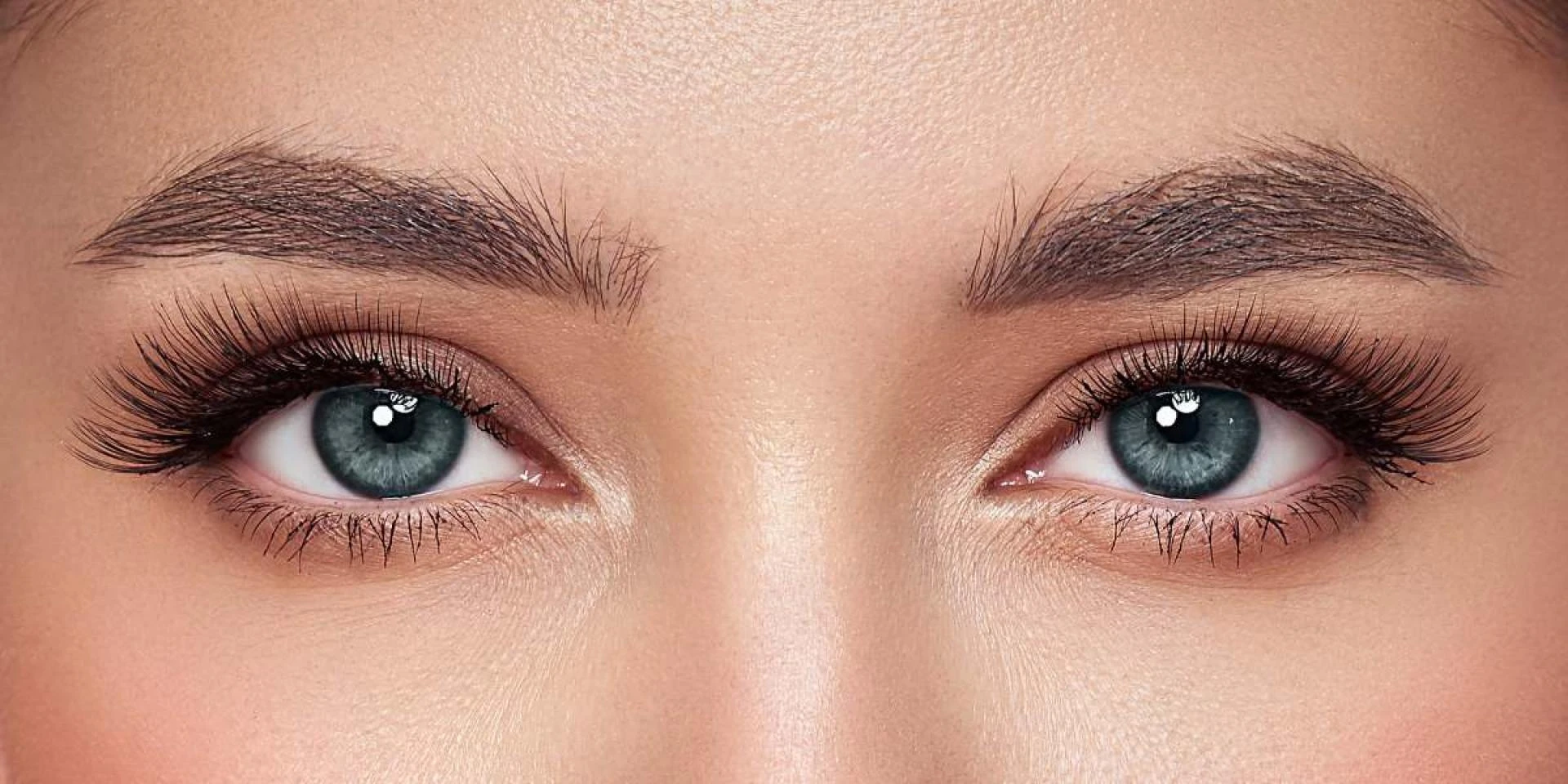
The under-eye area is one of the most common reasons patients explore PRF-based treatments. The skin there is thin, so small changes in texture, hydration balance, and support can make a tired appearance look softer. A 2026 PubMed abstract described PRF gel as a natural alternative for periorbital rejuvenation, reflecting how this treatment is being studied in delicate facial zones.
That said, under-eye concerns are not all the same. Hollowness, pigmentation, puffiness, and skin laxity often overlap, so the best treatment depends on the real cause of the “dark circle” or tired look. PRF may help some of these issues more than others, especially when the goal is gentle improvement rather than major correction.
What PRF EZ Gel Before-and-After Changes Usually Look Like
When people search for PRF EZ Gel before-and-after photos, they are usually looking for proof that the treatment can visibly change the face. The most realistic expectation is a gradual improvement in skin tone, fine lines, texture, and softness of expression rather than a sudden “new face” transformation. Studies that measured outcomes often found changes after a series of treatments, not from a single session.
In practical terms, the “before” image may show tired under-eyes, crepey skin, dull texture, or early fine lines. The “after” image may show smoother skin, less visible creasing, and a more refreshed look. Lighting, swelling, facial expression, and the number of sessions can all affect how dramatic the difference appears, so photos should always be interpreted carefully. This is a clinical interpretation consistent with the published outcomes and common photo-interpretation limits.
A useful way to think about PRF EZ Gel is this: it often helps the skin look better from within, while traditional filler is designed more to replace lost structure right away. For many patients, that makes PRF EZ Gel a good fit when they want refreshment rather than obvious augmentation.
What to Expect During and After Treatment?
PRF EZ Gel treatment typically begins with a blood draw, followed by processing and preparation of the injectable gel. Because it is derived from the patient’s own blood, the approach is generally considered biologically compatible, and published studies often report mild short-term reactions rather than major complications.
In the facial rejuvenation literature, temporary swelling is one of the most commonly reported short-term effects. In one study, swelling at the injection site lasted up to one day and resolved without complications. As with any injection-based procedure, bruising, tenderness, redness, or swelling can happen, especially in delicate areas like the under-eyes.
Results are usually not instant. Many patients notice early improvements in skin feel and hydration first, followed by more visible changes in texture and fine lines over the following weeks and months. Published studies commonly assessed outcomes around the 3-month mark, which fits the idea of a gradual regenerative treatment.
Who May Benefit Most?
PRF EZ Gel may be a good option for patients who want subtle facial rejuvenation, especially if they prefer a more natural approach and are comfortable with gradual change. It may be most appealing for early signs of aging, mild under-eye changes, crepey texture, and skin that looks tired rather than deeply sunken.
It may be less ideal when someone needs strong structural support, such as deep folds or major volume loss. In those cases, a clinician may discuss other treatments or a combination plan. That recommendation is a practical inference from the fact that most published PRF outcomes focus on skin quality and subtle improvement rather than large volume restoration.
People with blood-related disorders should have a careful medical review before any platelet-based procedure. Because platelets are essential for normal clotting, conditions that affect platelet number or function can matter when planning treatment.
FAQ
Is PRF EZ Gel the same as filler?
No. PRF EZ Gel may create subtle volume, but its main goal is regenerative improvement in skin quality. Traditional fillers are designed to replace volume immediately, while PRF tends to work more gradually.
How long does it take to see results?
Many patients notice changes over weeks, with studies often evaluating results at about three months. The improvement is usually gradual, not immediate.
What areas respond well to PRF EZ Gel?
Common areas include under-eyes, fine lines, texture concerns, and regions where the skin looks thin or tired. Published studies highlight improvements in periocular concerns, wrinkles, pores, and overall skin freshness.
Does PRF EZ Gel have downtime?
Downtime is usually limited, but temporary swelling or bruising can occur after injections. One study reported swelling that resolved within a day without complications.
How many sessions are usually needed?
Protocols vary, but published facial rejuvenation studies often used a series of treatments rather than a single session. That is one reason results tend to build over time.
Conclusion
PRF EZ Gel is an interesting regenerative option for facial rejuvenation because it uses the body’s own biological material to support repair, improve skin quality, and create subtle, natural-looking enhancement. The strongest evidence points to better texture, elasticity, and fine-line improvement, with promising results for under-eye rejuvenation as well. For readers comparing options, the most important takeaway is simple: PRF EZ Gel is about gradual refinement, not instant transformation.


















Sign in to leave a comment.