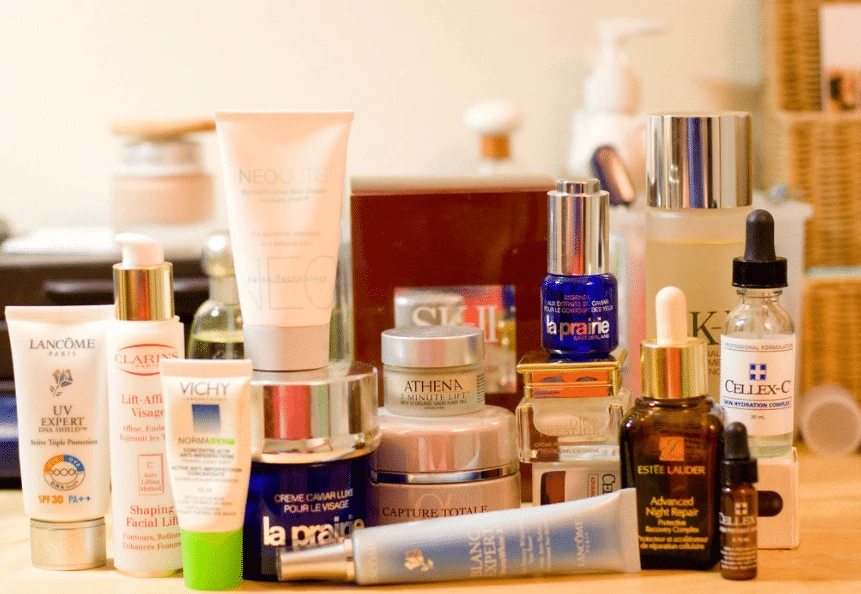

Probiotic skincare works by restoring the balance of bacteria in the skin. This is important because our skin is home to a variety of microorganisms, known as the microbiome. These organisms help form the protective layer of our skin, preventing free radicals and toxins from causing damage.
Research has linked microbiome imbalances with inflammatory skin conditions. This is supported by numerous papers published in dermatology journals, including the Journal of the American Academy of Dermatology. Consumers who use probiotic skincare products swear by the effects. Whether you have a skin condition or not, there is likely a product on the market that is formulated with these beneficial bacteria.
Probiotic-powered skincare products can reduce signs of aging and stimulate skin renewal. Some examples include the Elizabeth Arden Superstart Skin Renewal Booster and the Aurelia Revitalise & Glow Serum. In addition to probiotics, these products contain plant stem cells and peptides to improve skin health. It is important to keep in mind that these products have a six-month expiration date and should be stored in a cool, dry environment.
Probiotic skincare products boost the production of ceramides, which help skin keep its moisture. They also help fight premature skin aging and soothe inflammation. They are also beneficial for those who have sensitive skin. They can even help to prevent acne and other skin issues. Probiotic skincare products help your skin look and feel its best. There is nothing better than a beautiful, balanced complexion. If you want to get a flawless complexion, the first step is to nurture the flora of your skin.
Although there are several skincare products on the market, the majority of them do not contain live bacteria. They are made from filtered extracts, ferments, and lysed bacteria. However, many probiotic products also contain Bifida ferment lysate. Lysate is not the same as live probiotic, so it is important to make sure you check the label.
Probiotic skincare products can reduce signs of aging and help with the production of collagen. They can also improve skin elasticity, which is vital for youthful-looking skin. Probiotic skincare may even help with the repair of DNA. Additionally, it can combat sagging skin and help with pigmentation issues. Overall, probiotic skincare products can help with the aging process by restoring the balance of the skin's microbiome.
A few probiotic skincare products are not actually probiotics. Rather, they contain "biotic" ingredients that help stabilize and maintain the skin's microbiome. Only a few probiotic skincare products contain live microorganisms, which is what makes them so beneficial for skin care. Most probiotic skincare products are made from probiotic lysates and ferments.
The research surrounding probiotic skincare is still emerging, but there is evidence to support its benefits. Numerous studies have shown that probiotics improve skin health and protect it from the signs of photoaging. Other probiotic benefits include reducing oxidative stress and improving the skin's barrier function. However, the cosmetic industry needs to be more consistent in labelling its products and generate more scientific evidence before making claims.


































Sign in to leave a comment.