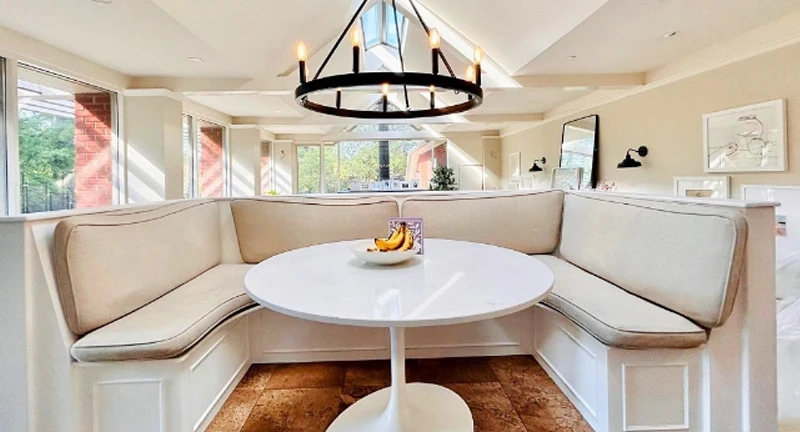
A freshly painted interior has the power to transform a home. It can make rooms feel brighter, cleaner, and more welcoming. Yet many homeowners discover that achieving a smooth and professional finish is not as simple as buying a can of paint and picking up a roller. Brush marks, patchy coverage, uneven edges, and peeling often appear when steps are rushed or methods are not followed correctly. This is why experienced painters consistently deliver a finish that homeowners cannot easily replicate.
Professional interior painters bring expertise, training, precision, and a structured process that ensures the final result looks flawless. Their knowledge of materials, surfaces, and application techniques helps homeowners protect their investment and enjoy long lasting beauty. For anyone considering interior improvements or planning future renovations, understanding how experts achieve these results provides valuable insight into the importance of choosing skilled interior house painting services.
Why Interior Painting Quality Matters for Homeowners
Interior painting is more than a cosmetic update. Quality workmanship affects the longevity of wall surfaces, the durability of the finish, and the comfort of the living environment. Poor preparation or the use of substandard materials can lead to visible imperfections, peeling paint, inconsistent sheen levels, and areas that quickly show wear. These issues often appear months after a DIY project is completed and can be expensive to correct.
A well-executed interior paint job improves property value and plays a major role in how a home feels day to day. Professionals understand the standards set by organizations such as the Painting Contractors Association (PCA), which outline proper preparation, application, and safety practices. Following these industry standards ensures reliable and predictable results that hold up over time.
Expert Surface Preparation as the Foundation of a Flawless Finish
Every professional painter agrees that preparation is the foundation of lasting beauty. In fact, most experts estimate that surface preparation accounts for more than half of the final quality. This stage often determines whether paint will adhere properly or fail in the coming months.
Professionals begin by identifying imperfections such as cracks, nail pops, dents, stains, and uneven textures. They clean walls to remove oils, dust, and contaminants that can interfere with adhesion. Sanding ensures smoothness and eliminates raised fibers or rough patches. Caulking gaps creates clean transitions between trim and walls. Priming prevents stains from bleeding through and helps paint bond evenly across different materials.
Different surfaces require different techniques. Drywall, plaster, wood trim, and textured surfaces each respond differently to primers and finishing paints. Experienced painters understand these differences and apply solutions that protect the home while creating an ideal base for painting. Resources such as Benjamin Moore, Sherwin-Williams, and PCA technical papers emphasize the importance of preparation for long-lasting results.
Using High Quality Tools and Materials for Longer Lasting Results
One of the strongest advantages professionals bring is the ability to select the right materials for each project. High-quality paints offer better coverage, richer pigmentation, and stronger durability. They also resist yellowing, fading, and everyday wear from cleaning and sunlight.
Eco-conscious homeowners often prefer low-VOC and zero-VOC options that meet standards recommended by the Environmental Protection Agency (EPA). These paints support better indoor air quality and reduce exposure to chemical fumes.
The tools used during the application also influence the outcome. Experienced painters know which roller naps work best for smooth drywall, how brush bristle quality affects cutting lines, and which primers improve adhesion on specific surfaces. The Consumer Product Safety Commission (CPSC) emphasizes the importance of safe, tested materials in home environments. Using the right tools allows painters to work efficiently and achieve consistent results that stay beautiful for years.
Professional Techniques That Create Smooth and Even Results
Painting is a craft that requires steady hands, precise movements, and years of practice. The techniques used by professionals are rarely obvious to homeowners until they compare the final results.
Cutting in is one of the most challenging tasks in interior painting. Professionals create straight, clean lines along ceilings, corners, and trim without relying heavily on tape. This skill takes time to develop and directly affects the overall appearance of a room.
Rolling technique is equally important. Experts maintain a wet edge that prevents lap marks and visible stripes. They apply paint in consistent patterns to ensure even coverage and a uniform sheen. Blending large surfaces and avoiding overworking the paint keeps walls smooth and free of texture variations.
Another critical factor is timing. Professionals know when a coat is ready for recoating and how environmental conditions such as humidity, ventilation, and temperature influence drying. This level of understanding only comes from experience, training, and ongoing practice.
Protecting Your Home and Belongings During the Process
A major concern for homeowners is the protection of floors, furniture, fixtures, and personal belongings during the painting process. Professional painters use drop cloths, plastic sheeting, masking materials, and proper equipment to ensure your home is safeguarded from splatters, dust, and accidental marks.
Safety plays a significant role as well. Professionals follow guidelines from organizations such as OSHA and the Canadian Safety Council for ladder use, ventilation, and chemical handling. They understand how to work safely around electrical outlets, heating systems, and confined interior spaces. Proper safety practices ensure that the project proceeds smoothly, quickly, and without unexpected risks.
Attention to Detail That Homeowners Often Overlook
Detail work is where the difference between a DIY job and a professional job becomes most visible. Experts review each wall, evaluate coverage, check corners, examine transitions, and look for imperfections in the final finish. They perform touch-ups, repair small blemishes, and ensure color uniformity across the entire room.
Trim, baseboards, windows, and doors require special attention because these areas easily show imperfections. Professionals also evaluate sheen levels to ensure that glossy, semi-gloss, or matte finishes appear consistent without dull patches or reflective streaks.
This commitment to thoroughness gives homeowners confidence in the final result and eliminates the frustration of noticing flaws days or weeks later.
How Professionals Save Time and Reduce Homeowner Stress
Painting a full interior often involves unexpected challenges. Moving furniture, preparing walls, taping edges, buying supplies, cleaning rollers, and correcting mistakes can consume a significant amount of time. Professional interior painters streamline the entire process by working efficiently and solving problems before they become costly.
Their experience allows them to complete projects faster without sacrificing quality. Homeowners avoid the stress of living in unfinished spaces or dealing with extended disruptions. The result is a clean, polished interior without the exhaustion and frustration that often accompany DIY painting.
Choosing the Right Interior Painting Team for Your Home
The success of a paint project depends on selecting a skilled and reliable team. Homeowners should evaluate factors such as experience, training, preparation process, materials used, insurance, and communication. A reputable painter demonstrates transparency, provides clear timelines, and shares examples of previous work. Understanding the process and expectations helps homeowners feel confident and informed.
Those seeking trusted interior house painting services can explore experienced local professionals who specialize in full service preparation, application, and finishing. Choosing knowledgeable painters ensures long term value and a result that enhances the beauty of your home.
Frequently Asked Questions
What makes professional interior painting better than DIY painting?
Experts bring training, preparation skills, top quality materials, and proven techniques that create flawless, long lasting results.
How long does a standard interior painting project take?
Most professional teams complete several rooms within a few days. Timelines depend on preparation needs, room size, and paint type.
What type of paint is best for bedrooms and living areas?
Low VOC paints are often recommended for bedrooms and living spaces because they support healthier indoor air quality.
How often should homeowners repaint interior walls?
Most homes require repainting every five to seven years, depending on wear, sunlight exposure, and maintenance.
How do professionals avoid streaks and roller marks?
They maintain a wet edge, use consistent rolling patterns, and work with high quality rollers and paints that support smooth application.
Conclusion
A flawless interior paint job is the result of skill, preparation, quality materials, and attention to detail. Homeowners who value long lasting beauty and durability benefit greatly from hiring experienced professionals. Expert techniques, safe practices, and structured workflows ensure the final finish is smooth, consistent, and visually appealing. By choosing reliable interior painting specialists, homeowners invest in comfort, style, and added value for their homes.























Sign in to leave a comment.