
Mold can return repeatedly when the conditions that support its growth remain untreated. Hidden moisture, poor ventilation, and airborne spores often allow contamination to spread beyond the areas where mold is first discovered. Choosing professional mold removal helps property owners address both visible contamination and the environmental conditions that encourage future growth. A comprehensive approach focuses on identifying moisture sources, improving indoor air quality, and treating the property as a connected system to create healthier indoor environments with long lasting protection.
Understanding Why Mold Continues to Return
Looking Beyond Visible Mold
Visible mold is often only a small indication of a larger environmental concern. Mold spores can settle behind walls, beneath flooring, inside insulation, and within other concealed building materials where moisture remains present. Professional removal begins with a detailed assessment that identifies hidden contamination and evaluates how mold has spread throughout the property. Addressing these concealed areas reduces the possibility of mold returning after surface cleaning has been completed.
Identifying the Conditions That Support Growth
Mold cannot continue growing without favorable environmental conditions. Excess humidity, plumbing leaks, roof damage, condensation, and poor ventilation all contribute to recurring contamination. Professionals carefully identify these hidden environmental contributors before beginning remediation. Eliminating the underlying causes provides a stronger long term solution than simply removing visible mold while leaving moisture related issues unresolved.
Comprehensive Inspection Creates Better Results
Evaluating the Entire Property
Professional mold removal includes a thorough inspection of all areas that may contribute to contamination. Crawlspaces, attics, basements, utility rooms, wall cavities, and other concealed spaces are carefully evaluated for signs of moisture and mold activity. Understanding the condition of the entire property allows remediation plans to address every affected area while reducing the risk of hidden contamination remaining behind.
Understanding Whole Home Contamination Patterns
Air naturally circulates throughout a building, allowing microscopic mold spores to move from one room to another. Professionals evaluate whole home contamination patterns to determine how mold has traveled through connected spaces. This complete understanding supports more effective remediation by ensuring that both visible and hidden contamination receive proper attention before restoration is completed.
Containment and Air Quality Protection
Preventing Cross Contamination
Containment is one of the most important elements of professional mold removal. Carefully designed containment systems isolate affected areas while reducing the movement of airborne spores into clean sections of the property. This controlled work environment protects unaffected spaces and allows remediation activities to proceed safely. Effective containment also contributes to improved indoor air quality during every stage of the restoration process.
Air Scrubbers Improve Indoor Air Quality
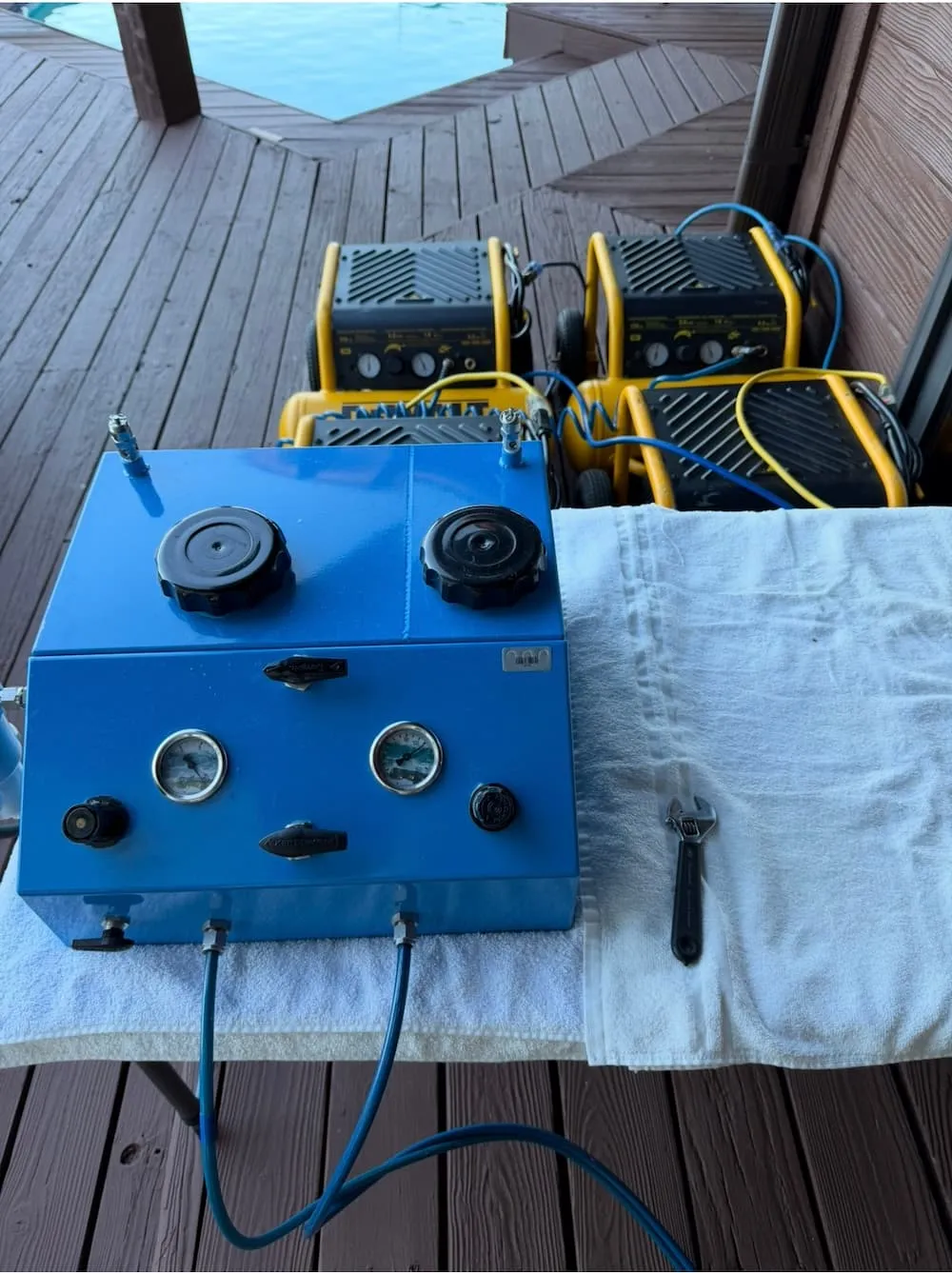
Professional remediation commonly includes advanced air scrubbers equipped with high efficiency filtration systems. These machines continuously capture airborne mold spores and other particles released during cleanup activities. Air scrubbers work together with containment procedures to reduce airborne contamination while maintaining cleaner indoor conditions. Improving air quality during remediation supports healthier environments and contributes to more successful long term results.
Moisture Control Supports Long Term Prevention
Managing Humidity Ecology
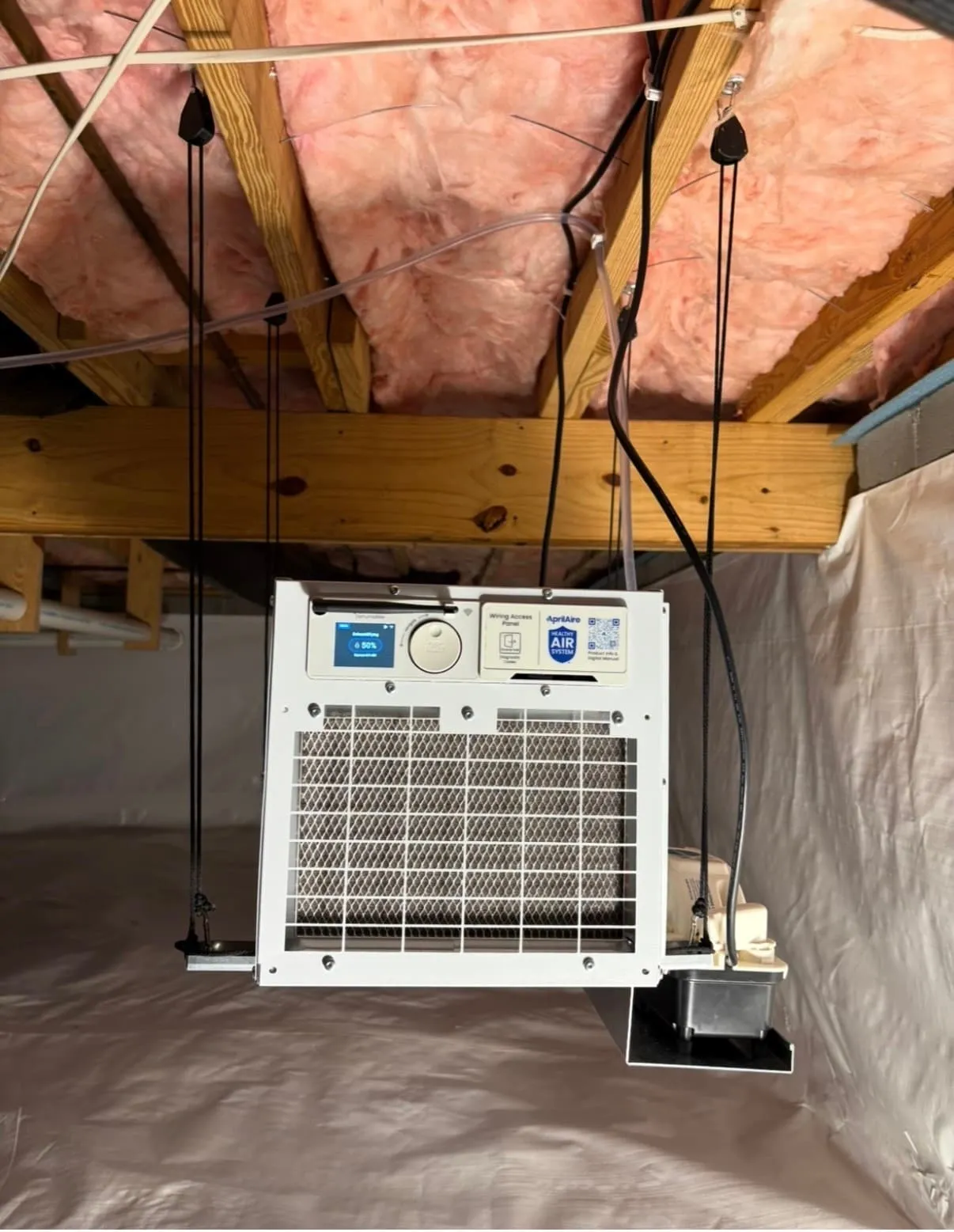
Humidity plays a significant role in mold development. Professionals evaluate humidity ecology by examining ventilation performance, insulation, indoor moisture levels, and condensation throughout the property. Reducing excess humidity limits one of the primary conditions required for mold growth. Effective moisture management continues protecting the property long after remediation has been completed while supporting healthier indoor environments.
Evaluating Crawlspaces and HVAC Systems
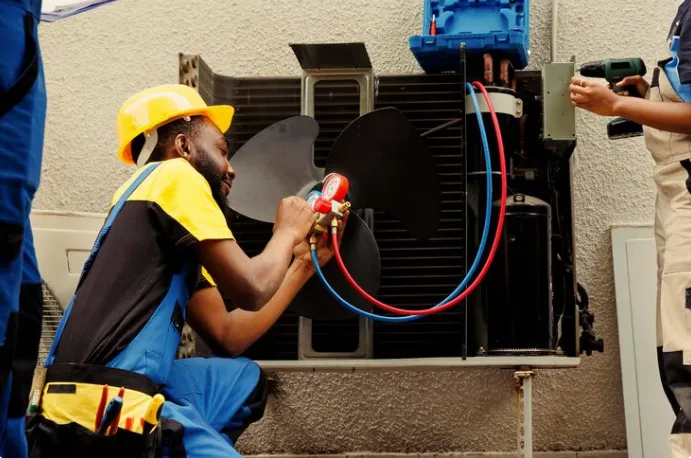
Crawlspaces and heating and cooling systems can significantly influence indoor air quality. The crawlspace stack effect may carry moisture and airborne particles upward into occupied living areas, while HVAC systems can distribute spores throughout the property. Evaluating these interconnected systems helps professionals identify hidden contamination pathways and develop comprehensive solutions that reduce the likelihood of future mold growth.
Professional Techniques That Deliver Lasting Protection
Selecting the Appropriate Remediation Methods
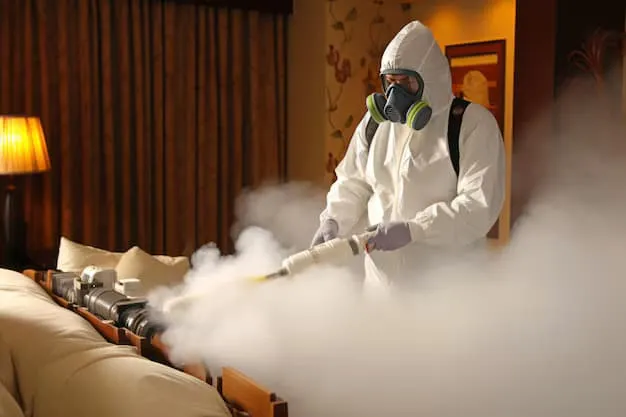
Every property requires a remediation strategy based on its unique environmental conditions. Some building materials can be restored through specialized cleaning methods, while others require selective demolition to safely remove hidden contamination. Whenever appropriate, professionals consider non invasive approaches that preserve unaffected materials while effectively addressing mold. Customized remediation plans provide better long term protection than generalized cleanup methods.
Responding Quickly After Water Damage
Flooding, plumbing failures, and severe weather can quickly create conditions that encourage mold growth. Access to twenty four hour emergency response allows professionals to begin moisture mitigation before contamination becomes more extensive. Rapid action limits structural damage, protects building materials, and reduces the amount of remediation required. Early intervention also supports healthier indoor conditions and improves the overall effectiveness of restoration efforts.
Building Healthier Indoor Environments
Viewing the Property as a Connected System
Professional mold removal focuses on the entire building rather than isolated areas of contamination. Moisture movement, ventilation, indoor air quality, humidity, hidden environmental contributors, and structural conditions all influence mold development. Understanding these connected factors allows professionals to create comprehensive solutions that improve overall building health while reducing future environmental risks.
Supporting Long Term Environmental Wellness
The most effective remediation strategies combine mold removal with ongoing moisture management and environmental improvements. Property owners benefit from recommendations that help maintain healthy indoor conditions through proper ventilation, humidity control, and routine property maintenance. This proactive approach reduces opportunities for mold to return while creating cleaner, healthier living spaces that remain protected over time.
Conclusion
Professional mold removal is about much more than eliminating visible mold. It involves identifying moisture sources, improving indoor air quality, evaluating contamination pathways, using advanced containment and air scrubbers, and understanding the property as a complete environmental system. Addressing these interconnected factors helps prevent future mold growth while creating healthier indoor environments for occupants. For comprehensive environmental solutions focused on lasting protection and improved indoor air quality, Pure Air Mold Remediation provides expert services designed to support healthier homes and long term peace of mind.






















Sign in to leave a comment.