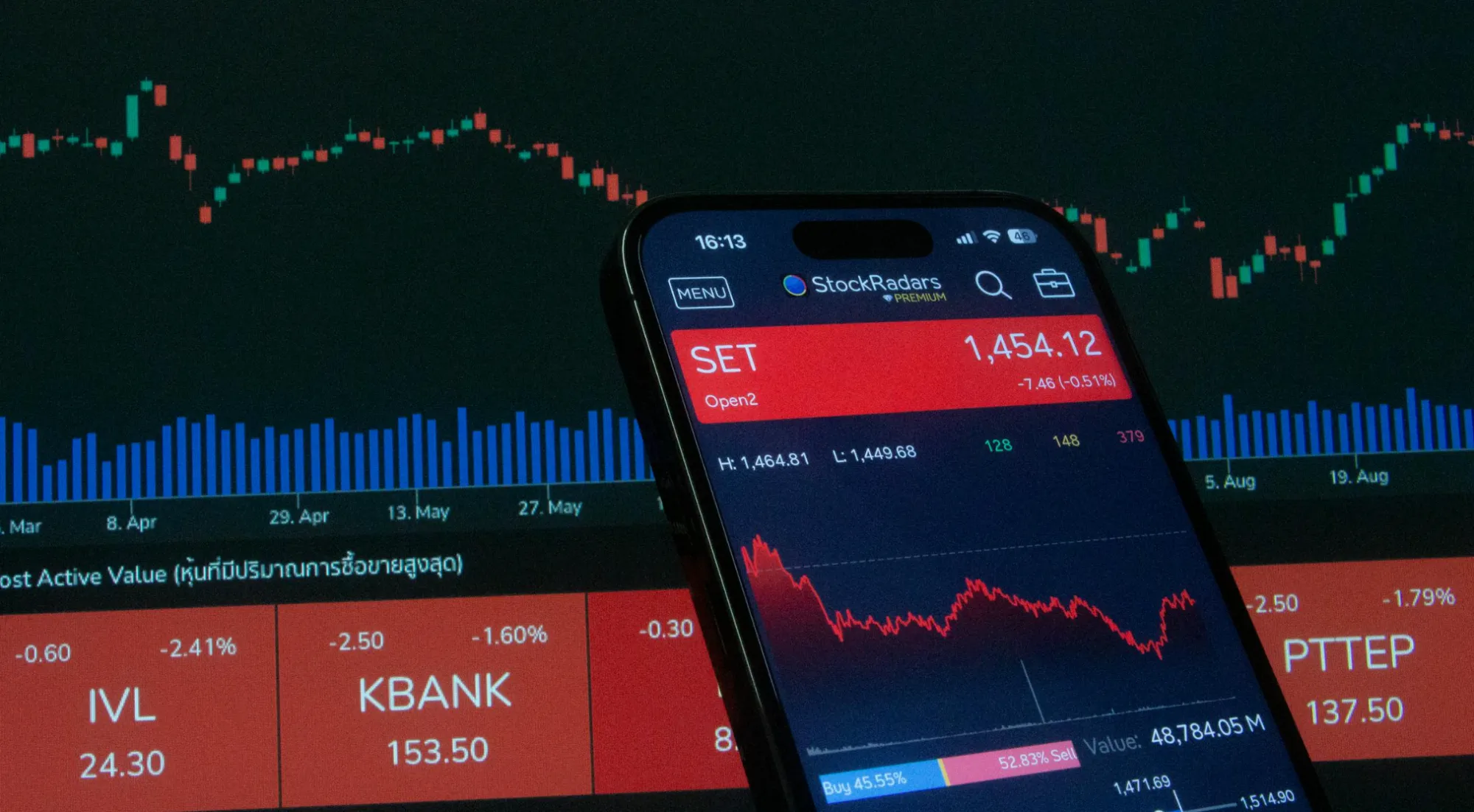

How Professional Traders Use Stock Scanners to Save Time and Find Opportunities
In the stock market, time is one of the most important advantages a trader can have. Every trading day, thousands of stocks move in different directions. Some stocks break out, some show unusual volume, some reverse from support, and some continue strong trends. Manually checking every chart is almost impossible, especially for active traders.
This is where a stock scanner becomes useful.
Professional traders do not randomly search for stocks. They follow a process. They use stock scanners to filter the market, find relevant opportunities, and focus only on stocks that match their trading strategy. Instead of wasting hours going through hundreds of charts, they use scanners to quickly shortlist stocks with strong potential.
For traders who want to build a smarter workflow, using the best Stock Screener in India can make stock selection faster, more structured, and more practical.
What Is a Stock Scanner?
A stock scanner is a tool that helps traders find stocks based on selected conditions. These conditions can be related to price, volume, momentum, technical indicators, candlestick patterns, sector performance, or fundamentals.
For example, a trader can scan for stocks that are:
- Trading above the 50-day moving average
- Showing high volume compared to average volume
- Breaking their previous resistance level
- Near a 52-week high
- Showing bullish RSI momentum
- Forming a breakout pattern
- Moving strongly compared to the overall market
Instead of opening each chart one by one, the scanner gives a filtered list of stocks that match the trader’s conditions.
Why Professional Traders Use Stock Scanners
Professional traders use stock scanners because they understand that trading is not just about finding any stock. It is about finding the right stock at the right time.
A stock scanner helps them remove noise from the market. On any trading day, many stocks may move, but not every move is worth trading. Some stocks may move because of temporary news, low liquidity, or random price action. A good scanner helps traders focus on quality setups.
For example, if a trader follows a breakout strategy, they do not need to check every listed company. They only need stocks that are near resistance, showing strong volume, and trading above key moving averages. A scanner can find these stocks within seconds.
This saves time and improves decision-making.
1. They Start with a Clear Trading Strategy
Professional traders do not use scanners without a plan. Before scanning the market, they know exactly what type of opportunity they are looking for.
Some traders look for breakout stocks. Some look for reversal trades. Some prefer momentum stocks, while others focus on fundamentally strong stocks for swing trading.
For example, a professional trader may create a scanner with conditions like:
- Price above 20-day moving average
- Volume higher than average volume
- RSI above 60
- Stock near 52-week high
- Strong sector performance
This type of scanner helps them find stocks that are already showing strength.
A beginner may use a scanner just to see “top gainers” or “most active stocks”. But a professional trader uses it with a clear purpose. This is the biggest difference.
2. They Use Scanners to Save Research Time
Without a scanner, a trader may spend hours checking multiple stocks manually. This can become tiring and confusing. By the time the trader finds a good setup, the opportunity may already be gone.
Professional traders use scanners to reduce this manual work.
For example, instead of checking 500 stocks, a scanner may shortlist 20 stocks that match the trader’s setup. The trader then studies only those 20 charts in detail. This makes the process faster and more efficient.
This is especially useful for Indian traders because the Indian stock market has many listed companies across different sectors. A proper scanner helps traders focus only on relevant stocks from NSE or BSE based on their selected filters.
3. They Track Volume and Liquidity
Volume is one of the most important factors professional traders check while scanning stocks. A price move without volume may not be reliable. But when price moves with strong volume, it often shows stronger participation from traders and institutions.
Professional traders usually scan for stocks where volume is higher than the average. This helps them identify stocks where market interest is increasing.
For example, if a stock normally trades 5 lakh shares a day but suddenly trades 20 lakh shares with a price breakout, it may indicate strong buying interest.
Liquidity is also important. Professional traders avoid stocks where buying and selling are difficult. Low-volume stocks can have wide spreads and sudden price moves, which increases risk.
That is why serious traders use scanners to find stocks with both strong movement and enough trading volume.
4. They Use Technical Filters for Better Setups
Professional traders often combine multiple technical filters instead of relying on only one signal.
For example, they may scan for stocks where:
- Price is above the 50-day moving average
- RSI is above 60
- MACD is bullish
- Volume is above average
- Stock is breaking resistance
This combination gives them a more refined list of stocks.
A single indicator may give false signals. But when multiple conditions match, the setup becomes stronger. This does not guarantee profit, but it helps traders avoid weak and random trades.
A stock scanner makes this process easier because traders can apply multiple filters together and find matching stocks quickly.
5. They Create Watchlists from Scanner Results
Professional traders do not always trade every stock that appears in the scanner. They first create a watchlist.
A watchlist is a selected group of stocks that a trader wants to track closely. Once the scanner gives a list of possible opportunities, the trader studies the charts, checks support and resistance, analyses the trend, and then adds only the best stocks to the watchlist.
For example, if the scanner gives 30 stocks, the trader may shortlist only 5 to 10 strong candidates. These stocks are then monitored for proper entry, stop-loss, and target levels.
This helps traders stay organised and avoid overtrading.
6. They Use Scanners for Intraday and Swing Trading
Stock scanners are useful for both intraday and swing traders.
Intraday traders use scanners to find stocks moving strongly during the day. They may look for sudden volume spikes, gap-up stocks, gap-down stocks, top gainers, top losers, or stocks crossing important price levels.
Swing traders use scanners to find stocks that may move over the next few days or weeks. They may look for stocks near breakout zones, stocks above moving averages, or stocks showing strong sector momentum.
The scanner settings may change depending on the trading style, but the main purpose remains the same: to find better opportunities in less time.
7. They Avoid Emotional Stock Selection
One major mistake many retail traders make is choosing stocks based on tips, social media posts, or random news. Professional traders avoid this approach.
They use data-driven stock selection.
A scanner helps traders stay objective. If a stock does not match the trading rules, it does not enter the watchlist. This reduces emotional decision-making.
For example, a trader may like a particular company, but if the stock is in a downtrend and does not match the scanner conditions, a professional trader will avoid it.
This discipline is what separates serious traders from casual traders.
8. They Set Alerts for Important Opportunities
Many advanced stock scanners allow traders to set alerts. These alerts notify the trader when a stock matches selected conditions.
For example, a trader can set an alert when:
- Stock breaks above resistance
- Volume crosses a certain level
- RSI crosses 60
- Price moves above the 200-day moving average
- Stock reaches a target zone
This means the trader does not need to sit in front of the screen all day. The scanner does the monitoring, and the trader can take action when the right condition appears.
For serious traders, this saves a lot of time and improves focus.
9. They Review Scanner Results Regularly
Professional traders do not create a scanner once and forget about it. They review and improve their scanner settings based on market conditions.
For example, a strategy that works well in a trending market may not work in a sideways market. During volatile periods, traders may add stricter filters for volume, trend strength, or risk control.
This regular review helps them keep their screening process relevant.
The market keeps changing, so scanner rules should also be adjusted when required.
Final Thoughts
Professional traders use stock scanners because they help save time, reduce noise, and find better trading opportunities. A scanner does not guarantee profit, but it helps traders work with a more structured and data-driven process.
Instead of checking hundreds of charts manually, traders can use scanners to shortlist stocks based on price action, volume, technical indicators, trend strength, and other useful conditions.
For Indian traders, choosing the best Stock Screener in India can help make market research faster and more practical. Whether you are an intraday trader, swing trader, or active investor, a good scanner can improve your workflow and help you focus on quality setups.
In the end, professional trading is not about watching every stock. It is about finding the right stocks that match your strategy. A stock scanner helps you do exactly that.

















Sign in to leave a comment.