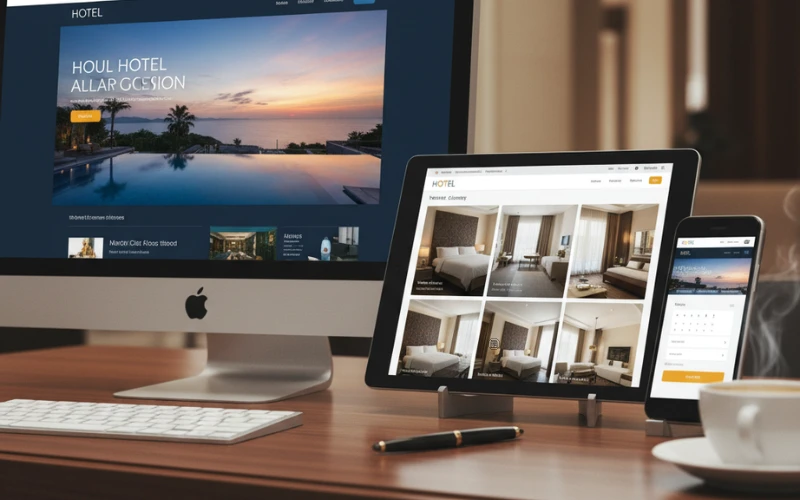

In today’s digital-first world, a hotel’s website often serves as the first impression for potential guests. The design, layout, and overall user experience can significantly influence whether a visitor books a stay—or leaves to explore competitors. That’s why investing in professional hotel web design services isn’t just a luxury—it’s a necessity.
A well-designed website doesn’t just look good; it converts. From intuitive navigation to compelling visuals, every element contributes to driving more direct hotel bookings and building trust with guests.
The Power of First Impressions in Hospitality
When travelers search for accommodation online, they typically judge a hotel within the first few seconds of landing on its website. An outdated design or slow-loading page can instantly create doubt about the quality of the property.
A professional website design for hotels ensures that your digital presence reflects the excellence and hospitality your brand stands for. Clean layouts, mobile responsiveness, and high-quality imagery of rooms and amenities make users feel confident about booking directly through your website.
Why Design Matters More Than Ever
1. User Experience (UX) Builds Trust
Guests expect a seamless experience from browsing to booking. If your site is confusing or cluttered, they’ll leave. A professional web designer will focus on simplifying navigation, optimizing booking forms, and ensuring information is easy to find.
An intuitive hotel web design service creates a smooth journey for users—encouraging them to spend more time exploring rooms, rates, and amenities.
2. Mobile Optimization is a Must
With the majority of hotel searches happening on mobile devices, responsive design is no longer optional. A mobile-friendly website design for hotels adapts beautifully to every screen size, allowing potential guests to book with ease—whether they’re on a laptop, tablet, or smartphone.
3. Speed and Performance Influence Bookings
A slow-loading website can lead to abandoned sessions. Research shows that a one-second delay in page load time can reduce conversions by 7%. Professional designers ensure your website is optimized for speed by compressing images, improving hosting, and using efficient coding practices.
4. Visual Appeal Boosts Emotional Connection
Hotels sell experiences, not just rooms. Professional design focuses on showcasing your property’s atmosphere through stunning visuals and storytelling. Large, high-quality photos of rooms, restaurants, pools, and nearby attractions help guests visualize their stay—and that emotional connection often leads to bookings.
SEO-Friendly Design for Higher Visibility
Even the most beautiful website won’t attract guests if it’s not visible online. That’s why SEO is an integral part of hotel web design services.
Designers and marketers work together to optimize site structure, meta tags, and page speed—all key ranking factors in Google’s algorithm. Including relevant keywords like “luxury hotels in [city]” or “best family hotel near [location]” helps your site rank higher, bringing in more organic traffic and potential guests.
Integrating Smart Booking Features
A stunning hotel website must also convert visitors into paying guests. Integrating a user-friendly booking engine directly into your site eliminates friction. Features like real-time availability, secure payment options, and instant confirmation encourage direct bookings—reducing dependency on third-party OTAs (Online Travel Agencies).
Modern website design for hotels often includes dynamic pricing tools, loyalty program integration, and upselling opportunities—helping maximize revenue per booking.
The Role of Branding in Hotel Web Design
Every hotel has a unique personality—whether it’s a boutique retreat, a beachfront resort, or a business hotel. Professional designers capture this identity through consistent branding elements like color schemes, typography, and tone of voice.
A well-branded website doesn’t just tell guests what your hotel offers; it tells them why they should choose you over competitors.
FAQs About Hotel Web Design
1. Why do hotels need professional web design services?
Professional hotel web design services ensure your website is optimized for conversions, search engines, and user experience. It helps attract more visitors and convert them into direct bookings.
2. How often should I redesign my hotel website?
Ideally, every 3–4 years. Technology and design trends evolve quickly, so updating your site ensures it stays competitive and functional across all devices.
3. What features should a hotel website include?
Essential features include an easy-to-use booking engine, high-quality visuals, clear contact information, customer testimonials, and SEO-optimized content.
4. Can web design really increase direct bookings?
Yes! A professional website design for hotels streamlines the booking process, builds trust, and creates an engaging experience—encouraging guests to book directly instead of using third-party sites.
Conclusion
In the hospitality industry, your website is more than just a digital brochure—it’s your most powerful marketing tool. Professional hotel web design services blend aesthetics, functionality, and strategy to help your property stand out in a crowded online marketplace.
By investing in a modern, user-friendly, and SEO-optimized website design for hotels, you not only enhance your brand’s image but also drive more direct bookings, reduce commission costs, and build long-term guest relationships.






















Sign in to leave a comment.