How Progressive Grease Distribution Systems Work

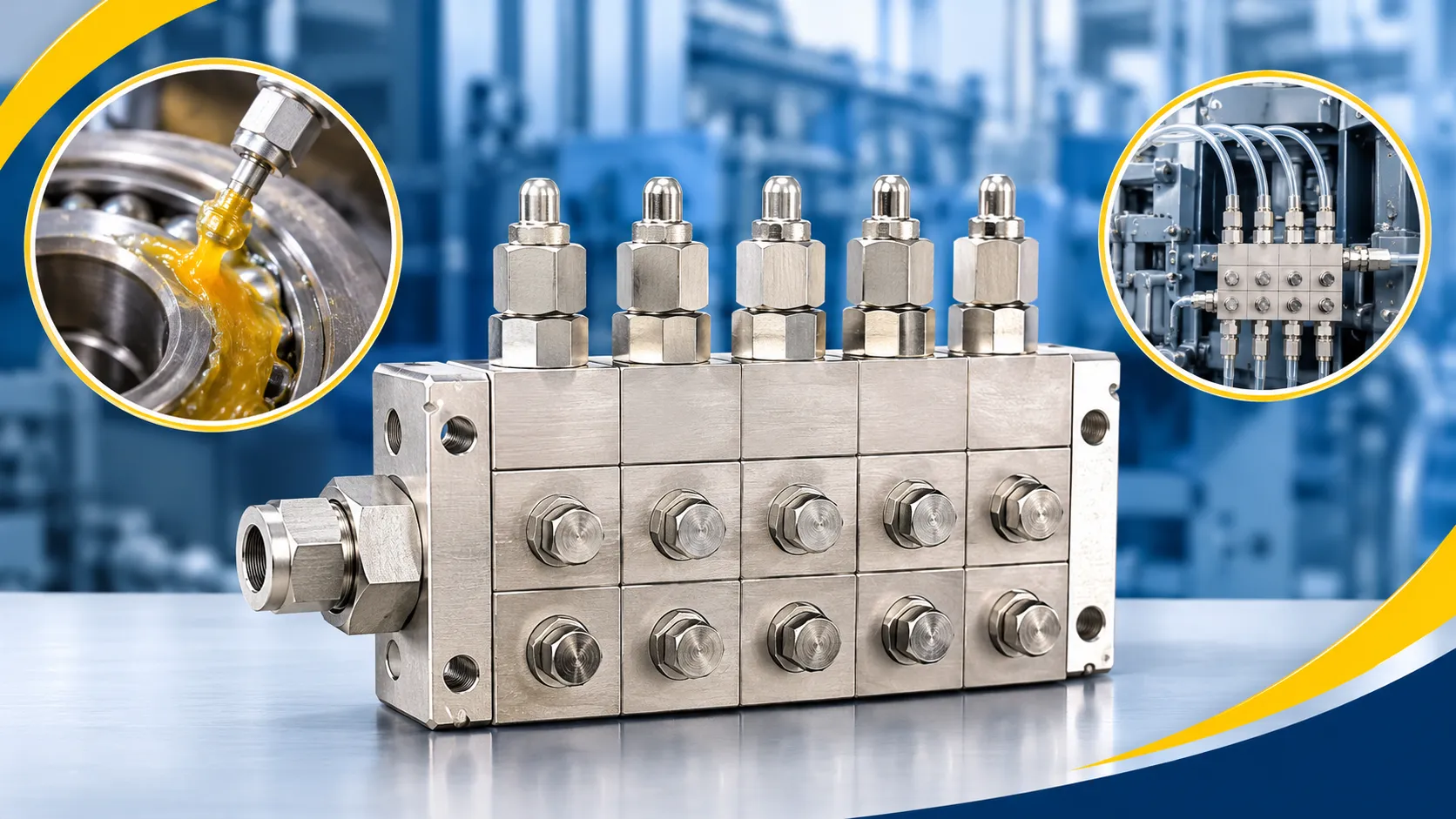
Industrial machinery requires consistent lubrication to maintain smooth operation and reduce unnecessary friction between moving components. In manufacturing facilities, equipment such as conveyors, rolling mills, crushers, and heavy-duty machines often contains several lubrication points. Supplying grease to each point manually can become time-consuming and difficult, especially when machines operate continuously.
Progressive lubrication systems provide a practical solution by distributing measured quantities of grease through a coordinated mechanical arrangement. At the centre of this arrangement is the Progressive Grease Distribution Block, which controls lubricant delivery to multiple connected points in a predetermined sequence.
Understanding how these systems work can help maintenance engineers select appropriate lubrication equipment and improve machinery maintenance practices.
What Is a Progressive Grease Distribution System?
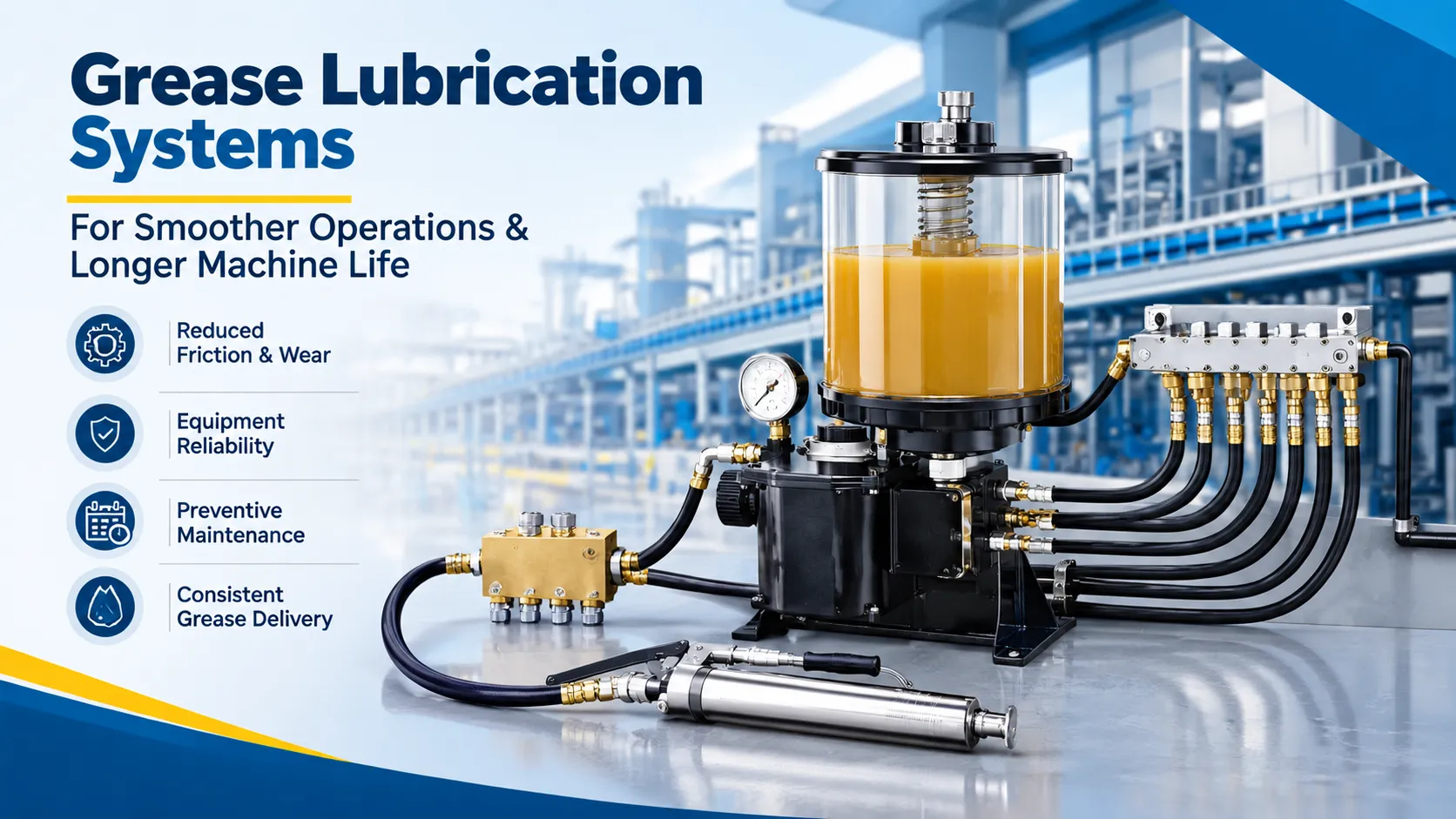
A progressive grease distribution system is a centralized lubrication arrangement designed to deliver controlled quantities of grease to multiple machine components. It generally consists of a grease reservoir, lubrication pump, supply lines, progressive metering blocks, and distribution tubing.
The pump supplies grease under pressure to the primary distribution block. Internal pistons then move sequentially, directing predetermined quantities of lubricant through the available outlets.
Unlike a simple manifold that distributes lubricant through open passages, a progressive distributor uses coordinated piston movement to control the discharge sequence. This makes it suitable for applications where individual lubrication points require specific quantities of grease.
Understanding the Working Principle
The operating principle of progressive distribution depends on the movement of precision-engineered pistons inside the block.
When grease enters the inlet, pressure moves the first piston. Its movement redirects lubricant and allows another piston to operate. This sequence continues through the metering sections until the complete operating cycle is finished.
The process generally involves five stages:
- Lubricant supply: A centralized pump delivers grease through the main supply line.
- Pressure development: Grease pressure initiates piston movement inside the distributor.
- Sequential operation: Each piston operates in a predetermined order.
- Metered discharge: The connected outlets receive their specified lubricant quantities.
- Cycle repetition: The sequence repeats as additional grease is supplied.
The exact discharge volume depends on the distributor design and metering section configuration. Therefore, the required grease quantity should be considered when selecting the equipment.
Why Is Progressive Distribution Useful in Industrial Machinery?
Industrial machinery often operates under heavy loads, vibration, elevated temperatures, and continuous working cycles. These conditions make regular lubrication essential.
A progressive distribution arrangement offers several practical advantages.
Consistent lubricant delivery
The metering mechanism helps supply controlled grease quantities to connected lubrication points. This supports a more organized lubrication process than relying entirely on manual greasing.
Reduced manual maintenance
Centralized grease delivery reduces the need for technicians to visit every lubrication point during routine lubrication cycles. This can make maintenance planning more efficient.
Improved equipment protection
Correct lubrication helps maintain a protective film between moving surfaces. This reduces friction and can limit premature wear in bearings, joints, and other mechanical components.
Better fault identification
A blockage or interruption in a progressive circuit can prevent the piston sequence from completing. Depending on the system configuration, mechanical indicators or compatible sensors can help identify this condition.
Flexible installation
Progressive distributors are available in different configurations. Their outlet arrangements and metering capacities can be selected according to the machinery layout and lubrication requirements.
Main Components of a Progressive Lubrication Arrangement
A reliable installation requires more than the distribution block alone. Each component contributes to overall system performance.
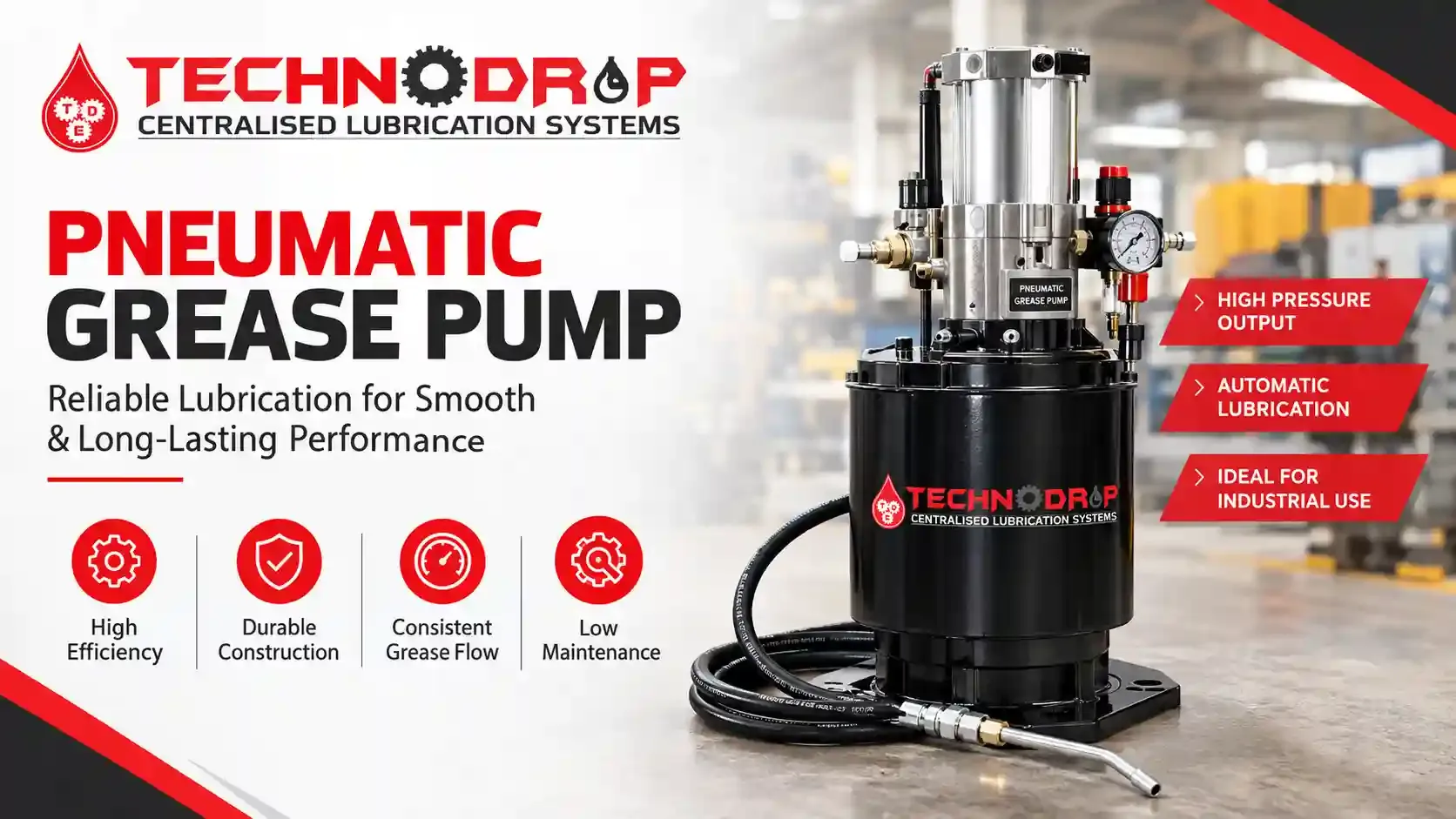
Lubrication pump: Supplies grease at the required pressure and flow conditions.
Grease reservoir: Stores the lubricant and provides a continuous supply to the pump.
Progressive distributor: Controls sequential grease delivery to connected outlets.
Supply tubing: Carries grease from the pump to the distribution block.
Secondary lines: Transport metered grease to individual lubrication points or secondary distributors.
Monitoring devices: Indicators and compatible sensors help monitor distributor operation.
Proper compatibility between these components is essential for reliable performance.
Industrial Applications
Progressive grease distribution systems are used in several industries where multiple machine components require regular lubrication.
In steel and rolling mills, they can support lubrication of selected roller bearings and moving assemblies. In cement manufacturing, suitable systems can supply grease to conveyors, crushers, and other equipment. Mining machinery can also benefit from centralized lubrication where access to individual lubrication points is difficult.
Other applications include heavy engineering equipment, material handling systems, industrial automation machinery, and selected manufacturing production lines.
The final arrangement should always be designed according to machine requirements, operating pressure, grease characteristics, and the number of lubrication points.
How to Select the Right Progressive Distribution Block
Before choosing a distributor, maintenance engineers should evaluate several technical factors.
- Number of required lubrication outlets.
- Grease volume required at each lubrication point.
- Pump pressure and system operating conditions.
- Lubricant type and compatibility.
- Inlet and outlet connection specifications.
- Available mounting space.
- Monitoring and fault-detection requirements.
Businesses should work with experienced Progressive Grease Distribution Block Manufacturers who can provide suitable technical information and help match the equipment to the application.
Choosing an Experienced Manufacturer
When purchasing industrial lubrication components, buyers should evaluate manufacturing quality, material specifications, product configurations, and technical support.
Reliable Progressive Grease Distribution Block Manufacturers in India should be able to explain available metering arrangements, connection options, operating requirements, and maintenance recommendations.
Techno Drop Engineers provides industrial lubrication equipment and solutions for different manufacturing applications. Businesses can explore its Progressive Grease Distribution Block range to understand the available product options.
For wider lubrication requirements, the company's Grease Lubrication Systems page provides additional information about centralized grease distribution solutions.
Maintenance Practices for Reliable Operation
Routine inspection helps maintain the performance of progressive lubrication systems. Maintenance personnel should check grease levels, inspect tubing connections, monitor piston indicators, and look for leakage or damaged lines.
The lubricant should meet the equipment manufacturer's recommendations. Supply lines should remain clean, and any suspected blockage should be investigated rather than ignored.
A planned inspection schedule helps identify problems early and supports dependable machine operation.
Conclusion
Progressive grease distribution systems provide an organized approach to lubricating multiple machine components through controlled sequential delivery. Their metering mechanism, flexible configurations, and monitoring options make them useful in several industrial applications.
By understanding the working principle and selecting suitable equipment, industries can improve lubrication management and support long-term machinery reliability. Working with an experienced manufacturer also helps ensure that the selected distribution block meets the technical requirements of the application.




Sign in to leave a comment.