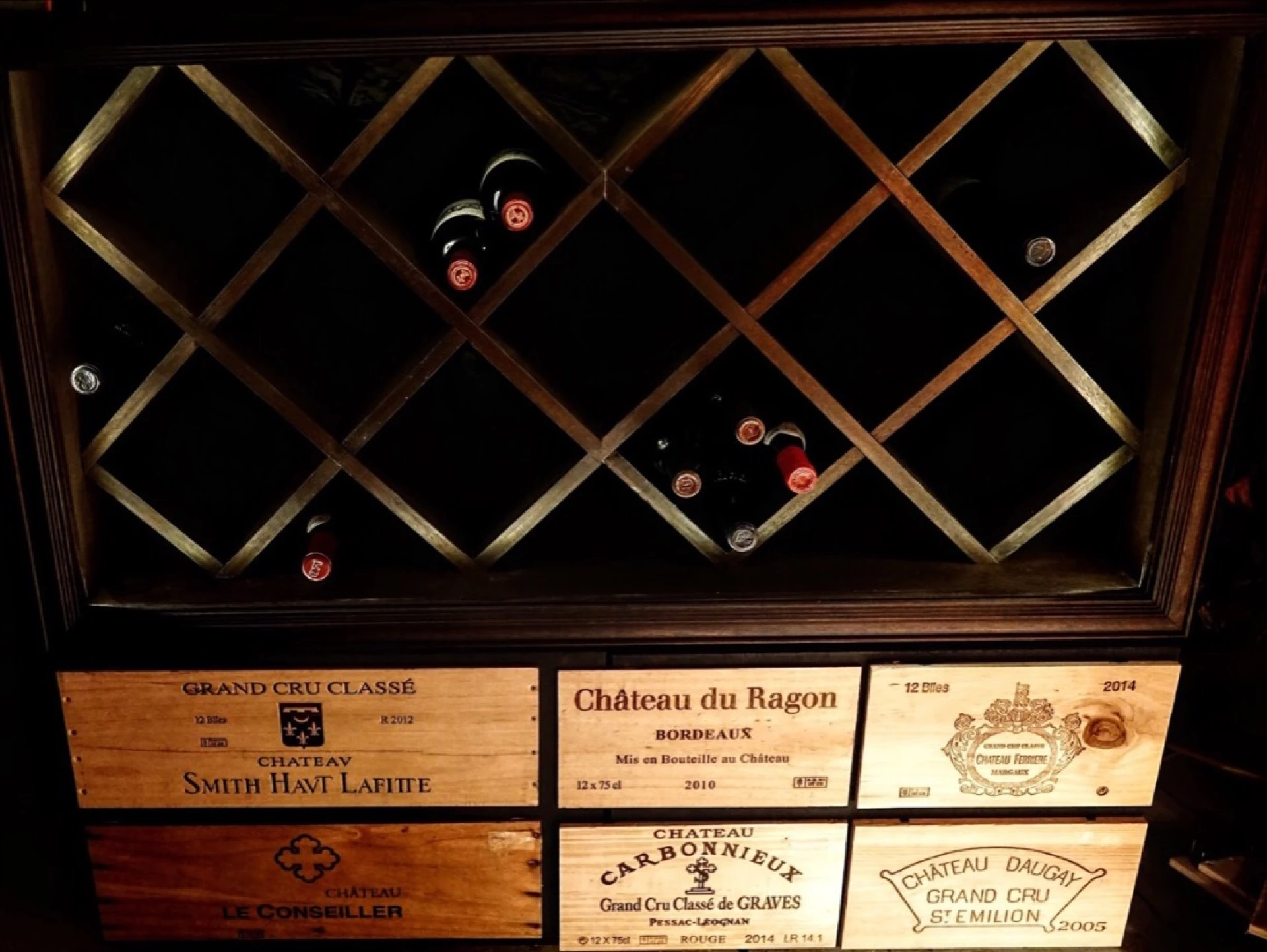

Living in Chicago means experiencing weather that rarely sits still. One week, it is humid and stormy. The next, icy winds cut through the city like glass. Those dramatic seasonal shifts are part of local charm, but they can quietly damage a wine collection if bottles are not stored correctly.
Wine is more sensitive than most people realize. Temperature swings, vibration, humidity, and light all influence how it ages. That is why thoughtful wine storage solutions matter so much here. Proper storage is not just about organization. It is about protection, stability, and preserving what makes each bottle worth collecting in the first place.
Why Chicago’s Climate Is Tough on Wine
Chicago’s climate moves between extremes. Hot, humid summers and long, freezing winters put constant stress on indoor environments. Even well-insulated homes feel the impact. Heating systems dry the air in January. Air conditioning fights sticky humidity in July. Basements warm and cool faster than many homeowners expect.
Wine reacts to every one of those changes.
When temperatures climb above the ideal storage range, wine ages faster than intended. When temperatures drop too low, expansion and contraction can push corks loose or allow air inside the bottle. Rapid fluctuations are especially harmful because they repeatedly stress the liquid and seal.
Humidity plays its own role. Too little moisture dries corks, allowing oxygen to seep in. Too much humidity encourages mold growth on labels and storage surfaces. Homes near Lake Michigan often experience more noticeable moisture swings because of lake-effect weather patterns.
That combination of shifting temperature and humidity is exactly why casual storage spots rarely work here. Kitchen racks, dining room cabinets, or unfinished basements simply cannot maintain consistent conditions year-round.

The Science Behind Stable Wine Storage
Wine thrives in stability. Most collectors aim for a temperature around 55°F with humidity between 50 and 70 percent. But the numbers alone do not tell the full story. Consistency matters just as much as the target range.
Light exposure slowly breaks down compounds in wine, especially in lighter bottles. Vibration disrupts sediment and interferes with long-term aging. Even small movements from nearby appliances or heavy foot traffic can affect bottles stored for years.
This is where intentional wine storage solutions make a difference. Proper insulation prevents outside temperature swings from creeping in. Climate control systems maintain steady conditions through every season. Bottle orientation keeps corks properly hydrated. Materials are selected specifically to avoid moisture damage or warping over time.
Wine storage works best when every element supports stability at once. Remove one factor, and the environment becomes unpredictable again.
How Custom Design Solves Local Challenges
Many Chicago homeowners discover that standard storage options simply cannot handle local weather patterns. That is why custom wine cellars are often designed around the home itself rather than fitted into leftover space.
For example, a garden-level room in a brick bungalow may need different insulation than a high-rise condo storage area. A historic brownstone with older construction requires careful moisture control. Homes with radiant floor heating need special temperature buffering to prevent gradual warming of the storage area.
Design choices respond directly to those realities. Sealed vapor barriers manage humidity. Specialized cooling systems maintain consistent temperatures despite outdoor extremes. Lighting is selected to minimize UV exposure. Even door construction plays a role in keeping conditions steady.
Every detail supports long-term preservation, not just short-term convenience.
Why Installation Quality Matters as Much as Design
Careful planning only works if the space is built correctly. Precise sealing, insulation placement, and climate calibration determine whether a cellar actually maintains stable conditions through January freezes and August heat waves.
That is why professional residential wine cellar installation focuses heavily on environmental control. Air leaks, thermal bridging, and improper material selection can all undermine storage performance. In a climate like Chicago’s, small construction details have big consequences over time.
When installation is done with seasonal stress in mind, the storage environment stays consistent even as outdoor conditions shift dramatically. Bottles rest undisturbed. Aging happens naturally. Collections remain protected year after year.

Baroque Design Custom Wine Cellars specializes in tailored wine storage solutions that protect and showcase collections beautifully. They create custom wine cellars for any layout, style, or vision.
From planning and designing in Chicago to residential wine cellar installation in Lake Forest, their builders and designers handle every detail to deliver a cellar that fits the space and preserves every bottle with care.
About the Author
The author is a lifestyle and design writer who explores how architecture, climate, and everyday living intersect. They focus on the practical side of beautiful spaces, especially those built to protect what people value most. With a strong interest in wine culture and residential design, they enjoy translating technical topics into clear, engaging insights homeowners can actually use.




























Sign in to leave a comment.