

Public safety agencies work in situations where fast action and clear communication are very important. Police officers, firefighters, and medical responders must stay connected while moving across different locations during an emergency. Mobile connectivity allows them to share updates, access important information, and coordinate their actions instantly. With the help of modern technology, teams can respond faster and manage complex incidents more effectively.
Mobile Connectivity in Modern Emergency Response
Today’s emergency operations depend heavily on digital communication. Field teams no longer rely only on radio systems. They also use mobile internet to send data, video, and reports directly to command centres.
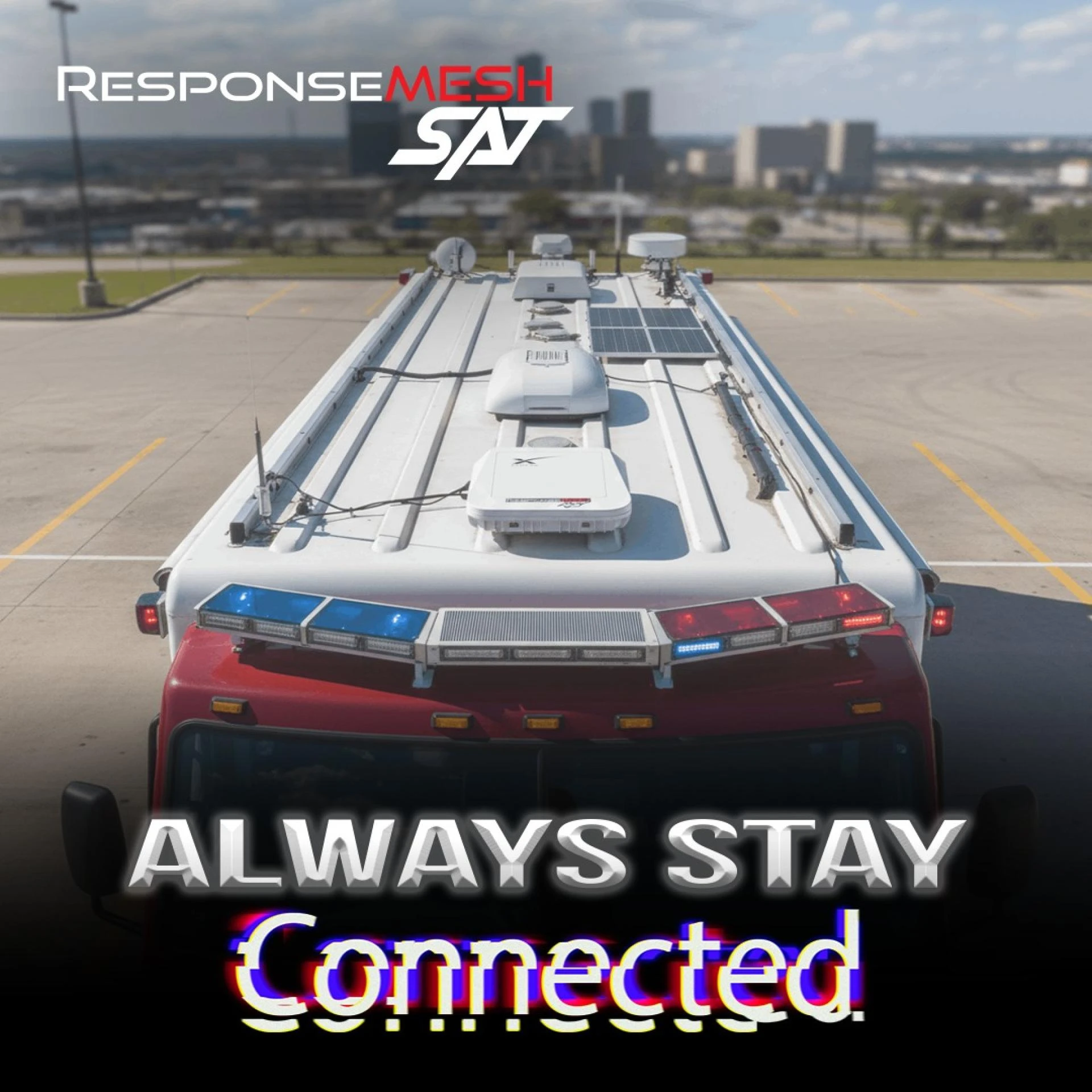
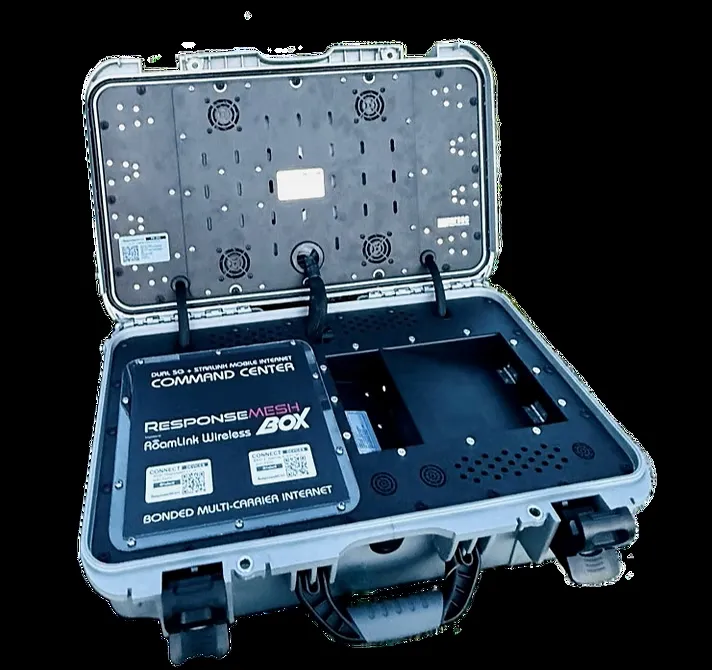
A public safety connectivity device plays a key role in this system. These devices are usually installed in emergency vehicles or carried by field teams. They provide a stable internet connection so responders can stay connected while working in different locations.
This constant connectivity helps agencies maintain better coordination during critical incidents.
Sharing Live Information from the Field
One of the most useful benefits of mobile connectivity is the ability to share live information. Emergency teams can send updates instantly while they are still on the scene.
For example, responders can share:
- Live video from body cameras
- Images of the incident area
- Real-time status updates
- GPS location of vehicles and personnel
When a public safety connectivity device is active, this information reaches the command centre immediately. Leaders can monitor the situation and guide teams based on what they see in real time.
Connecting Multiple Agencies Together
Large emergencies often involve different departments working together. Police, fire departments, ambulance services, and rescue teams must coordinate their efforts carefully.
Mobile connectivity creates a shared communication network between these agencies. When teams use a reliable public safety connectivity device, they can exchange information quickly and avoid misunderstandings.
This shared network helps different agencies work as one coordinated unit instead of separate groups.
Supporting Mobile Command Operations
In many situations, incident command is not located in a fixed building. Command units may operate from vehicles, temporary control centres, or mobile trailers.
Mobile connectivity ensures that this command units stay connected to all field teams. Commanders can send instructions, review reports, and monitor operations while staying close to the incident site.
With the support of a public safety connectivity device, mobile command centres become powerful coordination hubs that help guide emergency response efforts.
Improving Situational Awareness
Situational awareness means understanding exactly what is happening during an emergency. This includes knowing where teams are located, what risks are present, and how the situation is changing.
Mobile connectivity improves this awareness by allowing teams to share data instantly. Command centres can view digital maps, track response units, and receive continuous updates.
When agencies use a reliable public safety connectivity device, they gain a clearer picture of the incident. This helps leaders make better decisions and respond more effectively.
Helping Teams Work Faster and Safer
Communication delays can create serious risks during emergencies. If teams do not receive updates quickly, they may enter dangerous areas or repeat tasks unnecessarily.
Mobile connectivity reduces these risks by keeping everyone informed at all times. Teams can quickly warn each other about hazards, request support, or update their status.
Some key benefits include:
- Faster communication between teams
- Quick sharing of important information
- Better coordination during high-pressure situations
These improvements help emergency responders perform their duties more safely and efficiently.
Reliable Communication While on the Move
Public safety vehicles are always moving during operations. From patrol cars to fire trucks and ambulances, responders must stay connected while travelling.
A public safety connectivity device is designed specifically for mobile environments. It can maintain a strong signal even when vehicles move through different areas. Many devices also switch automatically between networks to keep the connection stable.
This reliability ensures that communication continues without interruption.
Supporting Technology Used by Emergency Teams
Modern public safety operations use many digital tools. These tools require stable internet connectivity to function properly.
Mobile connectivity supports technologies such as:
- Drone surveillance for aerial monitoring
- GPS tracking systems for vehicles
- Digital reporting platforms
- Cloud-based incident management tools
When these technologies work together through a public safety connectivity device, they improve the overall efficiency of emergency response.
Final Thoughts
Mobile connectivity has become an essential part of modern public safety operations. It allows emergency teams to communicate instantly, share important information, and coordinate their actions in real time. By using advanced communication tools and reliable devices, agencies can respond to incidents more quickly and effectively.
As technology continues to evolve, the role of the public safety connectivity device will become even more important. These devices will continue to support emergency teams by providing strong communication networks that help protect communities and save lives.





















Sign in to leave a comment.