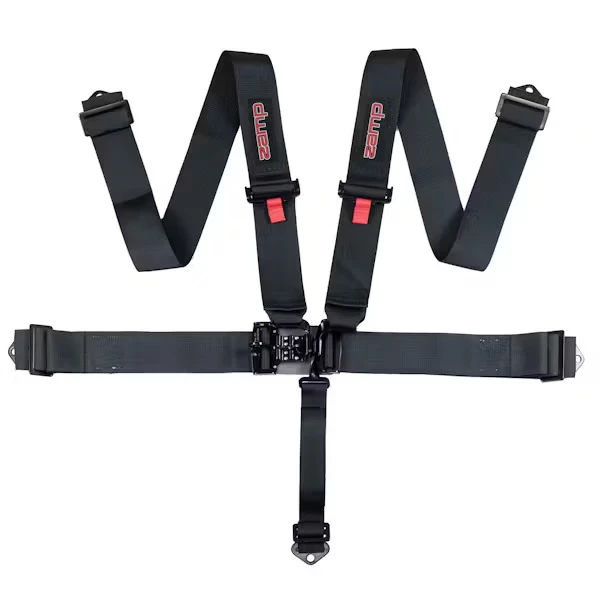

The Critical Role of Driver Restraints in Motorsports
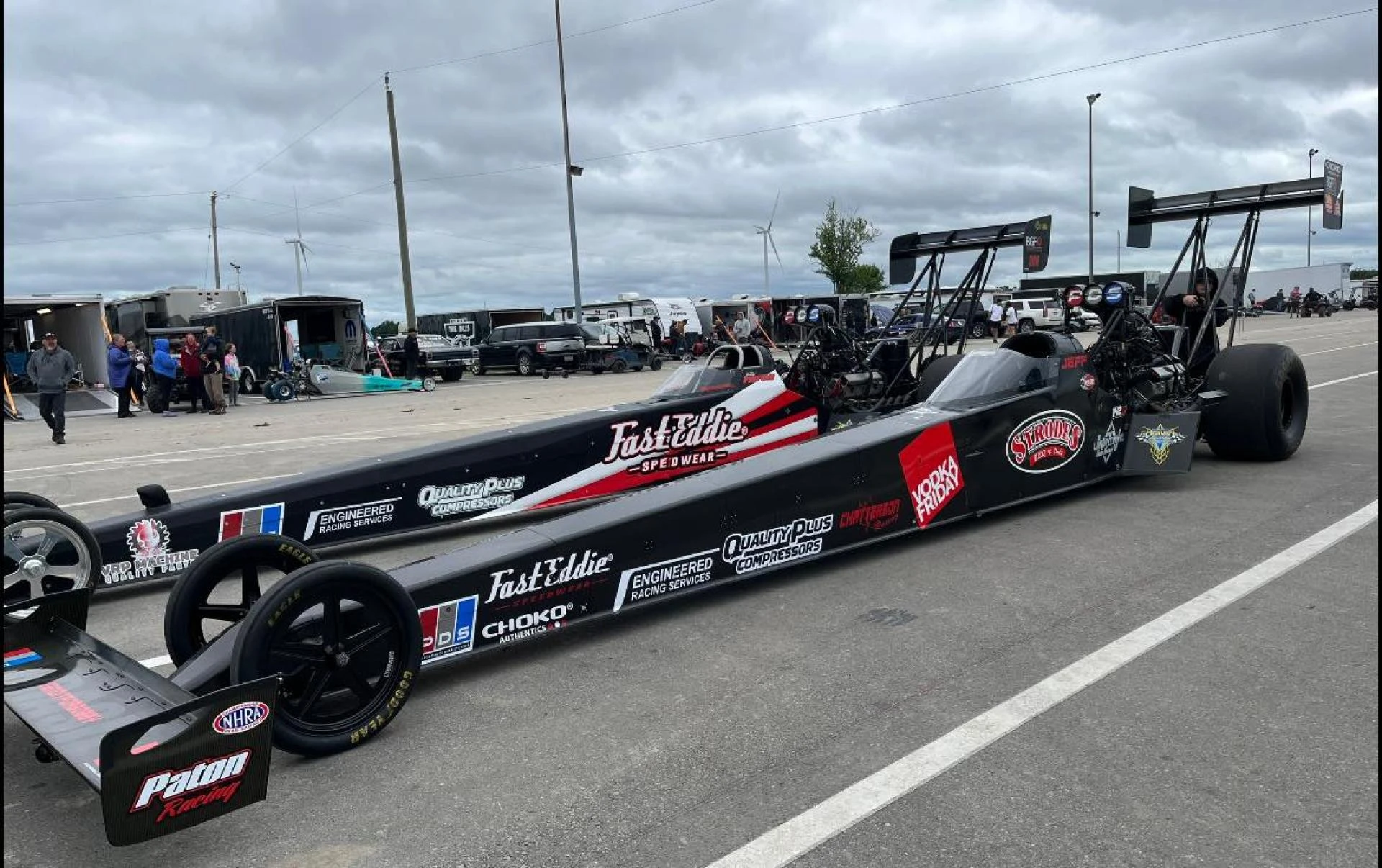
In the world of motorsports, where precision and quick reflexes can determine the outcome of a race, maintaining complete control inside the cockpit is essential. Racing harnesses serve as one of the most important safety and performance components in any competition vehicle. Unlike regular seatbelts found in passenger cars, racing harnesses are engineered to secure the driver firmly in place during extreme forces, rapid direction changes, and high-speed maneuvers. This secure positioning not only protects the driver but also enhances their ability to operate the vehicle efficiently and confidently.
Eliminating Unwanted Body Movement for Improved Control
One of the biggest challenges drivers face during competitive racing is the intense lateral and forward forces acting on their bodies. Standard seatbelts allow a certain degree of movement, which is comfortable for everyday driving but dangerous at racing speeds. Racing harnesses address this issue by distributing restraint forces evenly across the shoulders, torso, and hips. By locking the driver into a stable seated position, harnesses prevent sliding, leaning, or shifting that can interfere with hand placement, steering input, and balance.
This reduction in unwanted body movement allows the driver to maintain precise control of the steering wheel, pedals, and shifter. When the driver is anchored firmly in place, every motion they make is deliberate and exact, rather than influenced by gravitational or inertial forces. As a result, racing harnesses become a key factor in improving lap times and overall vehicle handling.
Enhancing Steering Stability and Accuracy
Steering control is one of the most sensitive aspects of racing. Even the smallest unintended body motion can translate into a steering error, especially on tight corners or high-speed straights. Racing harnesses help solve this problem by keeping the driver’s upper body locked against the seatback. This stability ensures that the driver's shoulders and arms remain steady, allowing for smoother steering inputs and more predictable vehicle response.
Drivers often report that with proper harnesses, their hands remain more stable on the wheel, giving them better feedback and improving their ability to correct or adjust their line. Precision becomes significantly easier when the driver is not fighting against the forces trying to pull them out of position. This improvement in steering accuracy contributes directly to faster cornering speeds and safer maneuvering.
Maintaining Optimal Pedal Control Under Extreme Forces
Just as racing harnesses improve steering precision, they also enhance pedal control. In high-performance driving, braking and throttle use must be precise, smooth, and consistent. However, when the body is not fully supported, the driver's legs must work harder to stabilize themselves, which can interfere with clean pedal input.
With a racing harness securely holding the driver down and back into the seat, the legs are free to focus entirely on operating the pedals. This results in better modulation of braking pressure, more accurate throttle application, and improved control during heel-and-toe shifts. Over the course of a race, this precision reduces unnecessary wear on components and ensures the vehicle performs at its full potential.
Reducing Driver Fatigue for Enhanced Long-Term Performance
Driver fatigue is a serious issue in extended racing sessions, and unnecessary physical strain significantly contributes to early exhaustion. Without proper restraint, drivers are forced to brace their bodies during sharp turns, heavy braking, and rapid acceleration. This constant effort drains energy and reduces concentration over time.
Racing harnesses minimize fatigue by supporting the body in a natural, stable position. With less muscular effort required to remain upright and balanced, drivers conserve energy for the tasks that matter—controlling the vehicle and reading the track. Lower fatigue levels lead to improved focus, quicker reflexes, and more consistent performance throughout the race.
Balancing Safety and Performance Without Compromise
Although the primary purpose of a racing harness is safety, its performance advantages cannot be overlooked. By restricting dangerous movement in a crash, the harness protects the driver from impact injuries. At the same time, its secure fit enhances driving control, stability, and endurance. Modern harnesses are designed with advanced materials and ergonomic features that provide strength without sacrificing comfort, ensuring drivers can perform at their best throughout long sessions.




























Sign in to leave a comment.