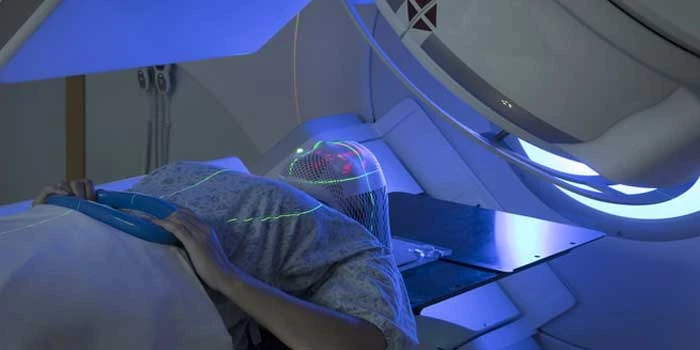

Understanding Metastatic Cancer and Radiation Therapy
Metastatic cancer occurs when cancer cells spread from the primary tumor to other parts of the body. This condition often poses significant treatment challenges, as the cancer is no longer confined to one location. Advances in Radiation Oncology Treatment have made it possible to manage metastatic cancer effectively, helping to reduce symptoms, slow tumor growth, and improve the patient’s quality of life.
Radiation therapy uses high-energy beams to target and destroy cancer cells while minimizing damage to surrounding healthy tissues. It plays a crucial role in controlling metastatic cancer by reducing tumor size, alleviating pain, and enhancing the effectiveness of other treatments such as chemotherapy and immunotherapy.
How Radiation Therapy Works for Metastatic Cancer
Radiation therapy can be used in different ways depending on the location, number of metastatic sites, and the overall health of the patient. Some of the key applications include:
- Palliative Radiation Therapy: This form of treatment helps relieve pain, control bleeding, and reduce symptoms caused by tumor growth in critical areas such as bones, lungs, and brain.
- Stereotactic Body Radiation Therapy (SBRT): A highly precise method that delivers concentrated doses of radiation to small metastatic tumors, sparing surrounding healthy tissues.
- Whole Brain Radiation Therapy (WBRT): Used when cancer has spread to multiple areas in the brain, helping to slow disease progression and manage neurological symptoms.
- Radiosurgery (SRS): A non-invasive technique that uses targeted radiation beams to treat metastases in the brain and spine with minimal side effects.
Benefits of Radiation Therapy in Metastatic Cancer
Radiation therapy is a powerful tool in the fight against metastatic cancer, offering several important benefits:
- Pain Relief: Tumors pressing against nerves or bones can cause severe pain. Radiation helps shrink these tumors, providing much-needed relief.
- Improved Mobility and Functionality: Patients experiencing difficulty in movement due to bone metastases often benefit from radiation, which strengthens affected bones.
- Enhanced Treatment Effectiveness: When combined with chemotherapy or targeted therapies, radiation can improve treatment outcomes by weakening cancer cells.
- Minimally Invasive Approach: Unlike surgery, radiation therapy does not require incisions, reducing recovery time and the risk of complications.
- Better Quality of Life: By controlling symptoms and reducing tumor burden, radiation therapy helps patients maintain independence and daily activities for a longer period.
Personalized Radiation Therapy for Metastatic Cancer Patients
Each patient’s condition is unique, requiring a personalized treatment approach. At ICCG India, specialists in Radiation Oncology Treatment in Chennai carefully evaluate the type and extent of metastases before designing an individualized radiation plan. Advanced imaging techniques such as MRI, CT scans, and PET scans are used to map out the affected areas, ensuring precise targeting of cancer cells.
The decision to use radiation therapy depends on various factors, including:
- The location and size of metastases
- The patient’s overall health and treatment history
- The presence of symptoms affecting daily life
- Response to previous treatments
With state-of-the-art radiation oncology technology, ICCG India ensures that patients receive the most effective and least invasive radiation treatments tailored to their specific needs.
Managing Side Effects of Radiation Therapy
While radiation therapy is generally well-tolerated, some patients may experience side effects depending on the treatment area and dose. Common side effects include:
- Fatigue: Many patients feel tired during and after treatment. Adequate rest and a balanced diet can help manage this.
- Skin Irritation: Redness, peeling, or sensitivity in the treated area may occur, requiring gentle skincare routines.
- Nausea and Digestive Issues: If radiation is directed at the abdomen, patients might experience mild nausea, which can be managed with dietary adjustments.
- Hair Loss: Radiation to the head may result in temporary hair loss in the treated region.
Doctors at ICCG India closely monitor patients to minimize these side effects and provide supportive care throughout the treatment journey.
The Future of Radiation Oncology in Metastatic Cancer Treatment
Advancements in radiation therapy continue to improve outcomes for metastatic cancer patients. Emerging technologies such as proton therapy, which delivers radiation with extreme precision, and image-guided radiation therapy (IGRT), which ensures real-time accuracy, are transforming cancer treatment.
Ongoing research also explores the combination of radiation with immunotherapy, aiming to enhance the immune system’s ability to fight metastatic cancer more effectively. Personalized treatment plans based on genetic markers and tumor biology are also shaping the future of radiation oncology.
Conclusion
Radiation therapy plays a vital role in treating metastatic cancer, offering pain relief, improved quality of life, and enhanced treatment effectiveness. Patients in Chennai seeking expert Radiation Oncology Treatment can rely on ICCG India for world-class care, advanced treatment options, and compassionate support.
ICCG India is committed to providing the best services in Chennai, ensuring that every patient receives personalized and effective cancer treatment. With cutting-edge technology and a dedicated team of oncology specialists, patients can find hope and healing in their cancer journey.





























Sign in to leave a comment.