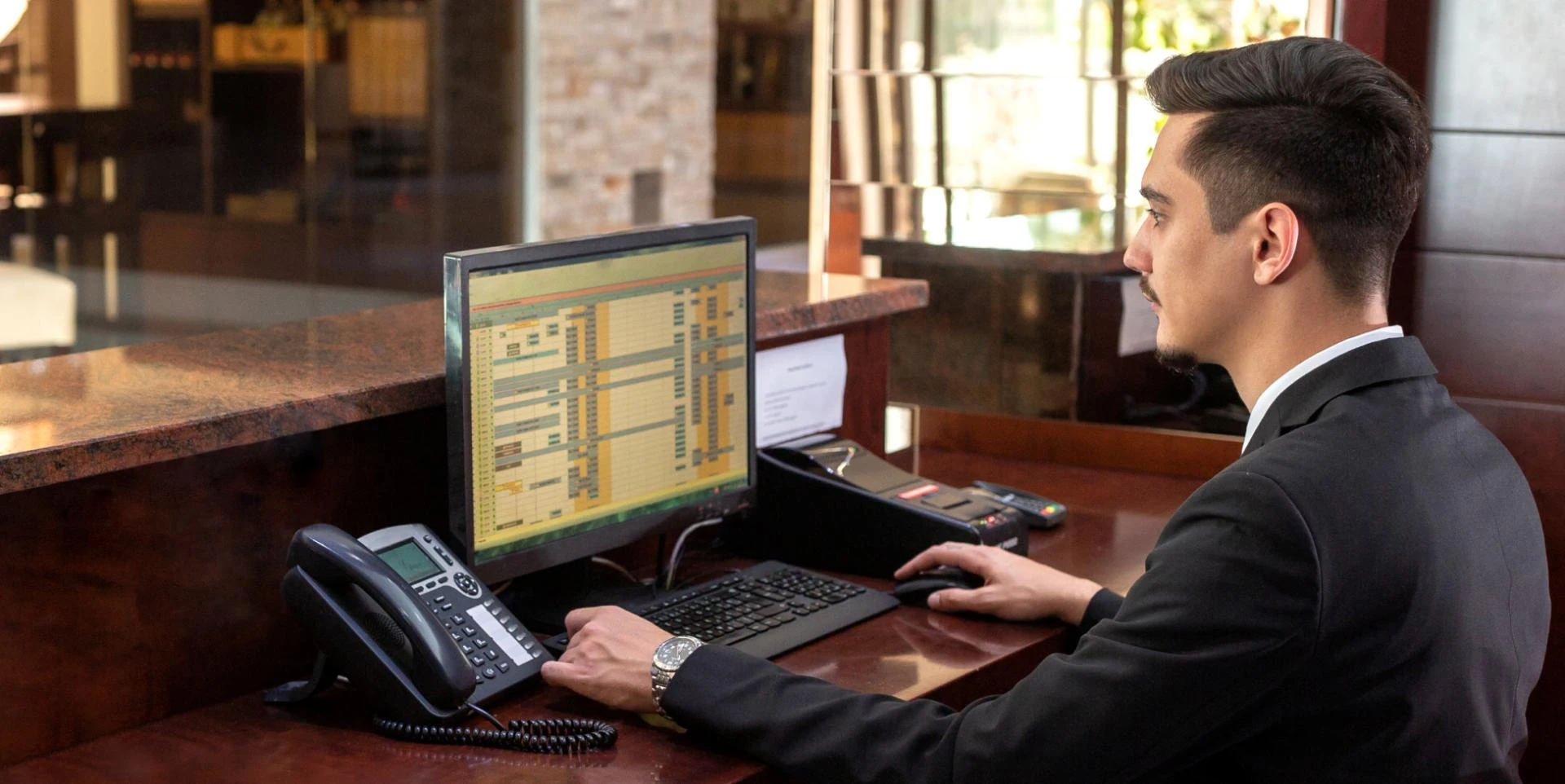

In today's digital landscape, real-time guest feedback for hotels is more important than ever. Travelers rely heavily on online reviews to make booking decisions, and a single negative experience can impact a hotel's reputation. To maintain a competitive edge, hotels must actively monitor and respond to guest feedback as it happens. This approach not only helps in addressing guest concerns promptly but also strengthens a hotel's credibility, ultimately leading to increased bookings and better guest satisfaction.
The Growing Importance of Online Reviews in Hospitality
The hospitality industry is driven by guest experiences, and online reviews have become the go-to source for potential customers looking to book accommodations. According to studies, over 80% of travelers read reviews before making a reservation. With such a heavy reliance on online opinions, hotels must take proactive steps to manage their reputation. This is where hotel review monitoring software plays a crucial role, allowing hoteliers to track, analyze, and respond to guest feedback efficiently.
What is Real-Time Review Monitoring?
Real-time review monitoring is the process of tracking guest reviews across various platforms, including Google, TripAdvisor, Yelp, and OTA websites like Booking.com and Expedia. Instead of manually checking each platform, hotels can use automated tools to receive instant alerts whenever a new review is posted. This immediate access enables hotel management to address issues swiftly, showing guests that their opinions are valued and that the hotel is committed to providing excellent service.
Benefits of Real-Time Review Monitoring for Hotels
1. Quick Response to Guest Concerns
One of the biggest advantages of real-time monitoring is the ability to respond promptly to guest complaints. A quick and thoughtful response to a negative review can turn an unhappy guest into a loyal customer. It also signals to potential guests that the hotel is responsive and cares about customer satisfaction.
2. Enhanced Guest Experience
By keeping track of guest feedback in real-time, hotels can identify recurring issues and take corrective action before they become widespread problems. Whether it’s slow Wi-Fi, housekeeping concerns, or check-in delays, real-time monitoring helps hotels resolve these issues swiftly, leading to better guest experiences.
3. Improved Online Reputation
A well-managed online reputation is critical in attracting new guests. Through real-time review monitoring, hotels can engage with guests positively, address their concerns, and highlight their strengths. Over time, this proactive approach enhances overall ratings, encouraging more bookings and fostering guest trust.
4. Competitive Advantage
Hotels that actively monitor and respond to guest reviews stand out from competitors who take a passive approach. A strong online presence with frequent and professional responses to reviews builds credibility, making a hotel more attractive to travelers.
5. Data-Driven Decision Making
Hotel review monitoring software not only helps in responding to reviews but also provides valuable insights into guest preferences. By analyzing trends in feedback, hoteliers can make data-driven decisions to improve services, optimize operations, and even adjust pricing strategies based on guest sentiment.
Implementing Real-Time Review Monitoring in Your Hotel
1. Invest in Hotel Review Monitoring Software
Manually tracking reviews across multiple platforms can be time-consuming and inefficient. Investing in hotel review monitoring software automates the process, ensuring that hotels never miss a review and can respond in a timely manner.
2. Establish a Response Strategy
Having a well-defined response strategy ensures that all reviews, whether positive or negative, receive professional and consistent replies. Acknowledge positive reviews with gratitude and address negative reviews with solutions and an offer to rectify any issues.
3. Train Staff on Reputation Management
Hospitality reputation management is a team effort. Ensure that hotel staff are trained on how to handle online reviews, maintain professionalism in responses, and use feedback to enhance guest experiences.
4. Leverage Feedback for Improvement
Guest reviews provide a wealth of information about what’s working and what needs improvement. Regularly analyze feedback trends and take action to improve areas of concern, ultimately leading to higher guest satisfaction and repeat bookings.
Conclusion
In the competitive world of hospitality, real-time review monitoring is no longer optional—it’s a necessity. Hotels that prioritize real-time guest feedback gain a significant advantage in managing their online reputation, enhancing guest experiences, and increasing bookings. By leveraging hotel review monitoring software and adopting proactive hospitality reputation management strategies, hotels can stay ahead of the competition and continue to thrive in the digital era.


























Sign in to leave a comment.