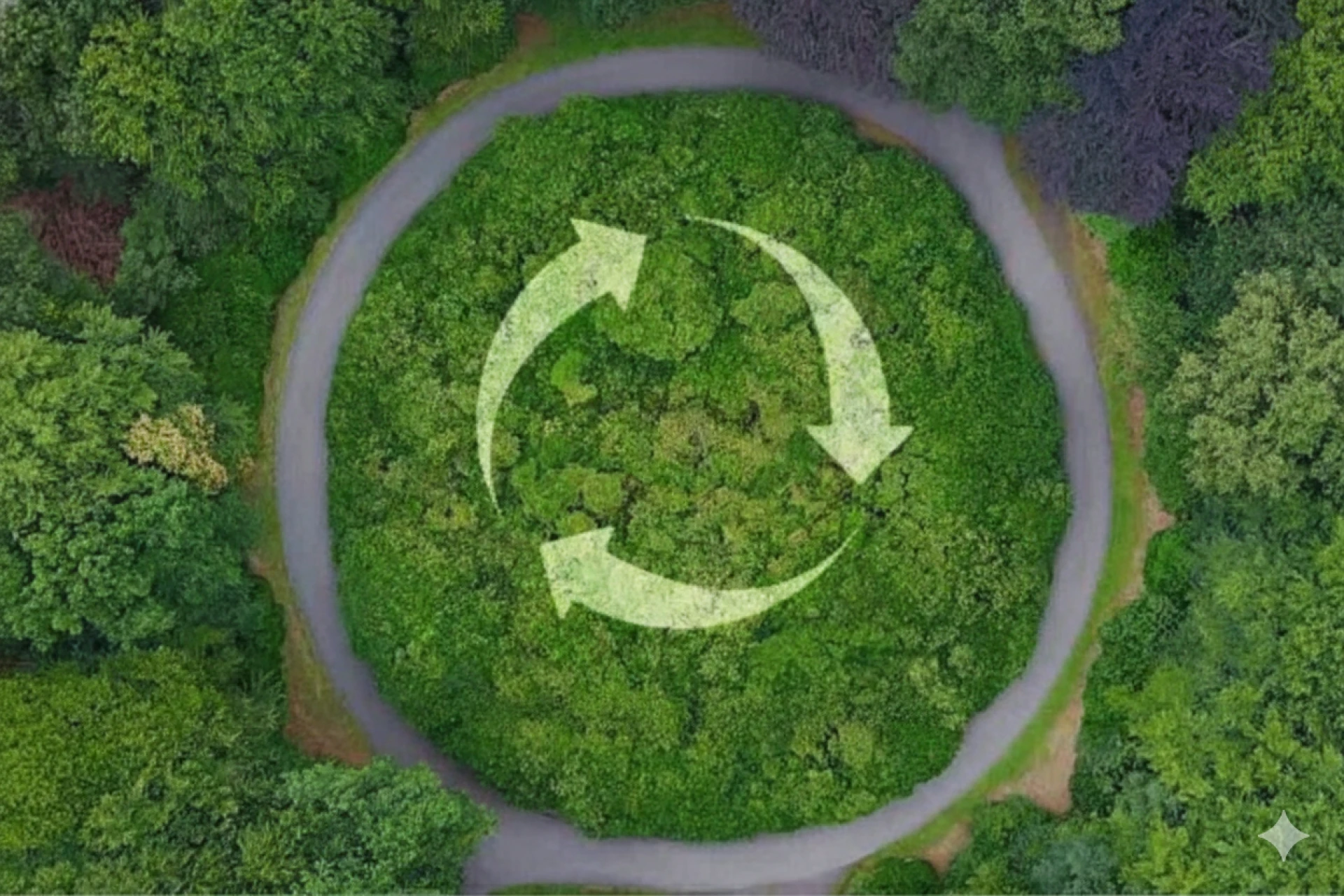

Recycling is often seen as being central to a Circular Economy. By conserving resources, reducing waste, and creating new opportunities, recycling ensures a more sustainable and resilient future.
Understanding the Circular Economy
The Circular Economy is a fundamental change in the way we produce and consume products. Unlike the linear model of “take, make, dispose,” it focuses on extending the lifecycle of products by reusing, repairing, and recycling materials. Instead of treating waste as the end of the line, this model views it as a valuable resource that can be reintroduced into the economy.
Imagine a simple scenario: a plastic bottle. In a linear system, it is used once and discarded, likely ending up in a landfill. In a circular system, that same bottle is collected, recycled, and turned into new products. This process reduces environmental stress while ensuring that resources remain in circulation.
Why Recycling is Essential to the Circular Economy
Recycling is not only an environmental responsibility—it is the backbone of a functioning Circular Economy. Its importance can be understood across several dimensions:
Resource Conservation
Recycling reduces dependence on virgin materials such as timber, minerals, and fossil fuels. By reintroducing recycled inputs, industries preserve natural ecosystems and lower extraction costs.
Waste Reduction
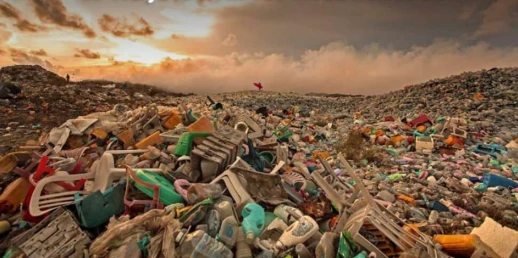
Landfills and oceans are burdened with growing amounts of waste. Recycling diverts materials from these disposal sites, reducing pollution and protecting biodiversity.
Energy and Emissions Savings
Manufacturing from recycled materials consumes less energy compared to using raw resources. This directly lowers greenhouse gas emissions, supporting climate action.
Economic Opportunities
Recycling creates jobs in collection, processing, and remanufacturing. It also drives innovation in product design, as industries respond to the demand for recyclable and sustainable products.
Stronger Communities
Community-led recycling initiatives not only improve local environments but also build awareness and participation, making sustainability a collective effort.
Everyday Recycling and Its Impact
Everyone has a role to play in advancing the Circular Economy. Small lifestyle adjustments can make a large difference:
- Separate household waste into recyclables and non-recyclables.
- Choose reusable options such as cloth bags, refillable bottles, and durable containers.
- Support community drives that promote responsible waste management.
Take, for example, a residential community that decides to manage waste more responsibly. By separating plastics, paper, and metals for recycling, the amount of trash sent to landfills drops significantly. Over time, residents notice cleaner surroundings, reduced pollution, and even lower disposal costs. Such real-life examples highlight how everyday participation strengthens the foundation of a circular system.
Conclusion
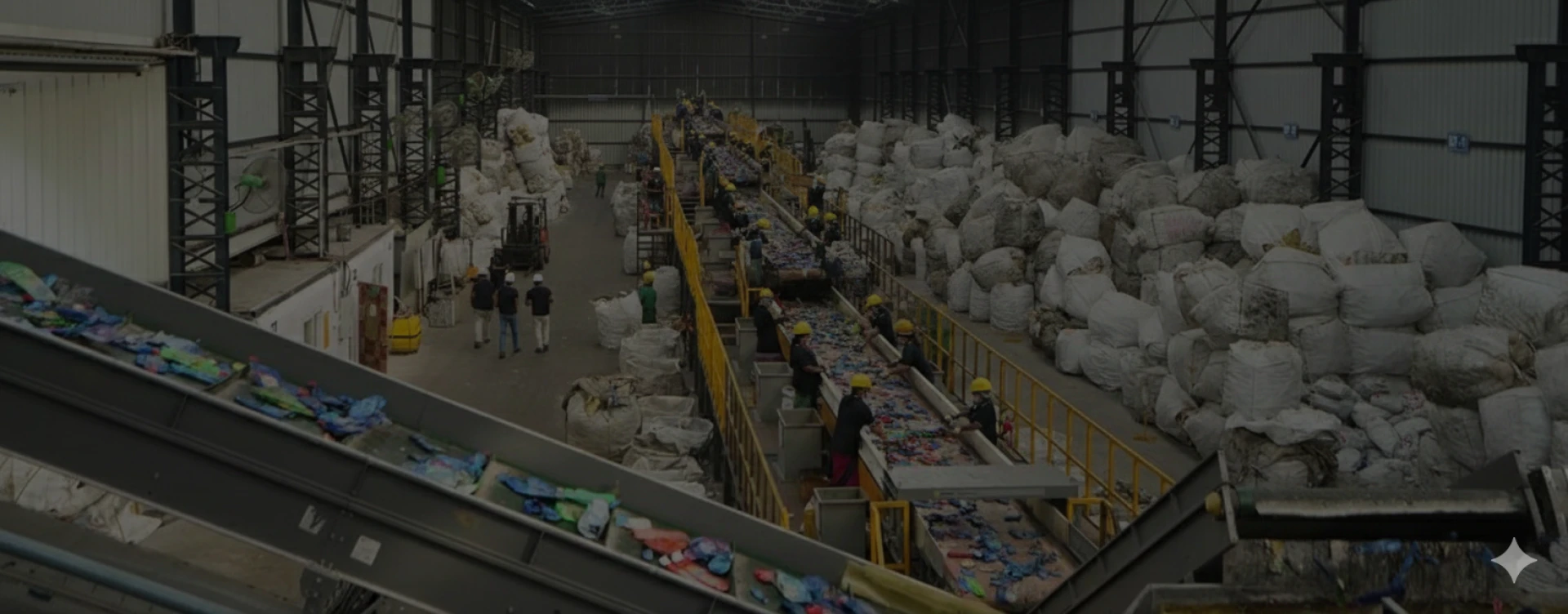
Recycling lies at the core of a successful Circular Economy, ensuring that resources are continuously repurposed rather than discarded. By conserving materials, reducing pollution, and encouraging innovation, recycling transforms waste into opportunity. Organisations like Banyan Nation exemplify this commitment by converting discarded plastics into high-quality recycled materials and promoting sustainable practices. With collective action, recycling can lead the way in building a truly circular and resilient future.

























Sign in to leave a comment.