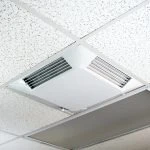

Commercial buildings rely heavily on efficient HVAC systems to maintain a comfortable and productive environment for occupants. One often overlooked aspect of these systems is the proper management of airflow through ceiling vents. Specialized solutions such as vent air diffusers and ceiling deflectors are designed specifically to optimize airflow in commercial settings. Could redirecting AC vents be the key to improving airflow efficiency and overall comfort in commercial spaces?
Let’s explore how specific products like vent air diffusers can make a significant difference in optimizing airflow within commercial spaces.
The Role of Vent Air Diffusers in Commercial HVAC Systems
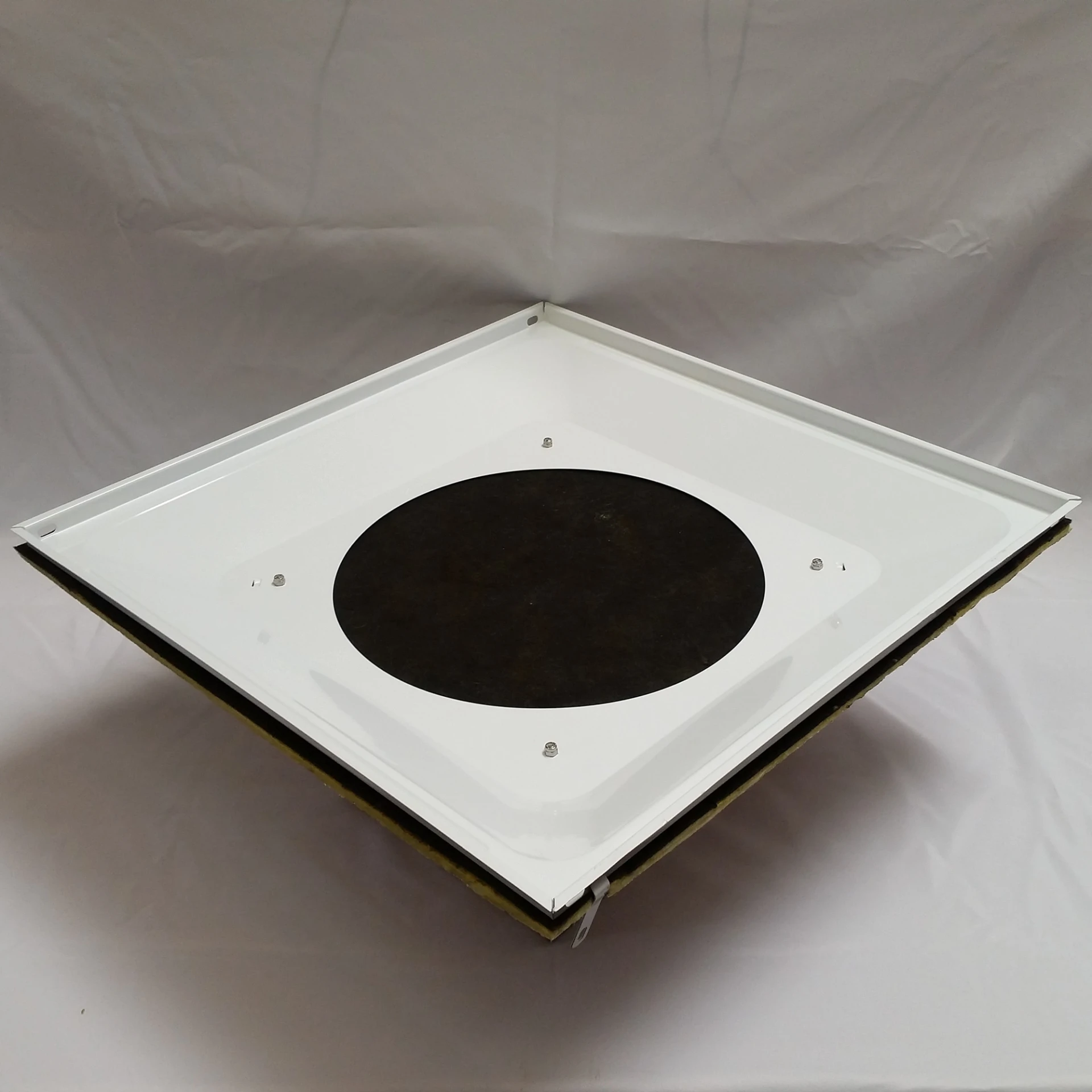
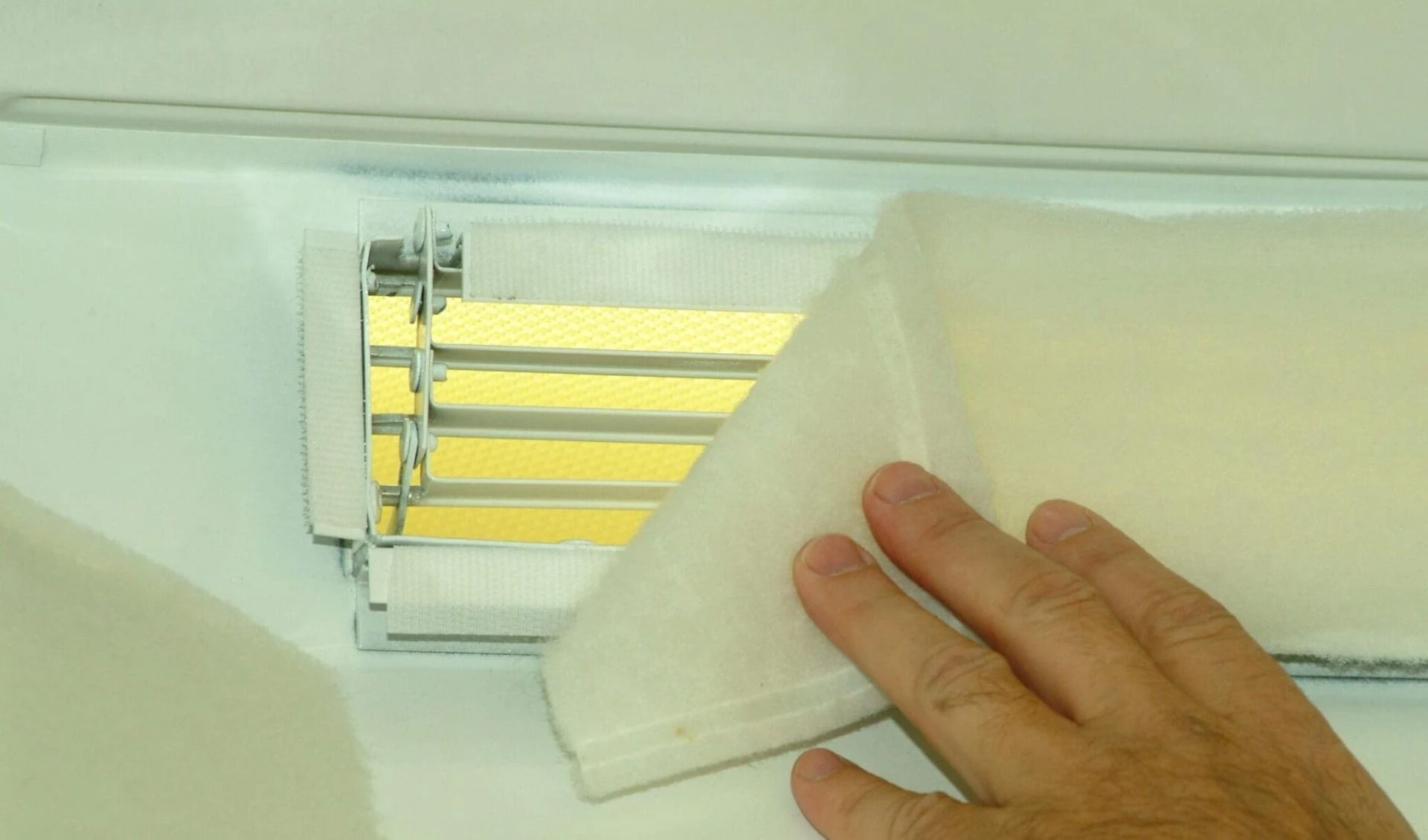
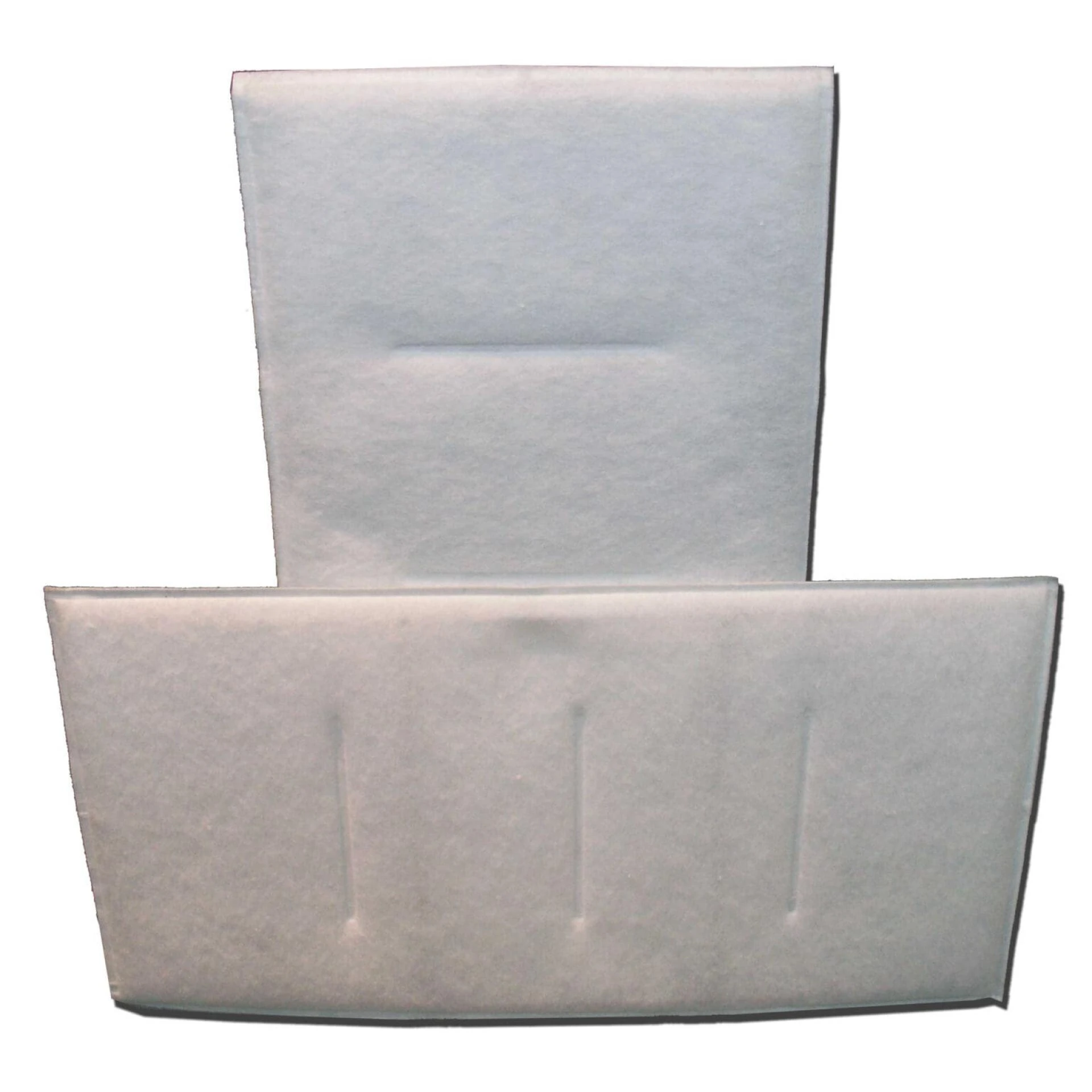
Vent air diffusers play a critical role in distributing conditioned air evenly throughout large commercial areas. These ceiling-mounted devices help break up the airflow, promoting better air mixing and preventing hot or cold spots. By using specialized filtered directional HVAC diffusers, air quality can be improved while ensuring that the air is delivered efficiently to occupied zones. Such diffusers can also help reduce drafts that may otherwise cause discomfort or lead to inefficient energy use.
Efficient vent air diffusers contribute to a balanced HVAC system that supports occupant comfort and energy savings, which are essential factors in commercial property management.
Common Airflow Challenges in Commercial Spaces
Commercial buildings often face challenges with airflow distribution due to architectural layout, high ceilings, and the varied placement of workstations or equipment. Improper airflow can lead to uneven temperature zones, wasted energy, and dissatisfied occupants.
For example, when air is directed straight downward or toward unoccupied areas, parts of the space may remain under-conditioned, causing HVAC systems to work harder to maintain overall comfort. This inefficiency leads to increased operational costs and reduced lifespan of HVAC equipment.
How Redirecting AC Vents Enhances Airflow Efficiency
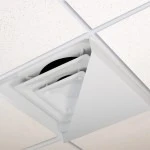
Redirecting AC vents using specialized ceiling air deflectors offers a practical solution to airflow inefficiency. These devices guide the flow of air away from obstacles such as lighting fixtures, partitions, or equipment and toward occupied spaces where it is needed most.
By choosing the right deflector product, commercial facility managers can effectively redirect AC vent airflow to improve comfort and reduce the energy demands on HVAC systems. Redirecting AC vent airflow helps eliminate stagnant air pockets and uneven temperature zones, fostering a healthier and more productive indoor environment.
Benefits of Using Ceiling Air Deflectors and Diverters
Ceiling air deflectors and diverters provide several advantages in commercial HVAC management:
- Reduce drafts in occupied spaces to enhance comfort without compromising airflow.
- Improve air distribution across large rooms with high ceilings.
- Help maintain consistent temperatures by redirecting airflow to where it is most effective.
- Support energy efficiency by reducing the need for additional heating or cooling.
- Easy installation on existing vents without extensive modifications.
A range of durable and reliable deflectors and diverters designed to fit standard commercial ceiling vents ensures compatibility and performance in various commercial settings.
Selecting the Right Products for Commercial Applications
Commercial environments vary widely, from offices and retail spaces to warehouses and educational facilities. Each setting requires a tailored approach to airflow management.
When selecting products like vent air diffusers or ceiling air deflectors, it is important to consider factors such as:
- The size and shape of the space.
- Existing HVAC system capacity.
- Occupant density and layout.
- Locations of potential airflow obstructions.
Proper assessment and selection of the appropriate diffuser, deflector, or diverter can significantly enhance the efficiency of an HVAC system and improve indoor air quality.
Maintaining HVAC Performance with Airflow Solutions
Incorporating airflow management products, such as filtered directional HVAC diffusers and ceiling air deflectors, is not a one-time fix but rather part of ongoing commercial HVAC maintenance.
Regular inspections and adjustments help ensure that redirected airflow continues to meet the space's needs, especially as layouts or occupancy change. These solutions work in tandem with air filters and routine system servicing to sustain optimal airflow conditions.
Conclusion
Redirecting AC vents through the use of vent air diffusers, ceiling air deflectors, and air vent diverters provides a strategic approach to enhancing airflow efficiency in commercial buildings. These solutions reduce drafts, promote even air distribution, and contribute to better occupant comfort and energy savings.
Visit the relevant website for more information on services and products designed to improve commercial HVAC airflow efficiency.



























Sign in to leave a comment.