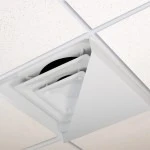

Maintaining optimal indoor comfort in commercial buildings is a critical factor that influences productivity, occupant satisfaction, and energy efficiency. While central HVAC systems are designed to regulate temperature across large areas, they often struggle with uneven air distribution. This can lead to discomfort, complaints, and increased energy usage. Installing air vent diverters and deflectors provides a simple yet effective way to address these common issues and improve overall air management.
Why Balanced Air Distribution Matters
In commercial spaces, vents are typically placed in ceilings to distribute air throughout the room. However, this placement can cause airflow to be concentrated in specific areas, leaving some zones too hot or too cold. Individuals sitting directly beneath ceiling vents may feel a constant blast of cold or warm air, while others experience inadequate circulation.
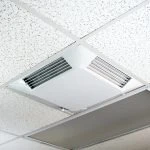
Air vent diverters and deflectors redirect the flow of air more evenly throughout the room. By diffusing airflow away from concentrated areas, they help maintain a consistent temperature across the space. This balanced distribution reduces the need for thermostat adjustments and allows HVAC systems to operate more efficiently.
Enhancing Comfort and Preserving Air Quality
Uncontrolled airflow can result in discomfort, fatigue, and even health concerns. Direct exposure to vents may lead to dry skin, irritated eyes, or respiratory issues due to dust and particles carried by the air. Redirecting this flow using an air conditioning vent deflector helps prevent air from blowing directly on occupants, reducing discomfort without compromising the effectiveness of ventilation.
By promoting better air circulation, these deflectors also contribute to improved indoor air quality. Stagnant air pockets are minimized, and conditioned air is distributed more thoroughly, leading to a fresher and healthier environment for everyone in the building.
Reducing Strain on HVAC Systems
When airflow is inconsistent, building occupants often adjust thermostats in an attempt to regulate temperature manually. This reactive behavior can cause HVAC systems to work harder than necessary, increasing energy consumption and potentially shortening equipment lifespan.
With air deflectors for ceiling vents, airflow is optimized to eliminate hot and cold spots, reducing the need for frequent adjustments. This leads to a more stable indoor environment and allows the HVAC system to operate under less strain, contributing to long-term energy savings and lower maintenance costs.
Supporting Productivity and Wellbeing
Comfort is directly linked to concentration and job performance. In offices, retail spaces, or public buildings, employees and visitors alike are more productive and satisfied when the temperature is consistent and drafts are minimized. Installing diverters and deflectors supports this by removing discomfort caused by direct air blasts and ensuring no area is overlooked in airflow distribution.
Moreover, preventing direct airflow exposure reduces the chance of airborne particles being circulated in concentrated streams, creating a cleaner and healthier atmosphere. This supports overall wellness and can lead to fewer absences or health-related complaints.
Easy Integration and Versatility
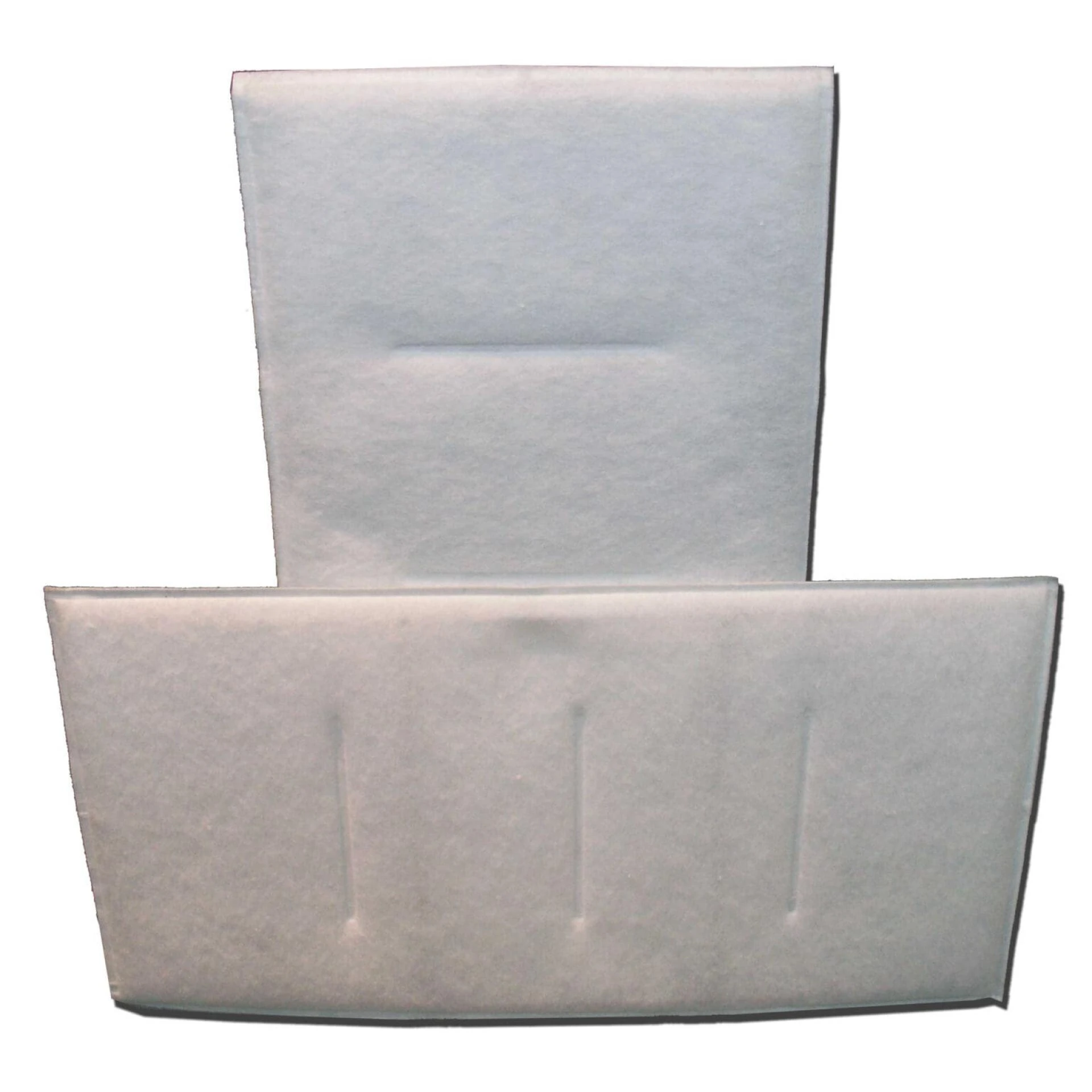
One of the significant advantages of using air vent diverters and deflectors is their compatibility with various vent types and layouts. Their unobtrusive appearance ensures they blend well with commercial interiors while enhancing functionality.
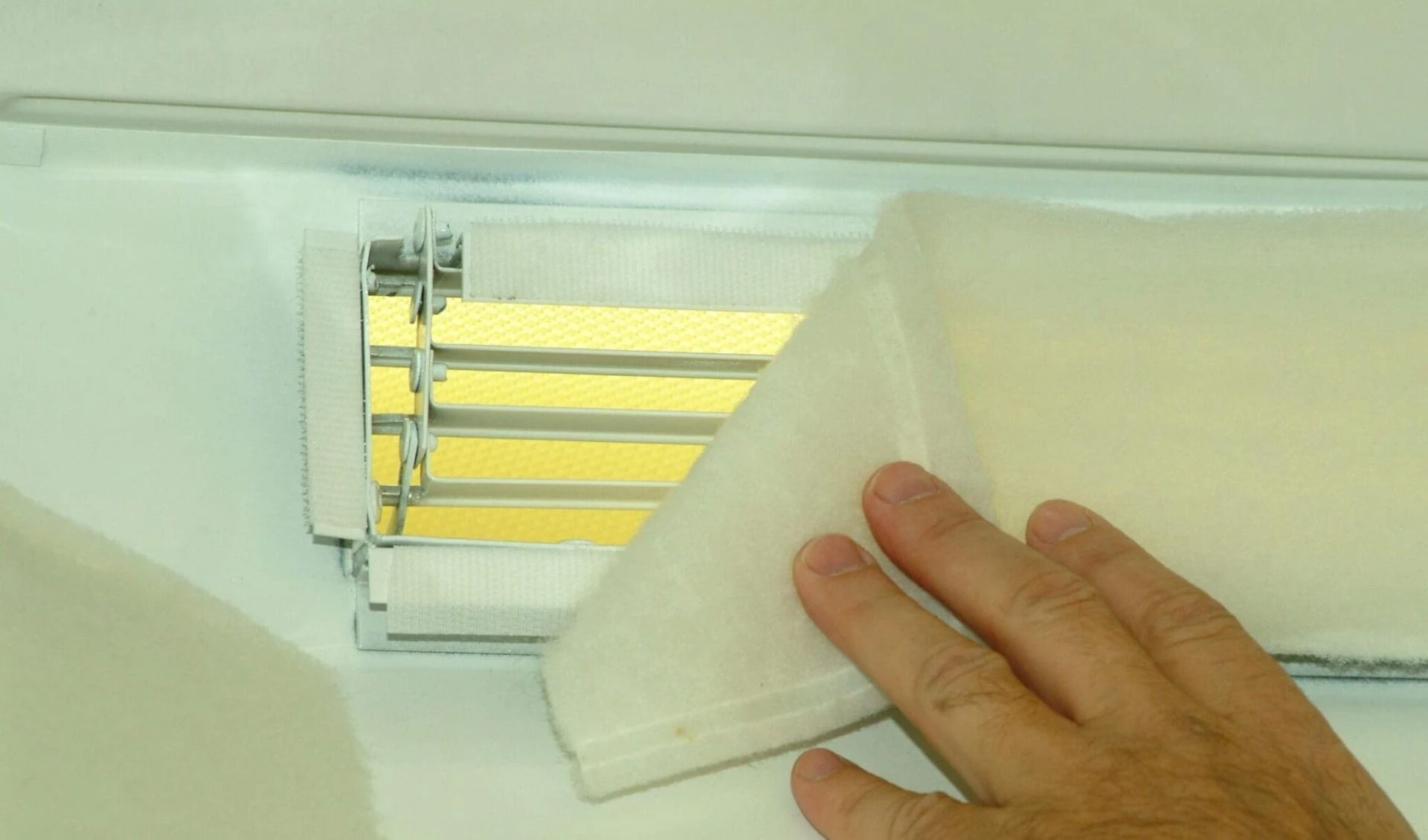
Installation is typically straightforward, requiring minimal intervention in existing HVAC infrastructure. This makes them an ideal retrofit option for businesses looking to enhance indoor comfort without major renovation or investment.
Conclusion
Creating a comfortable, consistent, and healthy environment in commercial buildings is essential—and air vent diverters and deflectors are a key component in achieving this. By managing airflow direction effectively, these tools help eliminate discomfort, promote cleaner air, and support the overall efficiency of HVAC systems.
Whether the goal is to boost productivity or reduce energy use, these additions provide an intelligent solution to a widespread challenge in commercial indoor climate control.

























Sign in to leave a comment.