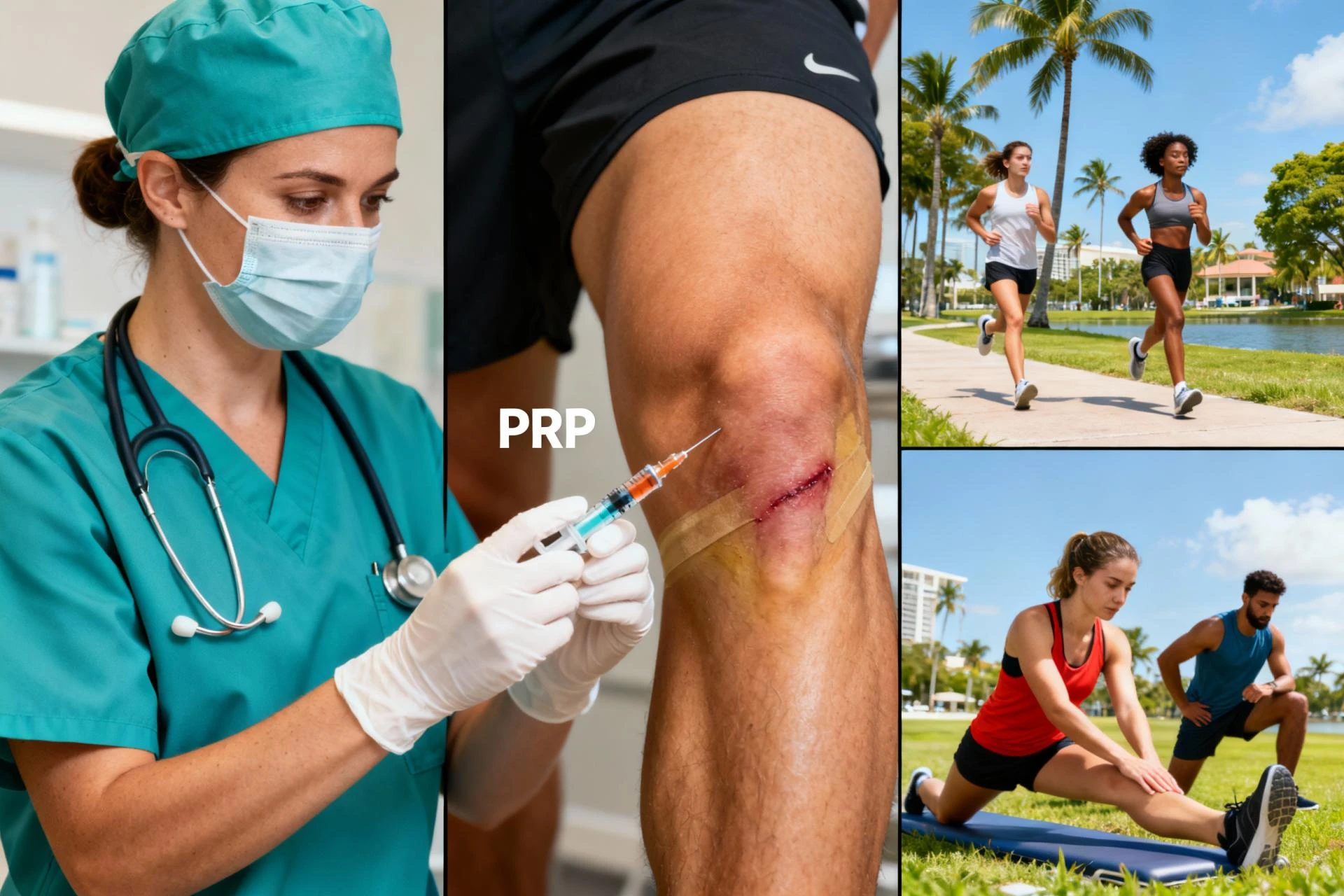

Regenerative injections, especially platelet-rich plasma (PRP) therapy, are transforming how knee and sports injuries are treated in Fort Lauderdale. These innovative treatments leverage the body’s own healing mechanisms, providing a less invasive, natural alternative to surgery and long recovery times.
Regenerative injections, especially platelet-rich plasma (PRP) therapy, are transforming how knee and sports injuries are treated in Fort Lauderdale. These innovative treatments leverage the body’s own healing mechanisms, providing a less invasive, natural alternative to surgery and long recovery times.
What Are Regenerative Injections?
Regenerative injections encompass therapies like PRP, stem cell injection, and exosome therapy that help repair and regenerate tissues. PRP is the most widely used: it involves drawing a small amount of the patient’s blood, processing it in a centrifuge to isolate the platelet-rich plasma, and then precisely injecting it into the affected area, such as a joint or tendon. Platelets contain powerful growth factors that accelerate healing, reduce inflammation, and stimulate regeneration of damaged tissues.
Why Are These Injections Popular in Sports Medicine?
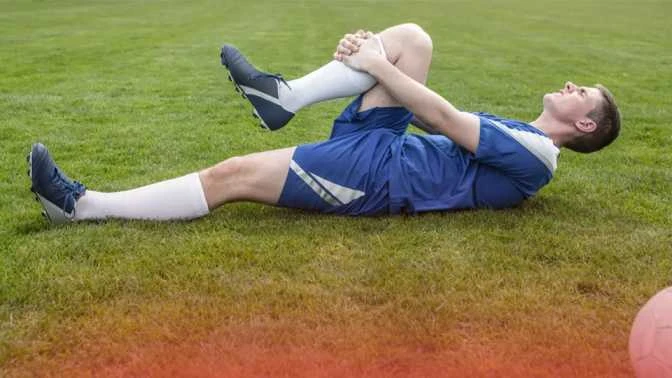
Sports injuries and chronic orthopedic conditions—like ligament sprains, meniscal tears, tendonitis, and cartilage degeneration—can be slow to heal with conventional methods alone. Regenerative approaches address this by actively promoting tissue recovery. In Fort Lauderdale’s active community, PRP injection for sports injury has become a sought-after option for both amateur and professional athletes who want a quicker, more natural return to play.
How PRP Works for Knee Pain
For many patients with osteoarthritis, chronic knee pain, or acute injury, a PRP injection for knee pain offers a minimally invasive solution. The highly concentrated platelets and growth proteins are injected directly into the knee joint, where they trigger biological repair processes. This can result in:
- Reduced pain and inflammation
- Improved joint function and mobility
- Slower progression of cartilage damage
- Possible delay of more aggressive interventions, like joint replacement surgery
Evidence suggests the earlier PRP therapy is started, especially for mild to moderate osteoarthritis or soft tissue injuries, the better the outcomes.
Optimizing Recovery from Sports Injuries
A single PRP injection for sports injury—such as muscle strains, ligament sprains, or tendon injuries—can accelerate return to performance in many athletes. Studies show that PRP therapy is most effective for mild-to-moderate injuries that haven’t responded well to rest, physical therapy, or basic medical care. Athletes with acute injuries have reported faster healing and earlier return to activity than those managed with standard care alone.
However, some chronic or severe conditions (including advanced joint degeneration or repetitive strain injuries) may require a series of PRP injections—and supplemental rehabilitation—for optimal results.
What to Expect from the Procedure
The process is simple and typically performed in-office:
- A small sample of your blood is drawn and spun in a centrifuge.
- Platelet-rich plasma is separated and prepared for injection.
- Under ultrasound or image guidance, the PRP is injected into the targeted area to maximize precision and effectiveness.
Most sessions last less than an hour, and patients may go home the same day. Discomfort is usually mild and short-lived; strenuous exercise should be avoided for several days post-injection.
Advantages Over Traditional Treatments
- Minimally invasive: No incisions, stitches, or hospital stays required.
- Low risk: Uses the patient’s own blood, so there’s a minimal chance of infection or allergic reaction.
- Natural repair: Encourages biological healing over masking symptoms with medication or undergoing surgery.
- Reduced downtime: Especially in cases of PRP injection for sports injury, many patients resume light activity sooner than after surgical intervention.
Who Is a Good Candidate?
Ideal candidates for PRP and regenerative injections include:
- Athletes or active individuals with acute sports injuries not responding to standard care
- Patients with early or moderate knee osteoarthritis
- Individuals who want to delay or avoid knee replacement surgery
- Those without severe bleeding disorders or active infections in the affected area
Limitations and Considerations
While results are promising, not every patient or injury type will respond equally to PRP. Chronic, advanced, or repeatedly re-injured tissues may not heal fully with regenerative injections alone. Realistic expectations, ongoing rehabilitation, and occasional repeat injections are sometimes necessary.
Patients in Fort Lauderdale are encouraged to consult orthopedic providers experienced in both conventional and regenerative treatments to determine the right course of care.
Other Regenerative Solutions
In addition to PRP, local clinics offer stem cell and exosome therapies. These treatments use stem cells or tiny communication vesicles to further enhance the body’s ability to heal bone, cartilage, muscle, and connective tissue. While stem cell therapies remain mostly experimental and regulated, they may be an option for complex or refractory injuries.
Takeaway: The Future of Sports and Joint Care
Regenerative injections, particularly PRP, are changing the way knee pain and sports injuries are managed in Fort Lauderdale. By harnessing your own biology, treatments like PRP injection for knee pain and PRP injection for sports injury help patients regain function, reduce pain, and get back to active living—with less disruption and fewer risks than traditional surgery. Always consult a qualified sports medicine or orthopedic expert to explore your options and tailor treatment to your needs.
























Sign in to leave a comment.