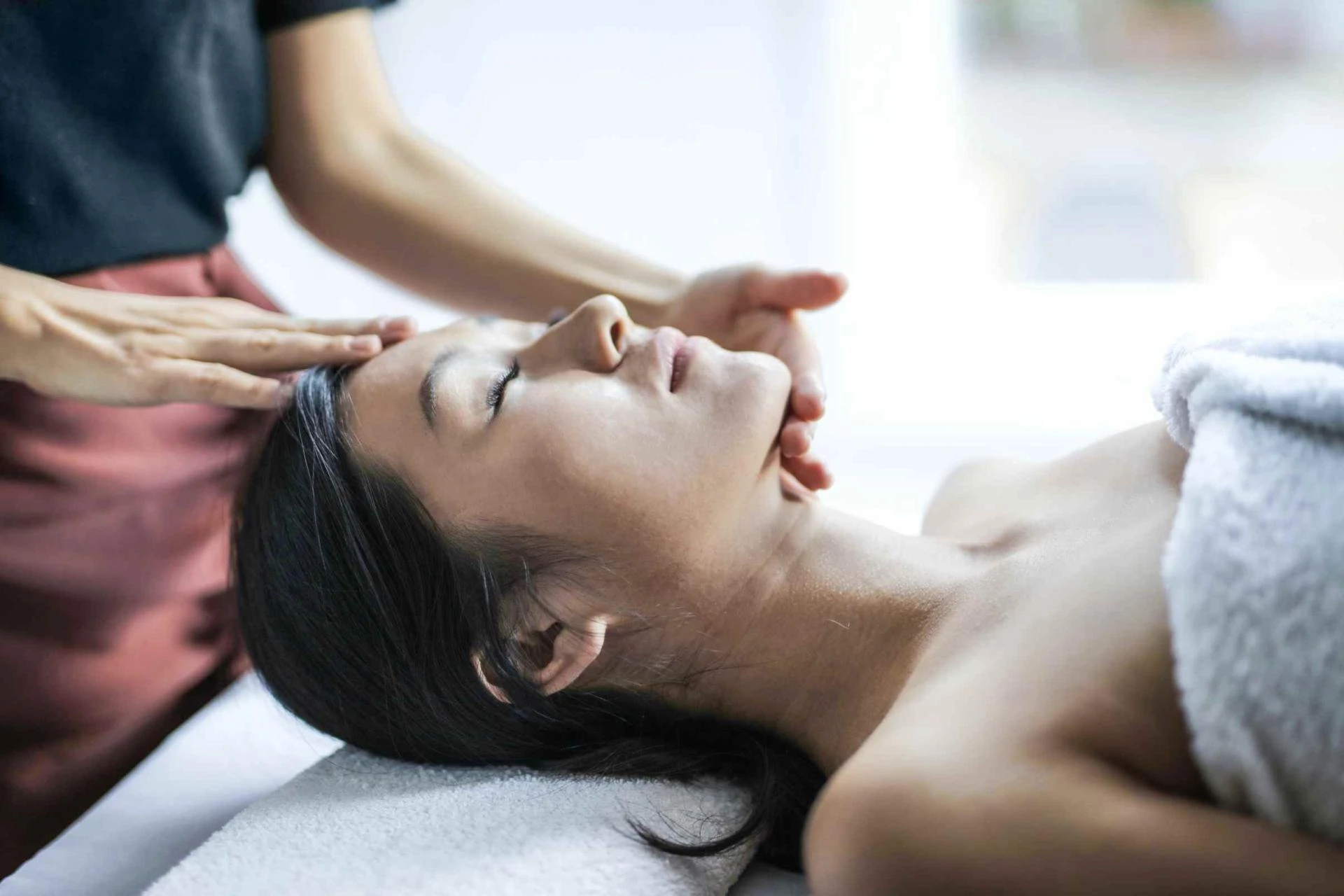

For most of us, getting a massage is an occasional treat to relax and unwind from the day-to-day. However, the benefits of massage go deeper than that. In fact, regular massage therapy can improve mental health.
A growing body of research is supporting the positive impact of massage on the mind. Today, massage is being offered more frequently as part of a holistic treatment plan for all types of health issues including chronic pain and issues related to mental health.
Here are just some of the mental health benefits of massage and why you should consider incorporating massage therapy in your mental health treatment plan.
Massage produces depression-fighting hormones
If you are dealing with depression, even simple daily tasks like waking up or showering can feel insurmountable. With that comes the isolating feelings of loneliness, as depression can lead to social disengagement. In the US alone, almost half of all adults will experience a mental health issue in ther lifetime.
Massage therapy can be a natural way to alleviate depression symptoms by increasing the amount of “happy hormones” in the body. The act of massage produces serotonin and dopamine, the happy chemicals associated with the brain’s reward system and producing pleasurable sensations. In those individuals with depression, these hormones are often implicated, leading to low moods and the inability to process one’s emotions. Therefore, massage can help to fight depressive like behaviours.
Another benefit of massage is that the hormone Oxycotin – the chemical released when we are touched or cuddled – is released, giving that warm, fuzzy feeling which can help improve feelings of loneliness and isolation.
Massage therapy can relieve stress
One of the ways regular massage may help boost mental health is by lowering the stress hormone, cortisol. When we are stressed, our bodies go into “fight or flight” mode which is a normal, healthy response to threats. The problem is, when we’re stressed due to work issues, challenges at home or busy timetables, our fight or flight mode is always switched on – resulting in all those uncomfortable sensations such as a racing heart, headaches, joint pain and illness.
Massage has been shown to reduce cortisol by up to 30%, helping to fight off stress and built up tension in the body.
Feeling stressed and burnt out? Book in a massage. Many massage therapists have set up a massage business at home to accommodate local clients who may not have access or the means to go to a massage practice or day spa. A lot of these therapists also offer a mobile service where they can visit you at your work or own home.
Massage eases anxiety
Anxiety is endemic in this modern world, particularly in the past couple of years as the relentless spread of COVID-19 has sparked widespread panic, worry and uncertainty.
Massage can provide a distraction as a form of mindfulness to help people who are anxious feel more grounded and calm. As soon as you walk into a massage room, you instantly feel a sense of relief thanks to the dimly lit space, soft music and calming scents. While you’re getting a massage, you are benefitting from the relaxation it provides you, helping you to enter a more meditative state – which studies suggest can aid psychological health.
In addition to the psychological benefits of massage, you can also experience reduced anxiety in the body which comes in the form of joint pain, neck and jaw tension and tightness in the stomach. The gentle, even strokes will help relax these areas to rid of any pain and discomfort.
Massage can help treat Seasonal Affective Disorder (SAD)
Seasonal depression is recognised as a Major Depressional Disorder with Seasonal Pattern. It is common in the winter season when there are shorter days and less sunlight, however it can also occur during holiday seasons like Christmas time.
The symptoms of SAD are virtually the same as clinical depression and anxiety; leaving many people depressed, lethargic and anxious. Studies have shown that massage therapy can improve mood as well as reset cicadian rhythms; leading to better sleep and increased energy.
People looking to overcome seasonal depression can find relief by incorporating regular massage over the course of the winter or holiday season in conjunction with their health maintenance routine.
Conclusion
Massage therapy may be a viable option for individuals seeking to relieve depression, stress and anxiety. In most cases, mental health issues such as these cause secondary issues in the body including tension and pain which can also be helped through regular massage. That’s because massage focuses on that mind-body connection which acknowledges that tension in the mind can translate into tension within the body. The decision to incorporate massage in your health regime should be discussed with your health care professional, as it is best used as part of a holistic treatment plan which includes other coping messages including counselling, exercise, medication and self-help strategies.










Sign in to leave a comment.