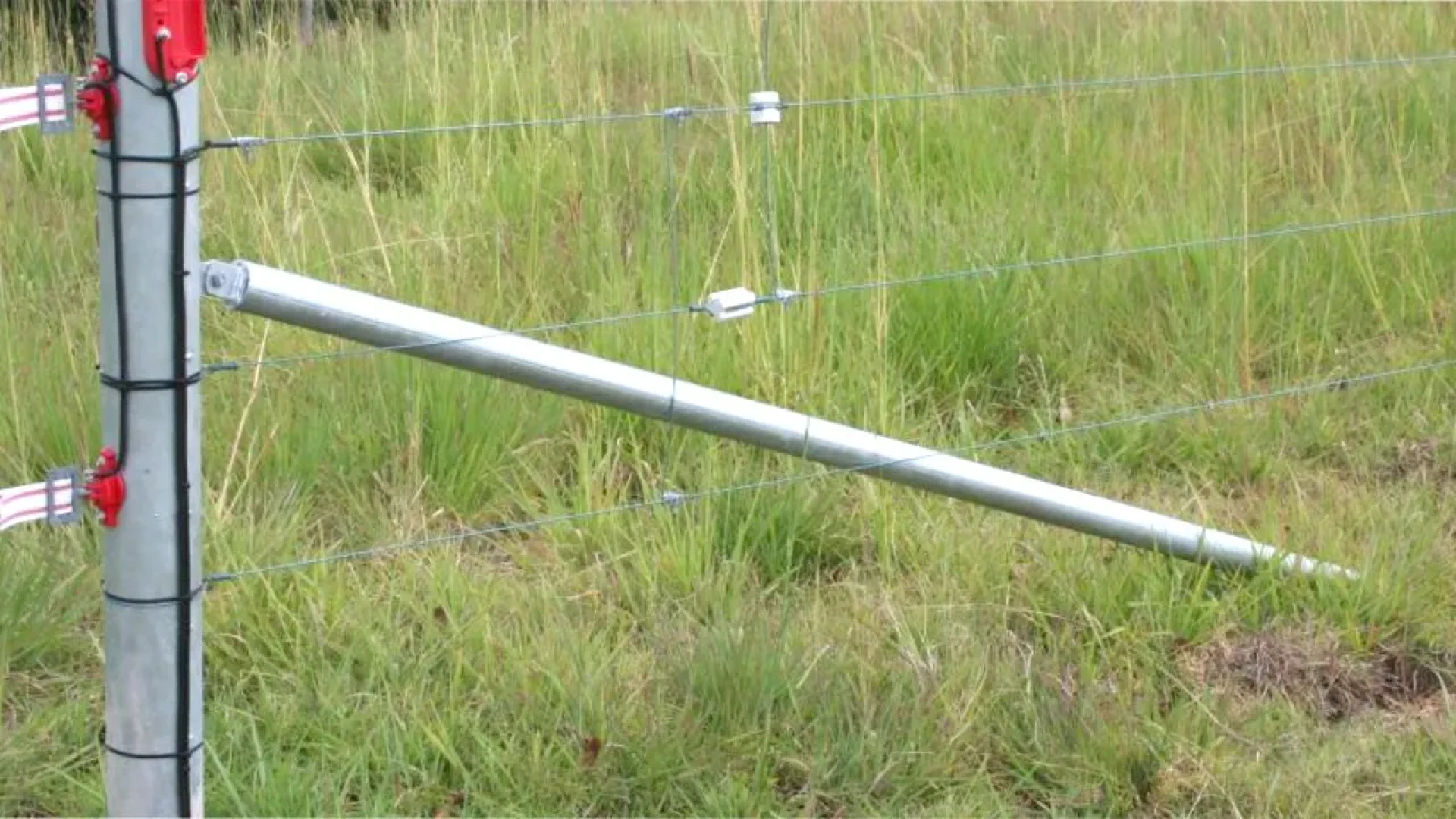

When it comes to constructing a fence that stands the test of time, corner strength is often the deciding factor between long-lasting durability and early failure. At the core of that strength lies the end assembly, a structural component that anchors the entire fence line. Whether used in agricultural, residential, or commercial fencing, the integrity of this section defines how well the fence maintains tension and alignment over the years.
Understanding how reinforcements improve box design for corner durability can help property owners and contractors build stronger, more reliable fencing systems that require less maintenance and deliver better performance.
Understanding the Purpose of an End Assembly
The end assembly serves as the foundation point for a fence line. It anchors the wires, absorbs tension, and prevents the structure from warping or leaning over time. Typically located at the corners, gate openings, or terminal points, it ensures the rest of the fence stays aligned and steady under high tension.
A well-engineered end assembly includes:
- Strong vertical posts, set deep into the ground.
- Bracing components such as horizontal or diagonal stays.
- Firm connections that distribute load evenly across the structure.
Without proper reinforcement, the end of a fence becomes the most vulnerable area - especially in corners where forces converge. Reinforcing the box design is essential to keep it rigid, secure, and long-lasting.
The Core Role of Reinforcement in Box Design
The box end design is characterised by its rectangular structure - a combination of posts and stays that work together to resist movement. Reinforcement within this setup enhances strength and stability by spreading out the tension created by strained wire across multiple points.
Several factors contribute to a strong box design:
- Equal load distribution: Reinforcements ensure pressure isn’t concentrated on a single post, preventing bending or displacement.
- Reduced flexing: Additional supports lock the structure, keeping it from twisting or collapsing inward.
- Long-term reliability: Well-built corners can withstand environmental stress, soil movement, and livestock pressure for many years.
Reinforced box structures create a self-supporting system - each corner acts as a solid anchor that keeps the entire fence straight and resilient, even in challenging terrain.
Different Corner Configurations and Their Performance
Before deciding on a reinforcement approach, it helps to understand the different types of corner assemblies used in modern fencing:
H-Brace Design
A simple configuration with two vertical posts joined by a horizontal stay. It’s effective for short stretches but requires additional support for long fence runs that need heavy tension.
Diagonal Brace Design
This system uses a diagonal stay between two posts to counter pulling forces. While efficient for longer runs, it can create uneven stress points without a solid base structure.
Box Design
The box setup connects posts both horizontally and diagonally, forming a closed structure that locks in all directions. It’s known for exceptional stability, making it the go-to choice for professional installations and long-lasting results.
Among these, the reinforced box design provides superior corner durability, as it absorbs both vertical and horizontal stress effectively.
Integrating a Fence Stay Assembly for Added Stability
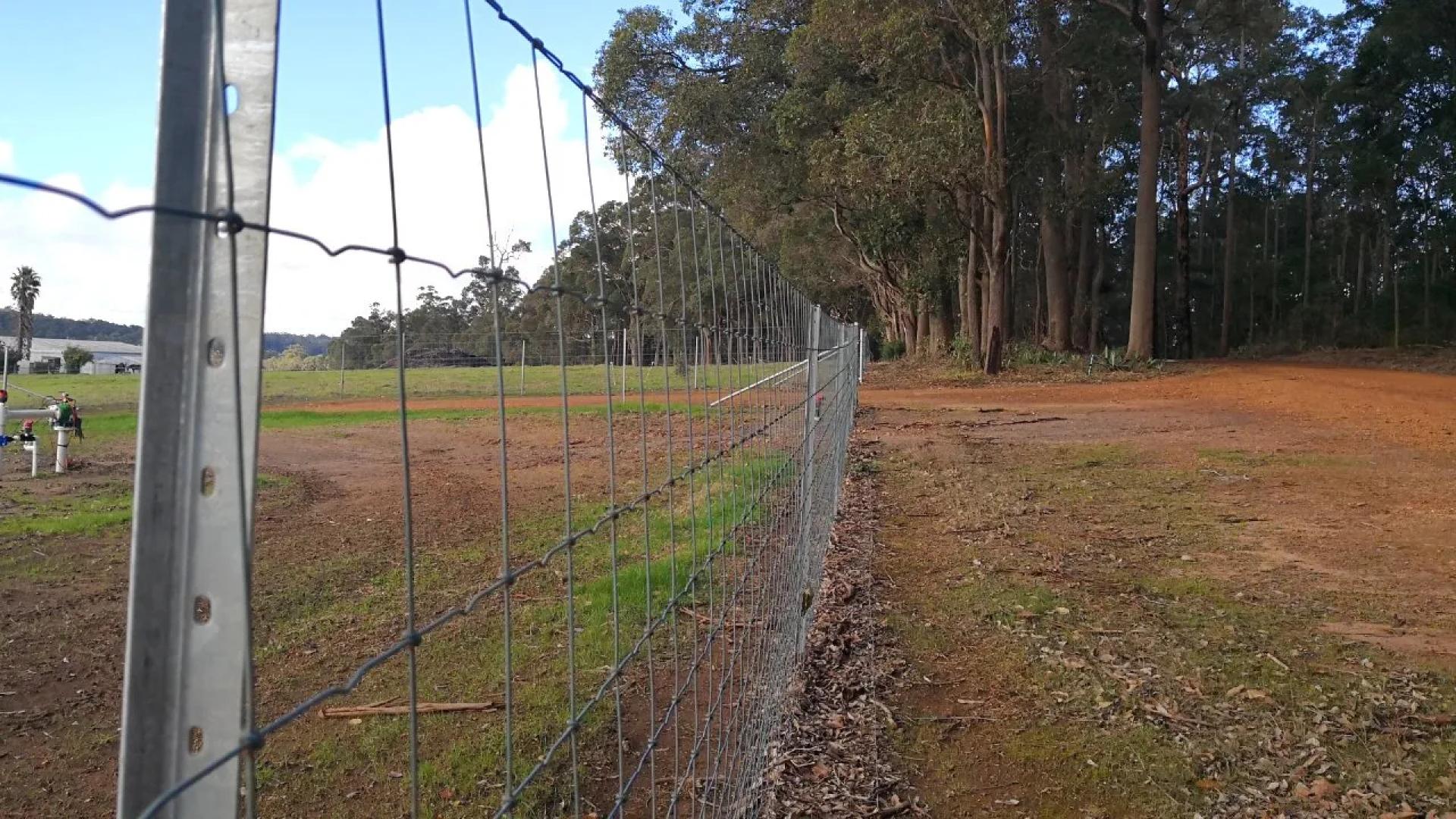
While corner reinforcements form the base of the structure, integrating a fence stay assembly enhances the tension retention across the full length of the fence. A stay assembly keeps the wires aligned, distributes the load evenly, and helps prevent sagging caused by strain or environmental changes.
When a fence stay assembly works alongside a sturdy box design, it forms a cohesive system where each section supports the next. The result is a balanced tension across the entire fence line, which reduces the likelihood of corner post movement or wire loosening over time.
For installations on uneven or shifting ground, an integrated fence stay assembly can significantly extend the fence’s usable lifespan by reinforcing the areas most affected by external stress.
Materials and Construction Techniques That Strengthen Corners
The performance of a reinforced box design depends greatly on material quality and installation precision. High-grade steel posts, galvanised coatings, and weather-resistant fittings are key to achieving a structure that’s both strong and low-maintenance.
Key techniques include:
- Deep post anchoring: Embedding posts firmly into the ground enhances stability and prevents leaning.
- Accurate bracing angles: Proper alignment between horizontal and diagonal components ensures optimal tension balance.
- Consistent wire attachment: Equal spacing and tensioning maintain the structural integrity of the entire system.
These construction details not only reinforce the end structure but also make future maintenance easier. Once installed correctly, a reinforced corner allows the rest of the fence to perform seamlessly for years.
Common Mistakes to Avoid During Installation
Even the best materials can fail if installation practices are rushed or inconsistent. Some common issues include:
- Setting corner posts too shallow, leading to gradual shifting.
- Using mismatched materials that expand or contract at different rates.
- Over-tightening wire too quickly, causing structural distortion.
- Ignoring soil conditions, leading to poor drainage and post decay.
By addressing these early on, installers can ensure the reinforced box design performs as intended - offering dependable tension management and unbeatable corner durability.
Maintenance Tips for Long-Term Fence Integrity
Once constructed, a reinforced corner assembly requires periodic inspection to stay in top condition. Regular maintenance should include:
- Checking wire tension and re-tightening when necessary.
- Inspecting brackets, bolts, and stay connections for corrosion or loosening.
- Ensuring water runoff doesn’t accumulate around posts.
- Repainting or recoating metal surfaces annually in high-moisture zones.
These straightforward measures help preserve both the structural and visual quality of a well-built fence.
Why Reinforced Corners Are Worth the Investment
While reinforced designs may take slightly more time and materials upfront, they pay off through longer fence life, fewer repairs, and improved aesthetics. Strong corners protect the rest of the fence from misalignment and significantly reduce long-term costs.
Farmers, property owners, and contractors who prioritise reinforced box design often find that these small details create fences that perform reliably year after year, even under constant weather and animal pressure.
Choosing Reliable Reinforcement Solutions
Building a durable fence begins with sturdy corner engineering. Reinforced box designs enhance tension control, prevent movement, and provide unmatched stability at the points where it matters most. For those seeking systems designed for Australian conditions, QuikFence offers solutions that deliver precision, strength, and longevity, ensuring every end assembly and fence stay assembly performs to professional standards.

Sign in to leave a comment.