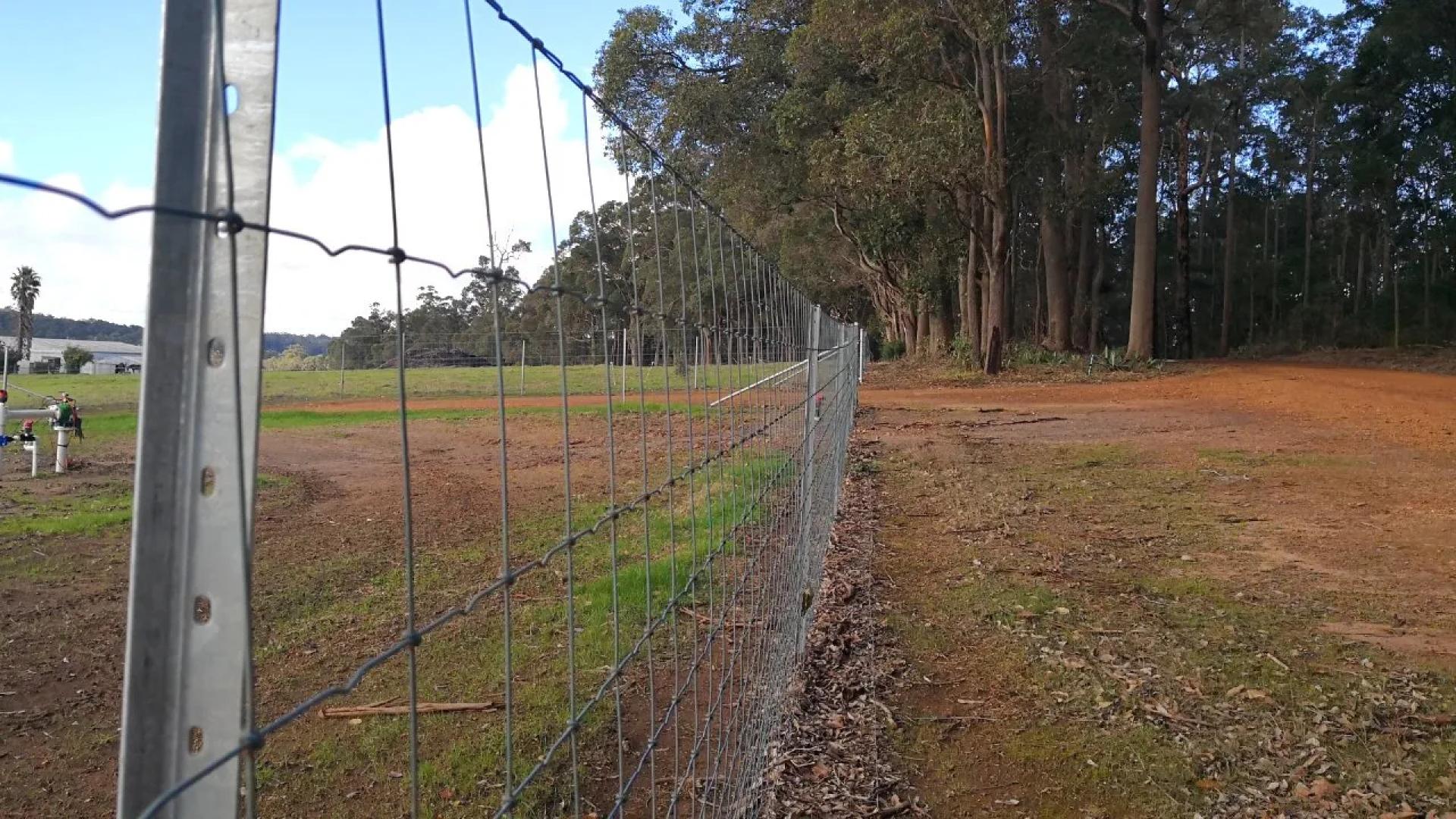
Anyone who’s spent a day fencing under the Australian sun knows it isn’t light work. The land shifts from rocky ridges to soft sand without much warning, and every stretch of ground demands something different. That’s where farm fencing machines step in. They take a job that once chewed through time and energy and turns it into something far more manageable. These machines are built to adapt. And that matters when your paddocks don’t look the same from one end to the other.
Understanding What a Fencing Machine Can Do
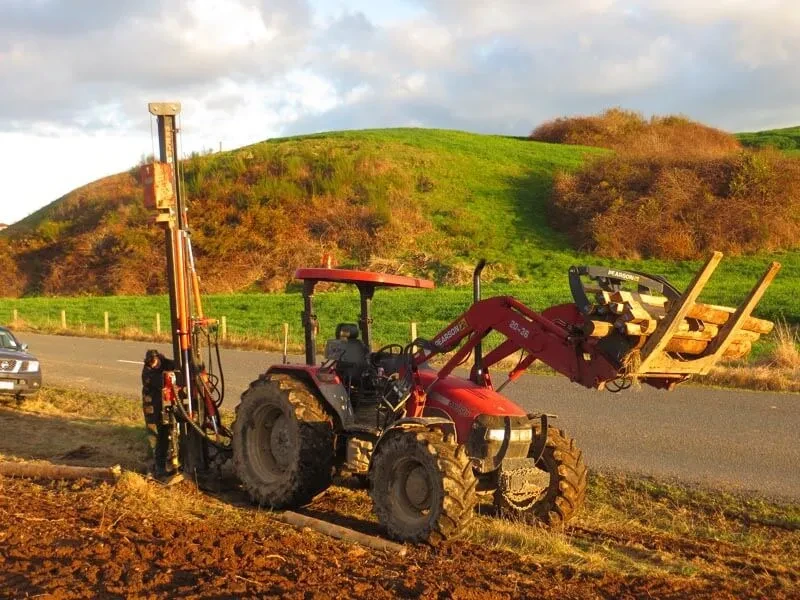
A modern fencing machine handles the heavy lifting. It drives posts, tensions wire, and keeps the whole process steady even when the ground isn’t cooperating. Australian farms are rarely simple, so the machine has to be flexible. Hydraulic post drivers, augers, and wire strainers work together to deal with whatever the terrain throws at them. The mechanics behind them deliver enough force to punch through tough soils while still allowing fine control on uneven or soft ground. Sometimes the machine almost feels like it knows what it’s stepping into.
Adapting to Rocky and Compact Soils
Rocky country is a classic challenge. In places where the soil is packed tight and scattered with stone, driving posts by hand is slow and frustrating. Fencing machines use high torque hydraulic drivers that hammer posts in with a lot more confidence. When the resistance changes, the operator tweaks the speed or the force. Quick adjustments. Better progress. Some machines use interchangeable heads or post tips that cut through compact soil, creating a cleaner path so the post sits straight. It keeps the job moving when the ground tries to fight back.
Working in Sandy and Loose Soil
Then there’s the opposite problem. Sandy paddocks where posts tend to lean or shift after a bit of wind. Here, machines switch tactics. They often drill pilot holes using an auger to reach firmer layers underneath the loose surface. It gives the post something solid to anchor into. Stabilizing clamps hold the post steady while it sets, stopping that annoying wobble you usually see in soft ground. Small steps, but they make the fence last a lot longer.
Navigating Slopes and Uneven Terrain
Hilly properties bring their own headaches. Trying to keep a fence line straight while the machine sits on uneven ground isn’t easy. Many fencing machines solve this with hydraulic leveling systems and adjustable frames. The operator can tilt or raise parts of the machine so the post driver stays vertical even if the wheels don’t. It’s a lifesaver on rolling hills where every few metres feels slightly off. The fence ends up looking clean and consistent despite the changes in the land.
Efficiency on Flat and Open Land
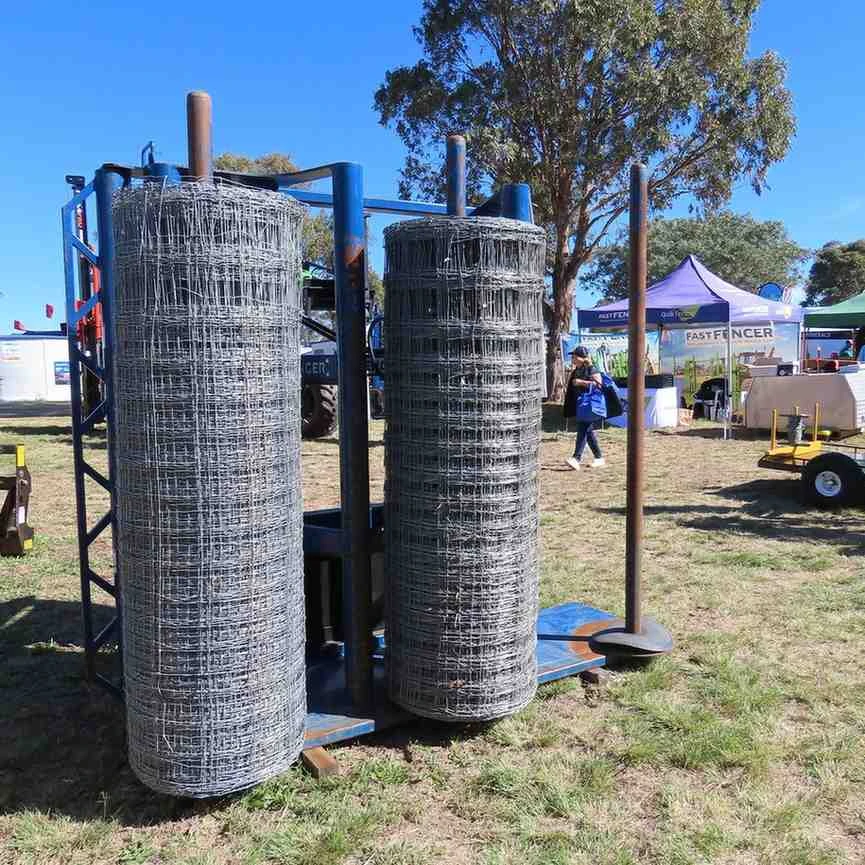
Flat land is the easy part. Machines can run faster, cover long paddock stretches, and roll out wire in neat, tensioned lines. Integrated wire strainers tighten the wire automatically as posts go in. It keeps everything uniform. Farms with wide open country benefit most here, shaving hours off jobs that would’ve taken days not long ago.
Tips for Getting the Best Out of Your Fencing Machine
A little planning helps. Walk the site first. Check the soil, the slopes, the hidden surprises. Adjust the post driver settings to match the ground. Use augers in loose soil. Engage leveling systems when the land dips or tilts. And keep the machine serviced so it’s ready for whatever terrain you throw at it. These steps sound small, but they save plenty of time in the long run.
Choosing the Right Equipment
A reliable fencing machine changes the whole fencing experience. It cuts labour, boosts accuracy, and delivers fences that stay put. Many Australian farms deal with harsh and mixed terrain, so choosing equipment that’s built for those conditions is important. QuikFence builds machines with terrain-ready features, strong hydraulic controls, and tough construction suited for Australian farms. Investing in the right machine helps your fences hold up better, keeps livestock secure, and reduces the grind that used to come with every fencing job.



























Sign in to leave a comment.