

Industrial systems cannot afford delays once they reach the final stages of commissioning. Piping networks, especially in power plants, refineries, and petrochemical facilities, often accumulate debris during construction. This includes mill scale, welding residue, and rust. If this material stays inside the lines, it can damage turbines, valves, and instruments during the first live run. Steam blowing services provide a trusted method for removing these particles before the system starts. A reliable service helps commissioning engineers avoid costly setbacks and ensures the system operates cleanly from the start.
Why Steam Blowing Services Matter for Timely Startup?
Commissioning delays often begin with an assumption that pipelines are clean enough. But visible cleanliness does not always mean a system is ready. Undetected residues can loosen under full pressure and enter critical machinery. This issue becomes visible only when components malfunction or when crews shut down systems to investigate. When steam services are not planned or executed correctly, these problems surface quickly. Projects then face rework, budget overruns, and equipment failure that could have been prevented.
Reliable Preparation Sets the Standard
Effective steam blowing begins with a structured approach. Skilled service providers study the system layout in detail. They map out all pipe runs, identify high-risk areas, and define flow rates that match the system’s characteristics. This allows them to adjust steam parameters to each application. The process must meet the facility’s unique needs. A refinery line may require different velocity and temperature conditions than a turbine inlet line. Without this kind of detailed planning, teams risk leaving debris in sections that later cause disruptions.
Execution Involves Measured Force and Ongoing Checks
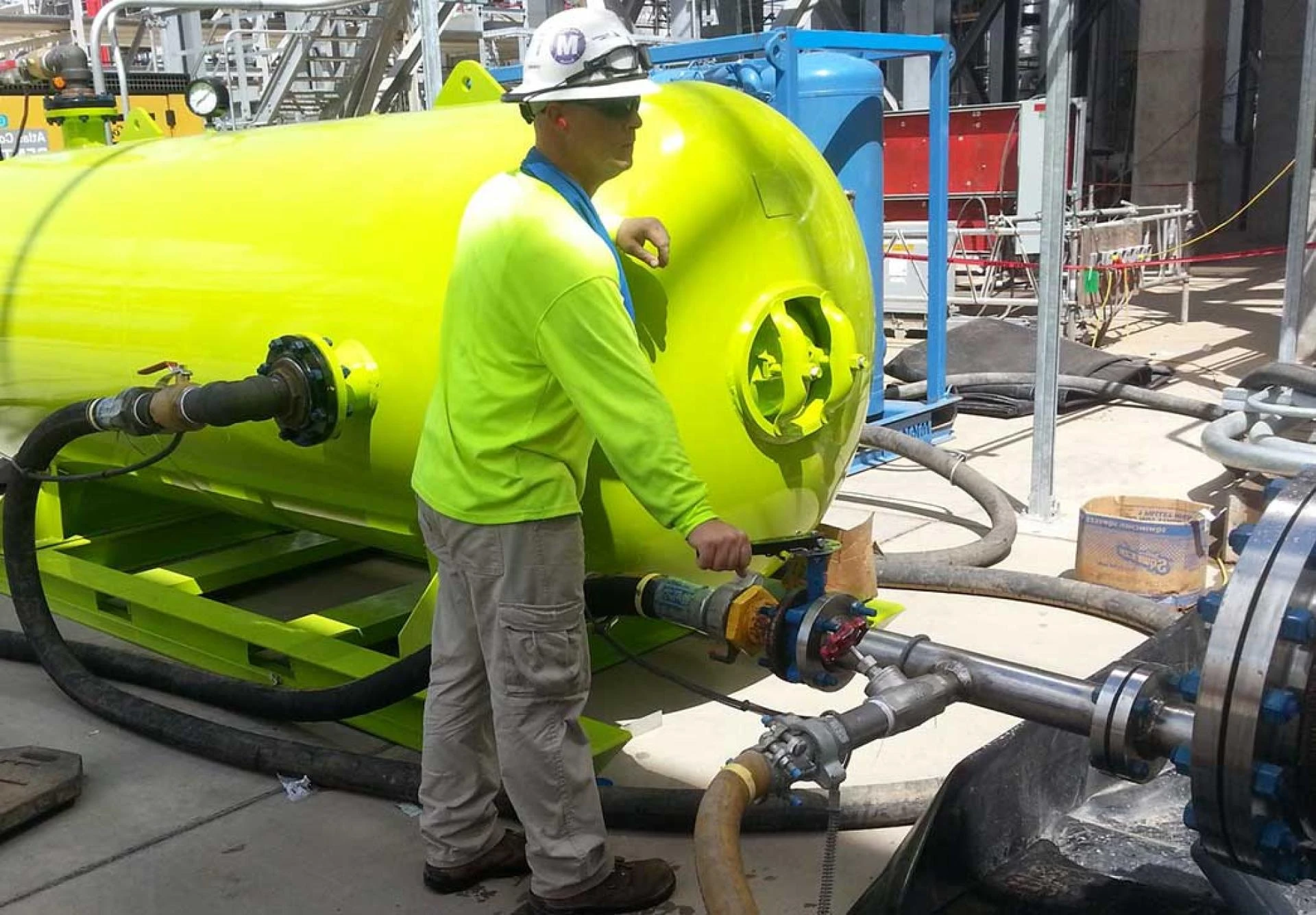
Steam cleaning only works when teams apply the right amount of energy to remove loose material. Crews must control pressure, flow rate, and temperature based on the system’s tolerance. A controlled sequence of blows ensures that particles dislodge without damaging pipe walls or insulation. At every step, technicians check target plates, monitor thermal indicators, and document performance. Each cycle confirms whether the cleaning process has removed the intended contaminants or whether further action is needed before handover.
Steps That Lead to Verified Cleanliness
Experienced teams providing steam blowing services follow a consistent cleaning process that combines safety with efficiency. The following actions help ensure that each system enters service in a clean state.
● Review system drawings to define flow paths and risk points.
● Calculate required pressure and velocity based on the material type and size.
● Install temporary piping setups to manage safe discharge and backpressure.
● Conduct repeated blows and confirm particle removal using collection methods.
Each of these steps helps the facility meet cleanliness standards without compromise or guesswork.
Results That Protect Project Schedules
Steam blowing plays a direct role in supporting timely commissioning. Removing debris before live flow begins eliminates the risk of shutdowns caused by blocked valves or damaged components. Project teams benefit from improved confidence in system reliability and reduced inspection delays. The results are not only cleaner lines but smoother handovers, safer startups, and fewer post-commissioning issues.
● Prevents material from entering and damaging sensitive equipment.
● Supports compliance by meeting pre-commissioning cleanliness requirements.
● Reduces the chances of unplanned maintenance shortly after startup.
Reliable services give teams a clear picture of system readiness and minimize unknowns during critical stages.



























Sign in to leave a comment.